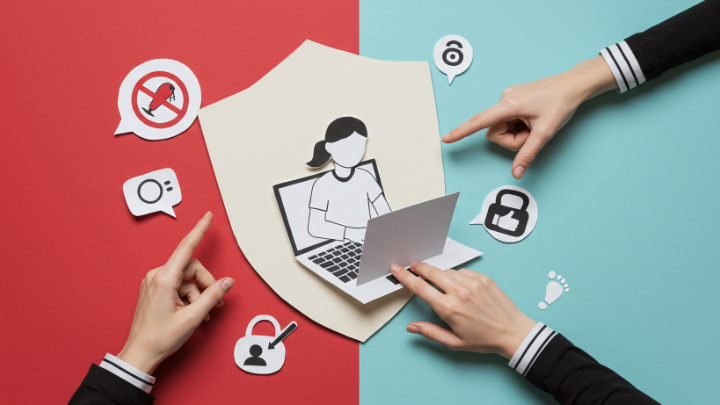
Here’s something that should concern you: cybercriminals have evolved far beyond the simple credit card theft schemes of yesterday. They’re hunting for something bigger now—your complete digital identity. Between early 2024 and the end of that year, vishing attacks skyrocketed by an eye-watering 442%. Doxxing? It’s wrecking people’s lives every single day.
Think about it. Your personal details are sprinkled all over the internet like a trail of digital breadcrumbs. And criminals? They’ve become experts at following that trail straight to you. In this piece, we’re breaking down battle-tested methods to protect personal data online and eliminate these dangers before they obliterate your financial stability, your reputation, or your ability to sleep at night.
Understanding Modern Privacy Threats to Your Personal Data
The scale of these threats is genuinely alarming. But here’s what matters more: understanding exactly how vishing and doxxing actually work, and why they’re getting harder to spot with each passing month.
Vishing Attacks and Voice-Based Social Engineering
Building solid defenses means first knowing your enemy’s playbook—starting with the attack method that catches most folks completely unprepared: vishing. This isn’t the clumsy telemarketing nonsense your grandmother dealt with. Today’s vishers deploy AI-generated voices that mimic humans with disturbing accuracy. They spoof caller IDs so perfectly that your phone shows legitimate-looking sources. Their social engineering techniques? Sophisticated enough to impress a trained psychologist.
Picture this: someone calls claiming they’re from your bank, the IRS, or maybe tech support. In 2023, U.S. victims lost an average of $5,807—that’s a 136% jump from the previous year. The fake urgency they manufacture—”We’re freezing your account in 30 minutes unless you act now!”—bypasses your logical thinking completely.
Doxxing Tactics and Their Devastating Consequences
Vishing manipulates your trust through phone conversations. Doxxing works differently—it turns your publicly accessible information into a weapon pointed directly at you. Doxxers gather fragments from social media platforms, public records, leaked databases, and data broker sites. They assemble a frighteningly complete picture of your existence: home address, phone number, relatives’ names, employer, and daily patterns.
What happens next? Relentless harassment. Swatting incidents that endanger your family. Job termination. Real, physical threats to your safety. Before you ever click a suspicious message or unknown link, you need to verify is this link safe using security tools designed to scan for malicious content instantly. Many doxxing victims struggle for years to recover from the psychological damage.
Vishing Prevention Tips That Actually Work
Recognizing these threats matters, sure. But awareness alone won’t save you—you need concrete defensive tactics that actively shut down vishing attacks before they gain traction.
Recognize Voice Phishing Red Flags Instantly
Your frontline defense begins with identifying warning signs before you’ve revealed even one piece of sensitive information. Real organizations never call demanding instant action with threats attached. They won’t request passwords, PINs, or Social Security numbers during phone calls. They certainly won’t become hostile when you mention verifying their legitimacy.
Pay attention to emotional manipulation techniques, manufactured fear, artificial urgency, and exaggerated excitement. These aren’t accidents; they’re calculated tactics. When someone insists you’ve won a prize or claims there’s an emergency involving your account, that’s your cue to hang up immediately.
Essential Call Screening Strategies
After learning to spot suspicious calls, your next move involves implementing filtering systems that intercept threats before they ever reach your ear. Modern smartphones pack surprisingly powerful built-in defenses. Activate spam protection features on your iPhone or Android device, and they’ll automatically flag dubious numbers. Unknown caller? Don’t answer it. Send it to voicemail instead.
How to Avoid Doxxing and Protect Your Digital Footprint
These vishing defenses handle phone-based threats effectively. However, your personal information scattered across countless websites creates completely separate vulnerabilities that demand a strategic approach to contain.
Minimize Your Online Presence Strategically
Preventing doxxing starts with discovering exactly what personal information about you is currently visible to anyone with internet access. Google your own name. Search for your phone number and email address. The results will probably shock you. Data broker websites literally sell your information to anyone willing to pay their fees.
Doing it manually yourself is tedious—these companies deliberately make opting out as frustrating as possible. But it’s necessary if you’re genuinely committed to learning how to avoid doxxing effectively.
Social Media Privacy Configuration Best Practices
Data brokers are one problem. Your social media profiles present another—they’re essentially goldmines of personal details that need immediate privacy fortification. Lock everything down. Switch profiles to private mode. Strip away your phone number, email address, and location tags. Require approval before anyone can tag you in content.
Scroll through your posting history and purge anything revealing. That innocent check-in at your regular coffee spot? You just told stalkers where to find you and when. Birthday posts from friends? That’s identity verification data. Examine your friend’s or followers’ list critically—do you genuinely know every single person on there?
Protecting Your Physical Address and Phone Number
Beyond search results, your most sensitive information—physical address and phone number—demands specialized protection tactics that exceed standard privacy controls. Think about using a PO Box or virtual mailbox service for online purchases. Grab a VoIP number from Google Voice or similar platforms for website registrations.
If you maintain any public professional profile, establishing an LLC can shield your home address from property records. These approaches won’t render you invisible, but they’ll force attackers to invest significantly more effort in locating you.
Stop Identity Theft With Proactive Monitoring Systems
Even with your best prevention measures in place, determined attackers might still penetrate your defenses—which makes proactive monitoring systems your essential safety net for detecting theft before catastrophic damage accumulates.
Credit Monitoring and Freeze Protocols
The most immediate financial safeguard you can activate right now is locking down your credit to block unauthorized account creation attempts. Freezing your credit with all three bureaus—Equifax, Experian, and TransUnion—costs nothing and works remarkably well. While your credit remains frozen, nobody can open new accounts under your name. That includes you, by the way.
Establish fraud alerts as well. They force creditors to verify your identity before approving new accounts. Check your credit reports consistently for suspicious activity that might indicate someone is attempting to stop identity theft using your stolen identity.
Financial Account Security Measures
Credit monitoring helps, but your existing bank accounts and payment cards require their own specific security upgrades. Activate transaction alerts for every single purchase. Deploy virtual card numbers for online shopping—they’re disposable by design and can’t compromise your actual card details.
Most banking applications offer robust security features that users routinely ignore. Switch on biometric authentication. Establish withdrawal limits. Review your statements weekly rather than monthly. Catching fraud quickly makes it exponentially easier to resolve.
Creating Your Security Framework
Learning from an attack teaches brutal lessons—but you can skip that painful education by constructing a comprehensive, proactive security framework starting today.
Privacy-by-Design Approach
The most effective security framework begins with fundamentally transforming how you assess every digital interaction before surrendering information. Before entering your details anywhere, question: Does this website genuinely need this data? Could I substitute a disposable email address? Is there a privacy-focused alternative available?
Default to sharing minimal required information. Use separate emails for different purposes. Protect personal data online by approaching every data request with appropriate skepticism.
Multi-Factor Authentication Beyond SMS
SMS-based two-factor authentication beats nothing, but it’s vulnerable to SIM-swapping attacks that criminals execute regularly. Switch to authenticator apps like Authy or Google Authenticator instead. Even better, purchase hardware security keys like YubiKey. They’re virtually impossible to phish or compromise.
Activate MFA wherever it’s available. Yes, it adds minor friction. But you know what’s genuinely inconvenient? Recovering from identity theft that consumes months of your life and costs thousands of dollars.
Your Privacy Questions Answered
Can someone steal my identity just from a phone call?
Absolutely, without question. Vishers can extract sufficient information during a single conversation to compromise your accounts, particularly if they’ve already gathered some details through doxxing beforehand. Never disclose verification codes, passwords, or personal information during phone calls, regardless of who claims to be calling.
What should I do if I’ve shared information with a visher?
Contact your bank and credit card companies immediately. Change passwords across all accounts. Place fraud alerts with credit bureaus. Document everything, dates, times, and exactly what information you revealed. File reports with the FTC and local police. Time is critical here.
How do criminals get my personal information for vishing attacks?
They purchase it from data brokers, extract it from data breaches, scrape social media profiles, or mine public records. Sometimes they’ll initiate calls pretending to conduct surveys, gathering preliminary information they’ll weaponize later in more sophisticated targeted attacks against you specifically.
Taking Control of Your Digital Safety Today
Eliminating every risk is impossible. But here’s the good news: you don’t need to. Most attackers pursue easy targets who haven’t implemented basic vishing prevention tips or learned how to avoid doxxing through straightforward precautions. Following these strategies transforms you into a harder target than 90% of people.
Start with three immediate actions: freeze your credit, enable MFA on critical accounts, and audit what information about you appears in public searches. These steps alone will dramatically shrink your vulnerability to both vishing and doxxing attacks. Your digital identity deserves protection. Treat it like the valuable asset it genuinely is, because criminals certainly recognize its worth.