Maintaining a clean, healthy environment in schools is crucial to the well-being of students and staff. With the constant threat of illness, implementing effective strategies to prevent the spread of germs is more important than ever. Partnering with professional school cleaning services ensures that educational facilities maintain high standards of cleanliness. Big League Clean, a veteran-owned company, specializes in comprehensive cleaning solutions tailored for schools and maintains hygienic learning environments. Serving areas such as Denver, Colorado, and San Diego, California, Big League Clean provides tailored solutions to meet the unique needs of schools, ensuring a safe and healthy environment for students and staff.
Understanding Germ Transmission in Schools
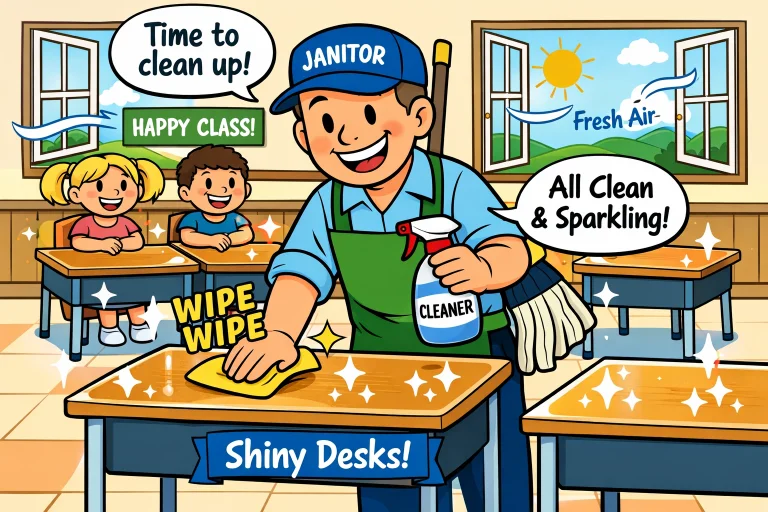
Schools are bustling environments where germs can easily spread through direct contact and shared surfaces. High-touch areas such as desks, doorknobs, and computer keyboards are common sources of contamination. According to the Centers for Disease Control and Prevention (CDC), effective cleaning and disinfecting of these surfaces can significantly decrease the number of environmental pathogens, thereby reducing the risk of transmission and infection. The typical school day involves the use of shared resources, communal spaces, and close person-to-person interactions, all of which increase the odds of germ movement. In younger grades, children may be less aware of best practices for personal hygiene, further contributing to germ proliferation. Sicknesses like the common cold, influenza, norovirus, and hand-foot-and-mouth disease can swiftly move through populations if effective cleanliness protocols are not in place.
Implementing Effective Cleaning Protocols
Developing a comprehensive cleaning schedule is vital. This includes daily sanitization of classrooms, restrooms, and common areas. Utilizing appropriate disinfectants and ensuring that cleaning staff are trained in proper techniques can make a substantial difference. The American Federation of Teachers emphasizes that cleaning and disinfecting are part of a broad approach to preventing infectious diseases in schools. A thorough cleaning protocol should also include scheduled deep cleanings during school breaks and after any reported outbreaks. The use of electrostatic sprayers, which apply a fine mist of disinfectant to improve surface coverage, has become increasingly popular in large educational settings. Additionally, color-coded cleaning supplies can help prevent cross-contamination between different areas such as restrooms, cafeterias, and classrooms.
Enhancing Ventilation and Air Quality
Improving indoor air quality through proper ventilation reduces the concentration of airborne pathogens. A study conducted in Italy’s Marche region found that increasing classroom ventilation rates significantly reduced the likelihood of SARS-CoV-2 transmission among students. Simple steps, like opening windows and doors (weather permitting), using exhaust fans, and maintaining HVAC systems, can help refresh classroom air. Additionally, portable HEPA air purifiers are an effective tool in areas with limited airflow. Monitoring indoor air quality with carbon dioxide sensors can guide staff on when additional ventilation is necessary, supporting a safer, healthier learning environment.
Leveraging Advanced Disinfection Technologies
Incorporating advanced technologies, such as UV-C light disinfection, can further enhance cleanliness. For instance, ADIBOT robots utilize UV-C light to eliminate bacteria and viruses on surfaces, providing an additional layer of protection in educational settings. Other innovations include antimicrobial surface coatings and fogging services that distribute disinfectants throughout larger spaces. These solutions can supplement daily cleaning routines and are particularly effective in responding to outbreaks or during flu seasons. Staying current with industry advancements allows schools to tailor their infection prevention strategies using the most effective tools available.
Promoting Personal Hygiene Practices
Educating students and staff on proper handwashing techniques and respiratory etiquette is fundamental. Encouraging regular handwashing and the use of hand sanitizers can significantly reduce the spread of germs. The CDC provides comprehensive guidelines for school infection prevention, emphasizing the importance of personal hygiene. Posters, demonstrations, and ongoing reminders can help reinforce these habits. Some schools create handwashing “checkpoints” at cafeteria entrances or in hallways, making it easier for students to remember this important step. Incorporating hygiene best practices into the curriculum can also empower students to take ownership of their health and hygiene.
Addressing Overlooked Germ Hotspots
Identifying and cleaning less obvious germ hotspots is essential. Areas such as light switches, shared electronic devices, and water fountains often harbor bacteria and should be included in regular cleaning routines. A report by Vanguard Cleaning Systems highlights ten commonly overlooked germ hotspots in schools. Additional hotspots might include gym equipment, library books, cafeteria trays, and art supplies. Creating a checklist for cleaning staff to address these hidden reservoirs of germs ensures a comprehensive approach to infection prevention. Engaging teachers and students in identifying overlooked areas can further strengthen a school’s cleaning program.
Partnering with Professional Cleaning Services
Collaborating with professional cleaning services can ensure that schools maintain high standards of cleanliness. Companies like Big League Clean specialize in school cleaning services, offering expertise in maintaining hygienic learning environments. With a focus on educational facilities, Big League Clean provides tailored solutions to meet schools’ unique needs, ensuring a safe and healthy environment for students and staff. Professional cleaners also bring consistency and accountability, with clearly defined cleaning protocols and checklist systems that exceed standard custodial practices. They use commercial-grade products and up-to-date procedures aligned with public health recommendations, helping school administrators stay compliant and prepared for health-related inspections.
Building a Culture of Health and Safety
Ultimately, preventing the spread of germs in schools is a community effort. School leadership should encourage open communication about illness, allow sick students and staff to stay home without penalty, and foster a culture in which everyone understands their role in keeping the environment safe. Regular meetings with parents to share cleaning protocols and provide updates during flu season or in response to outbreaks can bolster confidence and cooperation. By implementing these modern approaches, schools can create a cleaner, healthier environment that supports students’ well-being and academic success.
Conclusion
Creating a healthy school environment requires a proactive and well-rounded approach that combines consistent cleaning, improved air quality, and strong personal hygiene habits. By focusing on high-touch surface disinfection, enhancing ventilation systems, and educating students and staff, schools can significantly reduce the spread of germs and protect their communities. Long-term success comes from consistency and collaboration. When administrators, educators, students, and professional cleaning teams work together, schools can maintain safer learning spaces, minimize disruptions caused by illness, and support overall student well-being and academic performance.