Christmas is one of the most widely celebrated festivals in the world. Originating from long-standing traditions, it symbolizes joy, warmth, family connection, and hope. Over time, Christmas has evolved from a religious celebration Christmas culture into a global cultural event that brings people together regardless of background or location.
As society changes, the way people celebrate Christmas continues to expand. Today, celebrations are no longer limited to homes or small indoor spaces. Instead, Christmas culture is increasingly expressed through large public and commercial environments, making large-scale decorations an important part of modern Christmas celebrations.
Understanding how to decorate for large-scale Christmas projects is closely connected to how Christmas culture is shared, experienced, and passed on.
Continue with ideas that naturally build on this discussion.
The Cultural Meaning of Christmas
At its core, Christmas represents togetherness and happiness. Traditional symbols such as Christmas trees, Santa Claus, reindeer, and festive lighting have long been used to express goodwill, generosity, and celebration. These symbols are deeply rooted in Christmas culture and remain instantly recognizable across generations.
In modern cities, large public spaces play an essential role in keeping these traditions visible. By bringing classic Christmas elements into open and shared environments, the emotional meaning of Christmas remains strong even in fast-paced urban life.
The Evolution of Christmas Celebrations
In the past, Christmas decorations were often simple and personal, limited to family homes or small community spaces. As cities grew and public spaces became central to social life, Christmas celebrations expanded accordingly.
Today, shopping malls, streets, plazas, parks, and commercial areas are transformed during the holiday season. Large-scale Christmas decorations allow people to celebrate together, turning Christmas into a shared cultural experience rather than a private one.
This evolution explains why large-scale Christmas projects have become such an important part of modern holiday culture.
Large-Scale Christmas Light Installations as Cultural Symbols
Large-scale Christmas light installations transform traditional holiday symbols into immersive visual experiences. Through size, lighting, and placement, familiar elements take on a new presence that can be enjoyed by a wide audience.
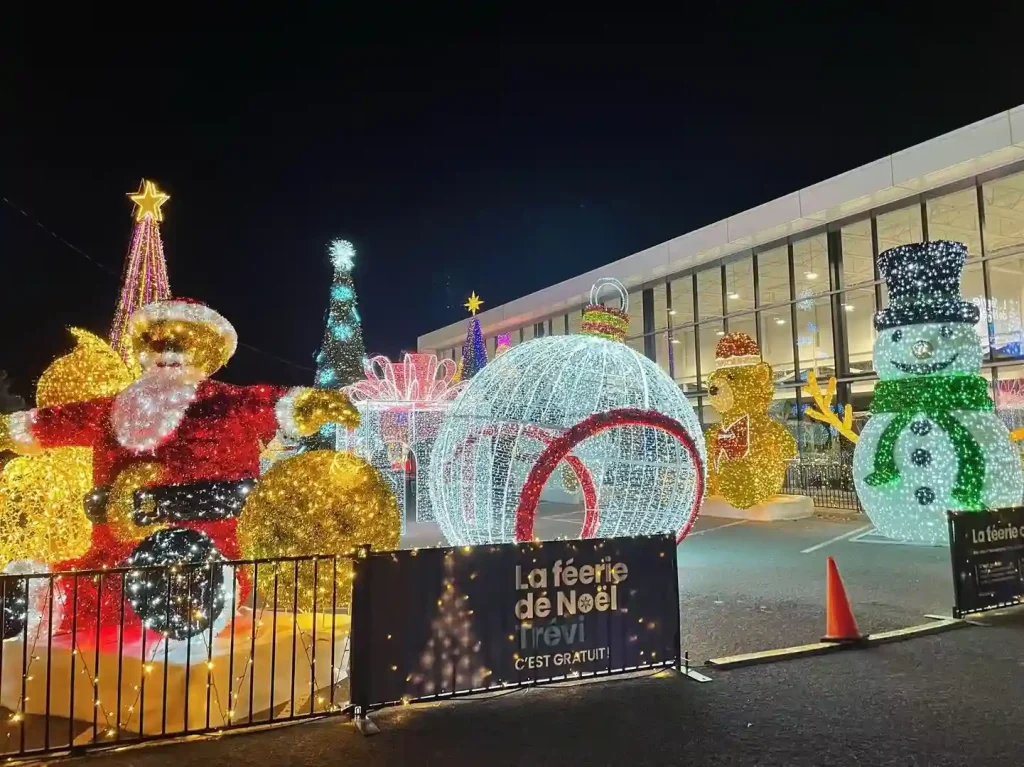
Common large-scale Christmas decoration elements include illuminated Christmas reindeer, giant Christmas trees with layered lighting, Santa Claus light sculptures, Christmas bear installations, and walk-through light displays. These oversized decorations turn public spaces into festive landmarks that visually communicate the spirit of Christmas.
Light plays a particularly important role, enhancing atmosphere at night and creating warm, inviting environments that attract visitors throughout the holiday season.
Why People Are Drawn to Large-Scale Christmas Decorations
Modern Christmas celebrations are increasingly experience-driven. Large-scale Christmas projects naturally attract people because they create spaces where visitors can slow down, explore, and interact with the festive environment.
During the Christmas season, people enjoy visiting decorated spaces, taking photos with iconic Christmas installations, sharing festive moments on social media, and spending time with family and friends. These activities have become a natural part of contemporary Christmas traditions.
Large-scale decorations provide the backdrop for these experiences, helping Christmas remain emotionally meaningful and socially engaging.

Christmas Experiences for Families and Children
Large-scale Christmas decorations are especially appealing to families. Children are naturally drawn to bright lights and familiar characters such as Santa Claus, reindeer, and Christmas animals. Adults, on the other hand, often appreciate the atmosphere, nostalgia, and sense of tradition.
By creating welcoming and visually engaging spaces, large-scale Christmas projects encourage family interaction and shared holiday memories, strengthening the emotional value of Christmas for all ages.
Extending Christmas Culture Through Public Celebration
Large-scale Christmas decorations help extend Christmas culture beyond private spaces and into the public realm. By displaying traditional Christmas symbols in shared environments, these projects allow cultural traditions to be experienced collectively.
Each year, Christmas light installations and festive decorations renew interest in Christmas traditions, helping them adapt to modern life while preserving their original spirit. In this way, Christmas culture continues to grow, evolve, and remain relevant across generations.
Frequently Asked Questions
Q: What are large-scale Christmas projects?
A: Large-scale Christmas projects refer to holiday decorations created for public or commercial spaces such as shopping malls, city squares, streets, parks, and large venues. These projects usually include oversized decorations and large Christmas light installations designed for public viewing and interaction.
Q: Why are large-scale Christmas decorations important in modern celebrations?
A: Large-scale Christmas decorations bring Christmas culture into shared public spaces. They allow people to celebrate together, create collective holiday experiences, and keep Christmas traditions visible and meaningful in modern urban environments.
Q: What decorations are commonly used in large-scale Christmas projects?
A: Common decorations include illuminated Christmas trees, reindeer light sculptures, Santa Claus figures, Christmas bears, animal-themed installations, and walk-through Christmas light displays. These elements are widely recognized symbols of Christmas culture.
Q: How do large-scale Christmas light installations enhance the festive atmosphere?
A: Large-scale Christmas light installations use lighting, color, and scale to create immersive holiday environments. They transform ordinary spaces into warm and joyful settings, especially during the evening and nighttime hours.
Find more valuable reads waiting just beyond this page at 2A Magazine.