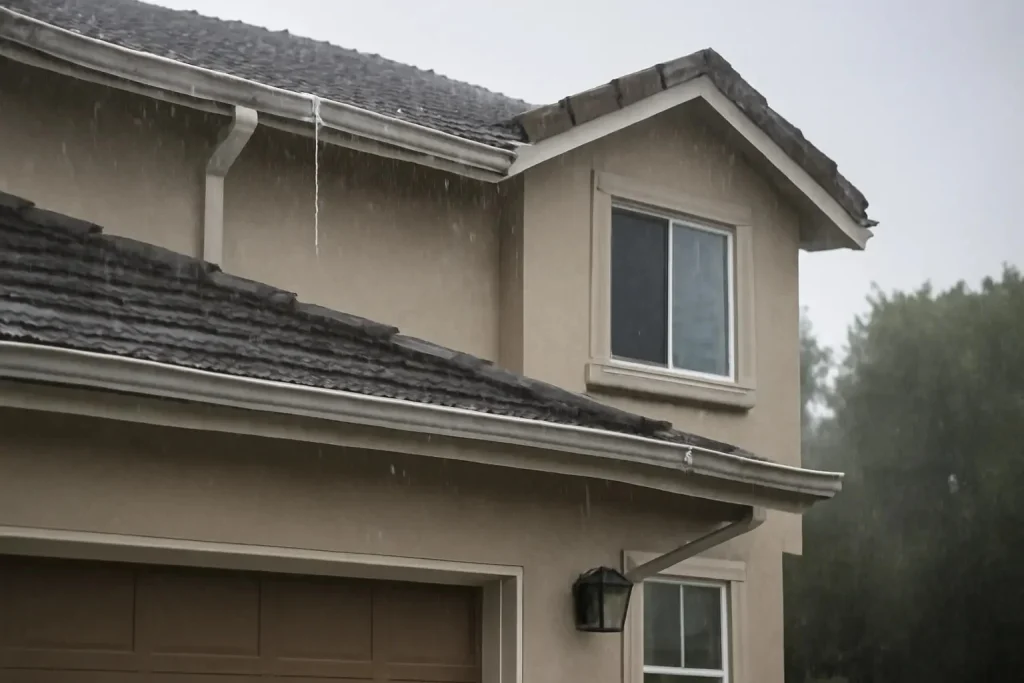
The rainy season in San Jose typically lasts from November to March, bringing substantial rainfall that can cause flooding and leaks if your home is unprepared. Taking the right steps now can save you from costly repairs and unnecessary stress when the rains come. In this guide, we’ll walk you through essential flood prevention and leak prevention measures to safeguard your property. If you’re worried about hidden problems, check this page for a quick inspection in San Jose — it’s free and can catch issues before they turn into disasters. Let’s get started with a checklist of things to do before the rainy season hits.
Pre-Rainy Season Checklist: Essential Steps to Prevent Flooding and Leaks
Before the heavy rains begin, it’s crucial to check several areas around your home. Addressing these issues can make a big difference in preventing water damage.
1. Inspect and Clean Your Gutters and Downspouts
Clogged gutters and downspouts are one of the leading causes of water overflow and subsequent flooding in the home. Make sure to clean them thoroughly in late fall, before the rainy season starts. Look for any cracks or damage that might prevent proper drainage. Downspouts should direct water at least 3-4 feet away from your foundation to avoid flooding near your home. If you don’t regularly clean your gutters, you risk dealing with clogged systems, which can lead to expensive repairs due to water damage to your foundation, roof, or exterior walls. Additionally, check for any vegetation growing in or around the gutters, as this can obstruct proper drainage.
Explore this related post for insights and tips that sharpen your skills immediately.
2. Check and Repair Grading and Slope Around Your Foundation
Proper grading and slope around your house ensure that water flows away from the foundation. If the ground is sloping toward your home, rainwater will pool near the foundation and may cause leaks or even basement flooding. A simple fix may be to regrade the soil or install a French drain. In addition, ensure that there is no pooling of water near the foundation. If water collects close to the foundation, it increases the likelihood of moisture seeping into the basement or crawl space, which can lead to mold growth and structural damage over time. A well-designed grading system ensures that water moves away from your property, reducing the risk of damage to both the foundation and landscaping.
3. Seal Cracks in Windows, Doors, and Roof
Water can seep through even the smallest cracks. Inspect the seals around your windows and doors and replace any worn-out weatherstripping. It’s also a good idea to check your roof for any missing or damaged shingles. A roof inspection can save you from water damage inside the house. In addition, check the caulking around windows and doors to prevent leaks during heavy rains. Sealing cracks in your roof and walls will also help with energy efficiency during the colder months. Make sure to inspect all areas where different building materials meet, such as window frames, skylights, and chimneys, to ensure they are properly sealed and won’t allow water infiltration during storms.
4. Install or Repair Window Well Covers
If your home has basement windows, make sure the window wells are properly covered to prevent water from entering. These covers are essential for keeping out debris and rainwater. Without proper coverage, rainwater can easily fill the window well, leading to water entering your basement and causing water damage to furniture, storage, and personal items. Window well covers are available in various styles and materials, including clear polycarbonate, which can also help improve natural light inside the basement while keeping water out.
Protecting Your Garage, Basement, and Storage Spaces
Your garage, basement, and other storage spaces are especially vulnerable to flooding during the rainy season. Here are some ways to safeguard your items and avoid water damage:
1. Store Items Above Floor Level
In areas that are prone to flooding, it’s important to store your valuables at least a few inches off the floor. This will prevent them from being damaged if water seeps in. Use plastic bins or shelving to keep your items safe. Avoid storing sensitive items such as electronics, important documents, and sentimental items directly on the floor. If flooding occurs, these items can be destroyed in a matter of hours. Consider investing in waterproof furniture or storage cabinets that can keep your belongings safe even in the event of minor flooding.
2. Install a Sump Pump in the Basement
If your home has a basement, installing a sump pump can help manage excess water. These pumps help to divert water away from your home’s foundation, preventing flooding during heavy rainfall. A sump pump can be a lifesaver, especially in areas that experience frequent or heavy storms. Be sure to test your sump pump before the rainy season begins to ensure it’s working properly. Additionally, it’s wise to install a backup power supply for your sump pump, such as a battery backup battery, to ensure it functions during power outages caused by storms.
3. Use Water-Resistant Storage Containers
For valuable items that must be stored in your basement or garage, opt for water-resistant containers. These bins are designed to keep moisture out and protect your items from water damage. Waterproof storage solutions are especially important for storing photos, documents, and other items that can be damaged by water exposure. Many of these containers are stackable, which helps maximize space and ensures that stored items remain safe and dry throughout the rainy season.
When to Call a Professional: Signs of Persistent Water Issues
While many flood prevention and leak prevention measures are DIY-friendly, there are times when it’s best to call in the experts. If you’re noticing repeated water problems, or if your home seems excessively damp, it may be time to contact a professional to assess the situation.
1. Persistent Water Leaks or Dampness in Walls
If you notice persistent leaks or damp spots on your walls, this could indicate that there is a serious problem with your home’s waterproofing or foundation. It’s best to consult a professional to identify the cause and implement a permanent solution. Mold growth on walls and ceilings is also a sign of long-term moisture problems that need immediate attention. Professional inspectors can assess the issue thoroughly and offer solutions like waterproofing membranes, foundation repairs, or enhanced drainage systems to address underlying problems.
2. Repeated Flooding in the Same Areas
If certain areas of your home experience flooding every rainy season, you may have a drainage issue that requires professional intervention. A drainage contractor can assess the situation and recommend long-term solutions to prevent flooding in those areas. Common solutions include installing French drains, fixing downspouts, or repairing foundation cracks. These measures can help direct water away from vulnerable areas of your home and reduce the risk of water damage.
3. Foundation Damage or Cracks
Cracks in your foundation can allow water to enter your home, leading to significant damage over time. If you notice large cracks, or if you see water entering your basement or crawl space, it’s essential to have a professional foundation repair company inspect the problem. Foundation repairs can be costly, but they’re essential for preventing further damage and ensuring the long-term stability of your home. Professional foundation contractors have the equipment and expertise to assess the extent of the damage and offer solutions such as crack injection or foundation underpinning to stabilize the structure.
Final Thoughts: How to Prepare for the Rainy Season in San Jose
The rainy season in San Jose can be unpredictable, but by following these flood prevention and leak prevention steps, you’ll be well-equipped to keep your home dry and safe. From cleaning gutters to inspecting windows and foundation grading, proactive preparation is the key to avoiding expensive repairs and flood damage. If you encounter persistent issues, don’t hesitate to call in a professional to ensure your home remains protected during the rainy season. The earlier you take action, the better protected your home will be against the elements.
Explore more reads packed with ideas, insights, and strategies to grow your expertise.