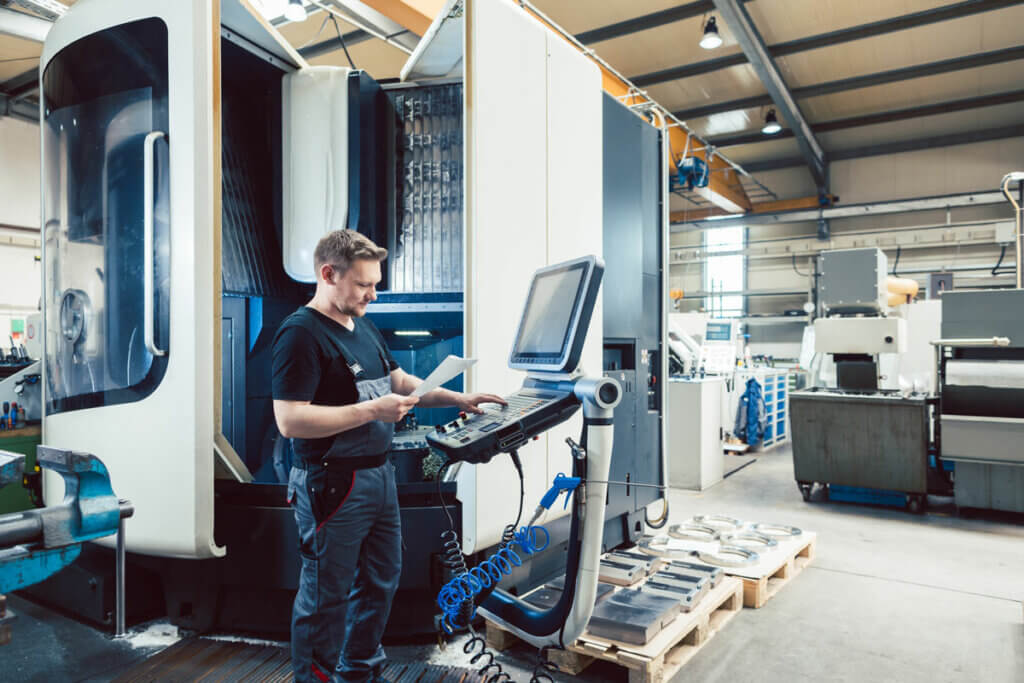
In an era where global supply chains, digital transformation, and Industry 4.0 adoption are reshaping how goods are produced, the backbone of high-quality manufacturing is precision machining. From aerospace components and medical devices to automotive parts and industrial tooling, precision machining serves as the foundation for delivering complex, reliable, and cost-effective products in a competitive market. Manufacturers across industries are embracing advanced techniques such as CNC turning, multi-axis milling, and integrated automation to meet rising expectations for accuracy, flexibility, and throughput.
Precision machining involves the controlled removal of material from a workpiece to achieve exact dimensions and tight tolerances. This process typically relies on sophisticated machine tools guided by computer numerical control (CNC) systems. These systems interpret digital instructions generated from CAD/CAM software, enabling parts to be produced with minimal human intervention and unparalleled repeatability. Recent trends in manufacturing reveal that this combination of digital design and automated machining is pivotal to unlocking higher productivity and tighter quality standards across product lines.
The Role of CNC Turning in Complex Manufacturing
One of the central technologies in modern machining is CNC turning. CNC turning centers are capable of producing cylindrical parts with high precision, including shafts, pins, threaded components, and rotationally symmetric parts. Unlike manual lathes, CNC turning centers automate tool movement and speed, reducing cycle time and dependence on operator skill. This makes them indispensable for both prototyping and large-scale production runs.
This automation and precision are especially critical where components must fit within narrow tolerances. For example, in aerospace manufacturing, structural fasteners and actuator components often require tolerances within microns to ensure safe and reliable assembly under extreme load conditions. Similarly, in the medical device industry, components such as orthopedic implants and surgical instruments must meet stringent regulatory and performance requirements. The integration of advanced CNC turning capabilities, such as those offered by Precision CNC Turning Services at Falcon CNC Swiss, enables manufacturers to meet these specialized needs consistently and efficiently.
Precision Machining Trends Shaping the Industry
1. Digital Integration and Smart Manufacturing
Manufacturers are increasingly adopting digital tools across the machining workflow. CAD/CAM systems enable engineers to design parts with embedded manufacturing intelligence, including optimized tool paths, material removal strategies, and simulation-based validation. When integrated with machine tool controls and factory automation systems, these digital workflows support adaptive machining, real-time monitoring, and data-driven decision-making. Digitalization not only enhances efficiency but also improves quality assurance and helps reduce scrap rates.
2. Rising Demand for Complex, High-Tolerance Parts
The proliferation of advanced materials and complex product requirements has elevated expectations for machining accuracy. Lightweight alloys, high-strength steels, and exotic materials such as titanium and Inconel are now frequently used in industries ranging from oil & gas to renewable energy. Machining these materials demands specialized tooling, precise control over cutting forces, and advanced spindle capabilities. Manufacturers that invest in high-precision machining infrastructure can capitalize on this trend by delivering parts that meet demanding performance criteria.
3. Nearshoring and Flexible Production Models
Global supply chain disruptions have shifted manufacturing strategies, with many OEMs and contract manufacturers exploring nearshoring opportunities to reduce lead times and logistics risk. Precision machining facilities positioned closer to end markets can offer faster response times and lower transportation costs, making them attractive partners for regional production ecosystems. These changing dynamics also emphasize the need for flexible machining systems that can handle a variety of part designs without extensive setup times.
Precision CNC Machining Services for Modern Applications
Precision machining services encompass a range of technologies and expertise, including milling, turning, grinding, and finishing operations. Companies that specialize in precision CNC machining are equipped to handle complex part specifications, stringent quality standards, and diverse material portfolios. The ability to provide value-added services—such as surface treatments, assembly support, and engineering consultation—further differentiates top service providers in a crowded market.
Organizations seeking a comprehensive solution for precision components often look for partners with both technological depth and operational excellence. For instance, the Precision CNC Machining Service exemplifies how service providers can combine cutting-edge equipment with engineering expertise to support clients across industries such as aerospace, medical, and high-precision industrial sectors.
Quality Assurance and Compliance
In precision manufacturing, quality assurance is not an afterthought—it is integral to every stage of production. Advanced machining operations are often governed by international quality standards such as ISO 9001 and AS9100, which require documented processes, traceability, and rigorous inspection practices. Precision machining facilities invest in metrology equipment, statistical process control (SPC), and inline inspection tools to ensure that each part meets specified criteria before delivery.
In sectors like medical devices and aerospace, regulatory compliance adds another layer of responsibility. Manufacturers must not only demonstrate dimensional accuracy but also provide evidence of manufacturing controls, process validation, and material traceability. Precision machining partners that can deliver these quality assurances become strategic contributors to product development lifecycles.
The Human and Technological Path Ahead
While automated systems and smart manufacturing tools are reshaping the machining landscape, human expertise remains irreplaceable. Skilled machinists, process engineers, and quality specialists interpret design intent, troubleshoot complex setups, and optimize production parameters. The future of precision machining will likely require a blend of advanced digital tools and deep technical knowledge, enabling teams to tackle increasingly sophisticated challenges.
Investment in workforce development—through training in CNC programming, automation systems, and digital manufacturing frameworks—will continue to be crucial. This focus not only supports innovation but also ensures that manufacturers can adapt to emerging trends such as artificial intelligence-guided machining, real-time analytics, and hybrid manufacturing systems.
Conclusion
Precision machining and advanced CNC technologies are more than production tools—they are strategic assets that enable manufacturers to fulfill demanding specifications, accelerate product development timelines, and compete effectively in global markets. As industries evolve and requirements become more exacting, companies that embrace digital transformation, operational rigor, and specialized machining services will be best positioned to lead in the next wave of manufacturing innovation.
For those seeking deep expertise, robust machining infrastructure, and a collaborative manufacturing partner, precision machining services such as those offered by Falcon CNC Swiss provide a compelling solution that aligns technical capability with strategic business value.