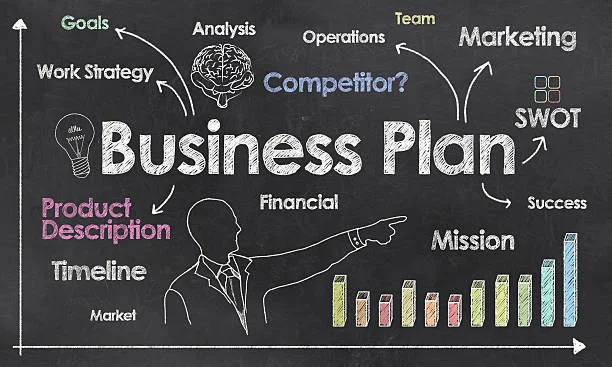
Starting a business today feels different than it did years ago. Entrepreneurs now face fast-moving markets, early competition, and pressure to appear ready from the very beginning. Ideas still matter, but preparation matters just as much Pre-built business. The way founders begin their journey has started to change.
Instead of spending long periods organizing ideas from scratch, many entrepreneurs are choosing to begin with pre-built business plans. This shift reflects a new mindset. Founders want to move forward with clarity, reduce early confusion, and focus their energy on real progress. A structured plan at the start helps them do exactly that.
Discover more context in this handpicked related article.
Early Preparation Is No Longer Optional
In today’s market, even new businesses are expected to operate with purpose from day one. Customers, partners, and platforms often expect consistency and organization very early.
Pre-built business plans help meet this expectation. They offer a prepared outline that shows how a business can function and grow. This early preparation reduces hesitation and allows entrepreneurs to step into the market feeling more confident and organized.
A Clear Starting Shape Changes Entrepreneur Behavior
When entrepreneurs start without structure, they often jump between ideas. One day is spent on growth, the next on pricing, and another on operations. This scattered approach slows progress.
A pre-built business plan gives the business a starting shape. It helps founders understand what comes first and what follows later. With this structure, effort becomes more focused. Work feels connected instead of random, which supports stronger progress over time.
Time Pressure Is Forcing Smarter Choices
Entrepreneurs often juggle limited time, money, and energy. Spending too long on early planning can delay momentum, while rushing without direction can lead to mistakes.
Pre-built business plans help balance this pressure. They reduce the time needed to organize key ideas while still providing guidance. This allows entrepreneurs to spend more time building, improving, and delivering value instead of constantly rethinking the basics.
Mental Space Is Freed for Real Work
Running a business involves constant thinking. When planning is unclear, this thinking becomes exhausting.
Starting with a ready business plan reduces mental overload. Many early questions already have a place. Entrepreneurs spend less time deciding what to think about and more time acting on clear priorities. This mental space improves focus and supports better execution.
Consistency Becomes Easier to Maintain
One of the biggest challenges for new entrepreneurs is staying consistent. Frequent changes in direction can slow progress and weaken results.
A pre-built business plan supports steadiness. It creates a base that allows adjustment without losing focus. Entrepreneurs can respond to feedback and change while still moving in one main direction. This consistency helps effort build instead of restarting again and again.
Market Entry Is Becoming More Intentional
The way entrepreneurs enter the market is no longer casual. Preparation now signals seriousness.
Pre-built business plans help founders enter with intention. They show that the business has been thought through and organized. This intentional start helps businesses gain early trust and move forward with fewer setbacks.
The Path Forward for Modern Founders
Modern founders are starting their journeys with more awareness than before. They understand that early choices shape long-term progress. Beginning with a pre-built business plan helps reduce early confusion and allows attention to stay on real work instead of constant setup.
This approach supports stronger focus, steadier movement, and better use of time. Founders can move into the market with purpose, adjust when needed, and stay consistent as they grow. As business environments continue to move faster, starting with structure is becoming less of an option and more of an advantage.
Keep exploring to find ideas that inspire and inform at 2A Magazine.