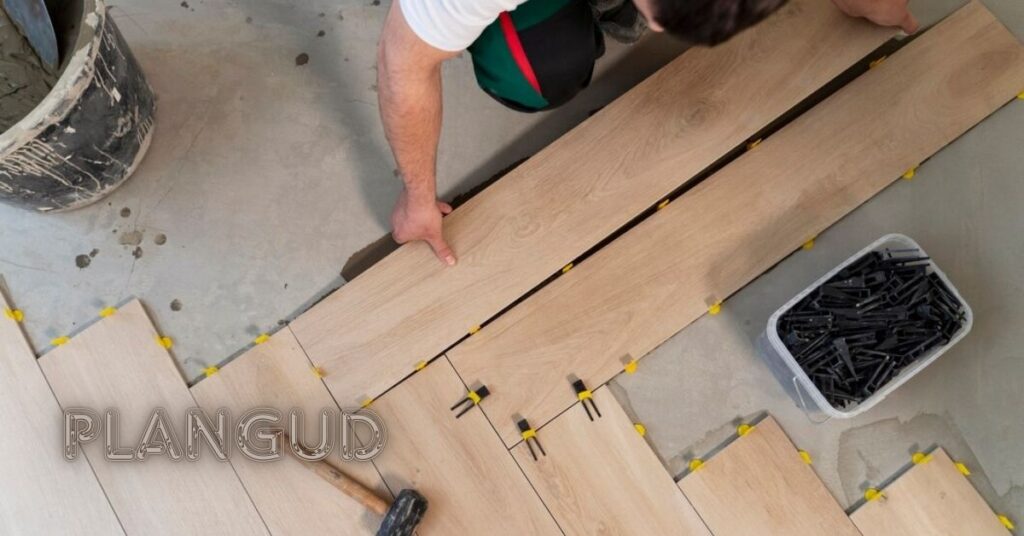
What Does Plangud Actually Mean?
If you’ve searched the word plangud and landed here wondering what it is, the short answer is simple: plangud is Estonian for planks, the plural form of plank. It refers to sawn wood boards used in construction, decking, fencing, cladding, and even outdoor cooking. Anyone browsing Estonian hardware sites in 2026 will run into the word constantly, since it’s the standard term lumber yards and DIY stores use for board-format timber.
That’s worth clearing up because a few low-quality blog posts online have tried to reframe plangud as some kind of new digital productivity platform. It isn’t. It’s an everyday building-materials term, and understanding it that way is far more useful if you’re actually trying to buy, cut, or install anything with it.
Where the Word Plangud Comes From
Plank entered Estonian the way a lot of construction vocabulary did across Northern Europe — through centuries of trade in sawn timber around the Baltic. The word sits alongside close cousins in English, German, and Scandinavian languages, all describing the same basic product: a long, flat piece of wood cut from a log.
In modern Estonian retail listings, you’ll see plangud specified by thickness, edge finish, and moisture content. A typical unedged plank (servamata plank) might run 50mm thick with 10–14% moisture, sold as “tisleri-dry” wood ready for construction use. That level of detail matters because plank quality directly affects how it holds up outdoors.
The Main Types of Plangud You’ll Run Into
Not all plangud serve the same purpose, and picking the wrong grade for the wrong job is one of the most common DIY mistakes.
| Type | Typical Thickness | Edge Finish | Common Use |
|---|---|---|---|
| Construction plangud | 38–50mm | Unedged | Framing, subfloors, structural work |
| Decking plangud | 25–28mm | Edged, planed | Outdoor floors, patios |
| Cladding plangud | 15–22mm | Edged | Exterior wall covering |
| Sauna bench plangud | 20–28mm | Edged, sanded | Sauna interiors, benches |
| Grilling plangud | 5–10mm | Edged | Plank-smoking fish and meat |
Grilling plangud stand out from the rest of the list. Estonian and Nordic barbecue suppliers sell these thin boards — often olive wood or cedar — specifically for plank-cooking salmon or other fish, a technique that’s grown noticeably more popular at outdoor gatherings over the past few years.
How Grade and Quality Are Marked
Estonian lumber sellers typically use letter grades to describe plangud quality. Anyone shopping for visible surfaces — decking, cladding, furniture — wants to pay attention to this grading rather than just price per board.
| Grade | Knots Allowed | Color Change | Best For |
|---|---|---|---|
| A | Knot-free or small live knots | Not allowed | Visible decking, furniture, cladding |
| AB | Live knot marks allowed, no knot holes | Some variation allowed | General construction, budget decking |
| Unclassified/utility | Larger knots and knot holes possible | Allowed | Framing, subfloors, hidden structural use |
Wood Species: Why It Matters as Much as Grade
Grade tells you how clean a board looks. Species tells you how it’ll actually perform, and this is where a lot of buying guides fall short.
- Pine — the most common structural and decking plank in the Baltic region, affordable and widely stocked
- Spruce — similar to pine but slightly lighter, common in framing and cladding
- Birch — denser and more decorative, often used for furniture-grade plangud and interior work rather than outdoor exposure
- Aspen — the standard choice for sauna bench plangud, since it stays cool to the touch and resists warping under heat
- Cedar — favored for grilling plangud and outdoor cladding, thanks to natural rot resistance
- Olive wood — a specialty choice for grilling planks, prized for the smoky, slightly sweet flavor it imparts
Anyone who has actually installed both pine and birch decking knows the difference in feel underfoot almost immediately — pine is softer and shows wear faster, birch holds up but costs more.
Treated vs. Untreated Plangud
This distinction gets skipped in a lot of buying guides, and it matters more than most first-time buyers realize.
Pressure-treated plangud are chemically treated to resist rot and insects, which makes them the right choice for ground-contact use — fence posts, deck substructure, raised garden bed frames that touch soil. Untreated plangud are for above-ground, dry, or food-adjacent applications.
That last point is critical for one specific use case: grilling plangud must always be untreated, food-grade wood. Treated lumber can leach chemicals when heated, so a construction-grade plank should never end up on a barbecue, no matter how convenient it looks. Reputable Baltic suppliers label grilling planks separately for exactly this reason.
Sustainability and Certification
Baltic timber suppliers increasingly list FSC (Forest Stewardship Council) or PEFC certification on plangud product pages. This isn’t just marketing — it’s a practical signal that the wood was sourced from managed forests rather than unregulated logging. If sustainability matters to your project, checking for one of these certifications on the product listing is a quick, reliable filter, and it’s a detail most plangud buying guides leave out entirely.
Installation Spacing: A Step Beginners Often Miss
Wood expands and contracts with humidity, and decking plangud specifically need a small gap between boards during installation — generally a few millimeters, adjusted slightly wider in dry conditions and narrower in humid ones — to allow for that natural movement. Skipping this step is one of the most common reasons a freshly built deck starts cupping or buckling within its first year. Fasteners should also sit slightly below the surface to avoid catching feet or furniture later.
What the Research Shows
Detailed analysis of Estonian and broader Baltic timber retail listings shows a consistent pattern: plangud pricing and grading follow the same structural logic seen across Nordic softwood markets, where thickness, moisture content, and knot allowance are the three variables buyers check first. Industry patterns across European sawn softwood consistently point to construction and outdoor living projects — decking, fencing, cladding — as the dominant use cases, which lines up with how plangud are actually marketed by Estonian suppliers today. Professionals working with timber consistently note that moisture content is the single biggest predictor of how a plank will perform once it’s outside for a season.
Buying Plangud: What Actually Matters
A few things worth checking before ordering plangud:
- Moisture content — kiln-dried or “tisleri-dry” boards resist warping far better than green timber
- Thickness consistency — cheaper batches sometimes vary board to board, which throws off installation
- Edge finish — unedged (servamata) plangud are cheaper but need extra trimming; edged boards install faster
- Species match — pine for budget structural work, aspen for sauna, cedar or olive for grilling
- Treatment type — treated for ground contact, untreated for anything food-related or interior
- Certification — FSC/PEFC labeling if sourcing matters to you
Skipping these checks is how a decking project ends up cupping, splitting, or — in the grilling case — tainting food within a season.
Common Uses Beyond Basic Construction
Beyond decking and framing, plangud are used for raised garden beds, fence panels, DIY furniture, sauna benches, and food-grade grilling planks for smoking fish and meat over an open flame.
Common Mistakes First-Time Buyers Make
The most frequent misstep is buying construction-grade plangud for a visible surface project and being surprised when knots and color variation show up. The second is skipping moisture content entirely and installing boards that later shrink and gap. A third, more serious mistake: using treated or unknown-origin lumber for grilling instead of certified food-grade planks. And for anyone trying grilling plangud for the first time — skipping the soak. Wood grilling planks need to soak in water for at least an hour before they go anywhere near heat, or they’ll char instead of smoking the food.
Conclusion
Plangud is a straightforward Estonian word for wood planks, but the category behind it is wider than most first-time buyers assume — spanning construction lumber, decking boards, cladding, sauna benches, and food-grade grilling planks. Getting the grade, species, treatment type, and moisture content right for your specific project is what separates a plank purchase that lasts from one that warps, splits, or — worse — ends up on a grill when it shouldn’t. Whether you’re framing a structure or smoking salmon on a cedar board, understanding what plangud actually are, and which type you need, makes the whole project easier.
FAQs
What does plangud mean in English?
Plangud is the Estonian plural of plank, referring to sawn wood boards used in construction, decking, and similar projects.
Are plangud the same as regular lumber?
Plangud specifically refers to board-format planks rather than beams or posts, but they fall under the broader lumber/timber category.
Can plangud be used for grilling?
Yes — but only untreated, food-grade grilling plangud’s, often cedar or olive wood, sold specifically for plank-smoking fish and meat.
Why does moisture content matter when buying plangud’s?
Higher moisture content increases the risk of warping, cupping, or shrinking once the plank is installed and exposed to weather.
What’s the difference between treated and untreated plangud?
Treated plangud resist rot and insects and suit ground-contact use; untreated plangud are for above-ground, dry, or food-related applications.