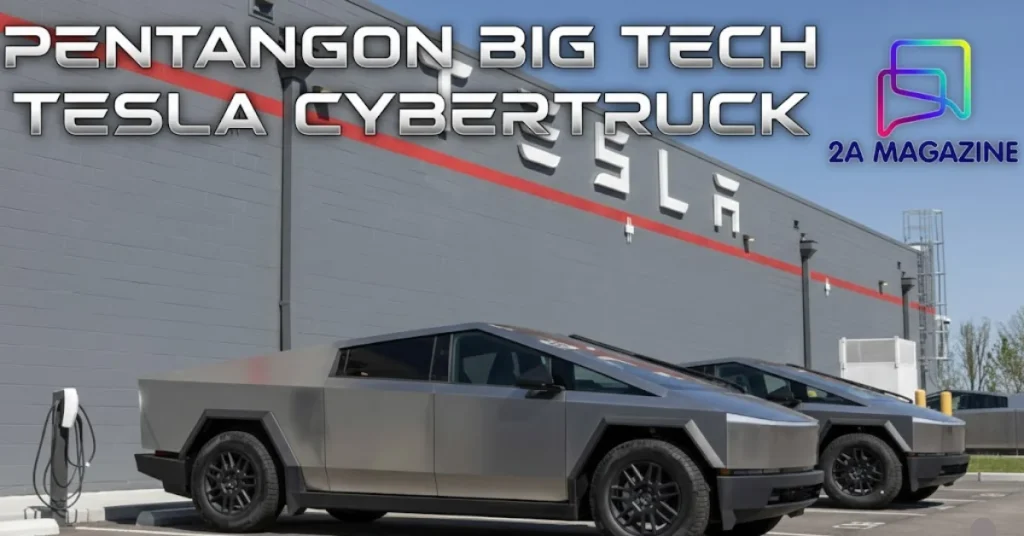
Introduction to the Pentagon big tech tesla cybertruck partnership
The partnership between the Pentagon and big tech companies has taken an intriguing turn with Pentagon big tech tesla cybertruck leading the charge. This futuristic vehicle, known for its striking design and electric prowess, is now at the forefront of a military revolution. As nations around the world race to innovate in defense technology, this collaboration promises to reshape not just how we think about vehicles but also how we understand modern warfare itself. The integration of cutting-edge technology into military operations opens up new avenues for strategy, mobility, and power dynamics on a global scale. What does this mean for national security as we know it? Let’s dive deeper into the potential impact of this groundbreaking partnership.
The rise of Tesla’s Cybertruck and its potential military applications
Tesla’s Cybertruck has emerged as a striking symbol of innovation. Its angular design and robust features set it apart from traditional vehicles, enticing both consumers and military strategists.
The vehicle’s durability is impressive, made with ultra-hard stainless steel that can withstand extreme conditions. This resilience makes it an appealing option for military operations in challenging environments.
Its electric powertrain offers tactical advantages. Silent movement allows for stealthy maneuvers on the battlefield, reducing detection risks during covert missions.
Additionally, the Cybertruck’s modular capabilities enable customization for various functions—transporting troops or equipment with ease. The integration of advanced technology could enhance communication systems on board.
As militaries explore electric options to reduce their carbon footprint, Tesla’s vision aligns perfectly with modern defense needs. The future may see these futuristic trucks deployed alongside traditional armored vehicles in diverse combat scenarios.
Advancements in modern warfare technology and how it relates to the Cybertruck
Modern warfare is evolving at an unprecedented pace. The integration of advanced technologies is reshaping how conflicts are fought and won. One notable player in this transformation is Tesla’s Cybertruck, which offers a glimpse into the future of military vehicles.
The Cybertruck’s electric powertrain promises quiet operation and reduced thermal signatures. This stealth capability could provide soldiers with strategic advantages on the battlefield. Additionally, its robust frame and bullet-resistant armor make it suitable for harsh environments.
Equipped with cutting-edge technology like AI-driven navigation systems, the Cybertruck can facilitate real-time data analysis during operations. This enhances situational awareness for troops, allowing them to adapt swiftly to changing scenarios.
Moreover, Tesla’s commitment to sustainability aligns well with defense strategies aimed at reducing carbon footprints while maintaining operational effectiveness. The potential synergy between innovation in vehicle design and military strategy could redefine how forces engage globally.
Mobility and flexibility in military operations through the use of electric vehicles
Electric vehicles, particularly Tesla’s Cybertruck, are transforming military mobility. Their electric powertrains offer silent operations, crucial for stealth missions.
With the ability to traverse diverse terrains, these vehicles enhance operational flexibility. The lightweight design and robust construction make them ideal for quick deployments in challenging environments.
Moreover, their low maintenance needs reduce logistical burdens. Troops can focus more on strategy rather than vehicle upkeep.
The integration of advanced technology further elevates their potential. Features such as autonomous driving capabilities allow for safer navigation in hostile zones.
As militaries adapt to modern challenges, electric trucks provide a sustainable solution that aligns with eco-friendly goals while ensuring readiness and responsiveness on the battlefield.
Potential drawbacks and controversies surrounding this partnership
The partnership between the Pentagon and big tech companies like Tesla raises several concerns. One significant issue revolves around cybersecurity. As military systems grow increasingly reliant on advanced technology, vulnerabilities emerge that adversaries could exploit.
Environmental impact is another point of contention. While electric vehicles are marketed as eco-friendly, the manufacturing process for batteries can harm ecosystems and deplete resources. Critics argue this contradicts sustainable development goals.
Additionally, there’s a philosophical debate regarding privatization in defense contracting. Relying on corporate giants can create conflicts of interest where profit supersedes national security priorities.
Public perception also plays a role; many citizens may distrust such collaborations due to fears about surveillance and data privacy breaches. This skepticism invites questions about transparency in using taxpayer dollars for high-tech solutions that may not align with public interests or values.
Integrating civilian technologies into military operations brings ethical dilemmas regarding their use in warfare scenarios.
How this collaboration redefines military power and national defense strategies?
The collaboration between the Pentagon and Tesla through the Cybertruck is a game-changer in military strategy. This partnership encourages innovation that aligns with modern warfare needs.
Electric vehicles can enhance troop mobility. They provide stealth capabilities, making them less detectable than traditional military transport. Quiet operation allows for covert maneuvers in sensitive environments.
Moreover, sustainability begins to play a role in defense strategies. By utilizing electric technology, armed forces reduce their carbon footprint while maintaining operational efficiency.
This shift signifies an understanding of future challenges—both on the battlefield and environmentally. The integration of big tech solutions reflects a broader trend toward agile and adaptive military thinking.
As militaries worldwide assess their strategic approaches, partnerships like these could reshape alliances and power dynamics globally. Embracing cutting-edge technology sets new standards for readiness and resilience in evolving conflict scenarios.
Conclusion: A look into the future of military technology and its impact on global security
As we gaze into the future, the intersection of military technology and innovative partnerships like that of the Pentagon and Tesla’s Cybertruck paints an intriguing picture. The integration of electric vehicles in defense operations introduces a world where mobility is redefined. Imagine armed forces maneuvering swiftly across diverse terrains with enhanced agility.
The implications extend beyond mere transportation. A shift toward sustainable energy sources could revolutionize logistics and operational strategies, reducing dependency on traditional fuel supplies. This transformation aligns with global trends towards greener initiatives while also addressing national security concerns.
However, embracing new technologies does not come without its challenges. Concerns about cybersecurity vulnerabilities, procurement processes, and public perception must be navigated carefully as these developments unfold. Balancing innovation with ethical considerations will be crucial to ensuring that advancements serve their intended purpose without compromising safety or accountability.
As military power evolves through such collaborations, it has the potential to reshape global security dynamics significantly. Nations might adopt varying approaches based on their own technological capabilities or strategic needs—creating a complex landscape for international relations going forward.
The path ahead promises both excitement and uncertainty. As we continue to witness such groundbreaking developments in military technology, one thing remains clear: change is inevitable—and it will demand careful consideration at every turn.