Palm pruning requires a different approach from tree pruning. Because of the unique biological characteristics, standard pruning practices don’t always apply to palms.
The wrong techniques can damage your palms and even create serious hazards! So, proper maintenance and risk management of large palms and trees are essential.
Here are the DO’s and DON’Ts when pruning them…
Palm Pruning DO’s
- Time it right.
During late spring and early summer, palms actively grow. Pruning them during such times lets them heal quickly. It also minimises stress during their peak growth phase.
- Use the right tools.
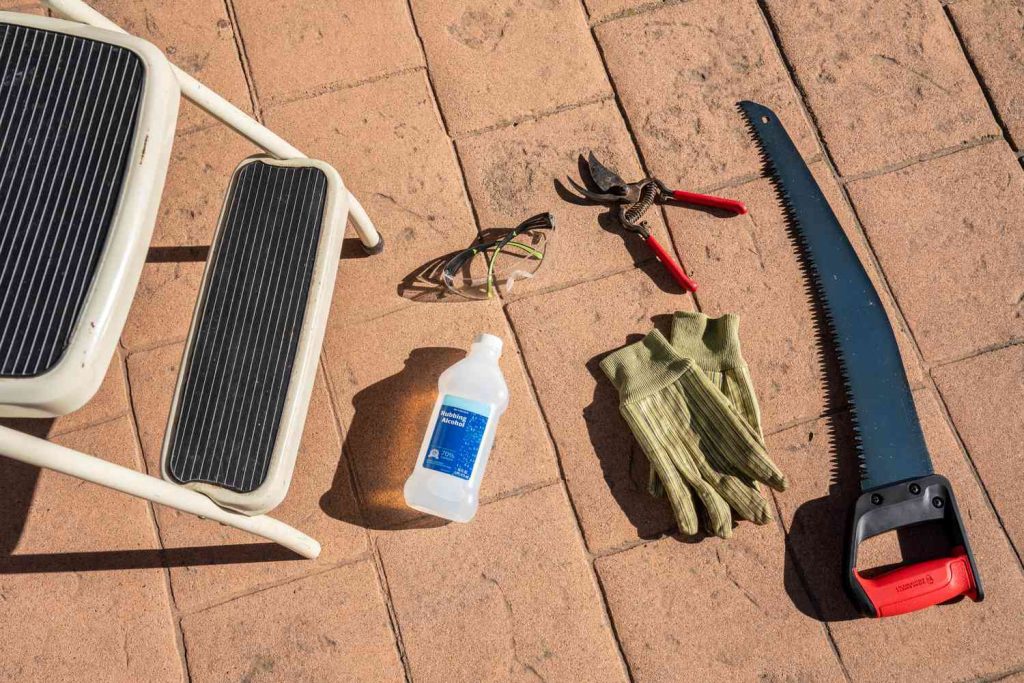
Pruning professionals use proper tools, such as loppers and saws. This ensures clean cuts.
And, before starting, sterilise your equipment to prevent spreading diseases that affect palm trees.
- Only remove what’s necessary.
So, which parts to cut? First, look at dead fronds that hang down. Then, look for fruit stalks and flower clusters. Remove them to redirect the tree’s energy back into healthy growth.
- Cut fronds properly.
When cutting fronds, do it a few centimetres from the trunk. This leaves a small stub.
NEVER dig into the bark. This will damage the trunk’s protective layer and create an opening for pests.
- Follow the 9-3 rule.
The healthiest fronds are those located above the 9 o’clock and 3 o’clock horizontal lines. They gather nutrients and protect the bud. Leave them be for enough greens for photosynthesis.
- Suit up properly.
Fronds and falling debris can cause cuts. For safety purposes, you must wear long sleeves, pants, gloves, and protective glasses.
Palm Pruning DON’Ts
- Over-prune.
Over-pruning strips away most of the fronds. Not only will it stress the tree, but also expose the growth buds to sunburn. And, with fewer greens, its ability to photosynthesise is limited.
- Cut healthy fronds.
As previously implied, fronds produce the energy the palm tree needs to survive. The only situations you could remove them are when they cause visibility or accessibility issues.
- Use climbing spikes.
You would see some people using climbing spikes when pruning trees. However, this is not advisable for palm trees, as it creates permanent wounds on the trunk and can be fatal to them.
Unless it’s really needed, avoid using climbing spikes!
- Tear fronds off.
Tearing or ripping fronds off also creates wounds on the trunk. Again, cut them using proper tools and equipment.
- Apply pruning sealants.
Pruning sealants can trap moisture inside the wound on the truck. This can lead to rotting. Let cuts heal naturally.
Have the Palm Garden You’ve Always Wanted!
Pruning isn’t something you should DIY, especially when you don’t have the skills and tools to do it. Remember, one misjudgement can lead to permanent damage or, worse, kill your palms. While the do’s and don’ts mentioned above provide you with a quick guide, ignoring tree maintenance or attempting complex work can lead to costly mistakes.
Calling in palm pruning experts is your best option! They have what you need to help keep your palms healthy for years to come!
Did this article help you? If so, take a look at some of our other blog posts for more informative reads.