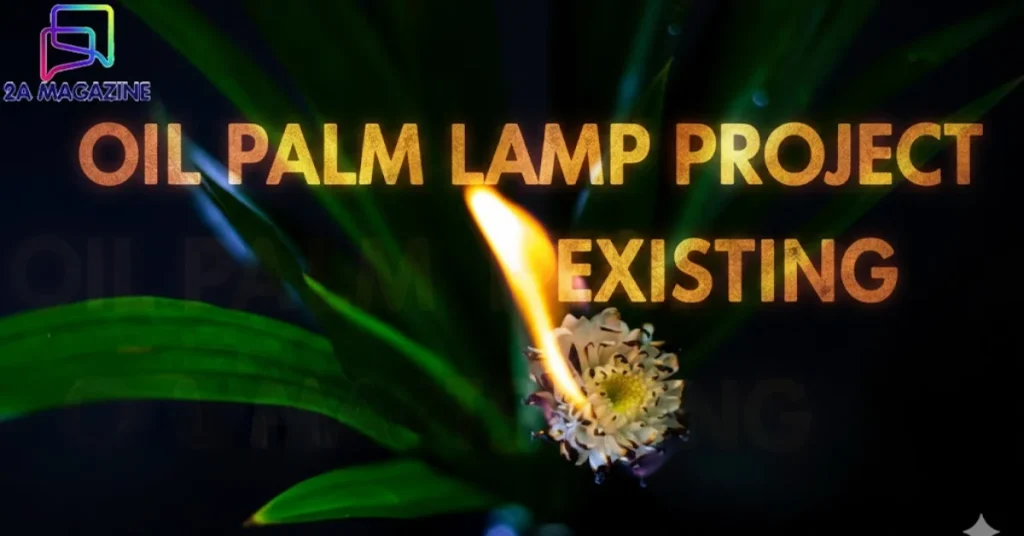
Introduction to oil palm lamp project existing
Imagine walking into a room illuminated by the warm glow of a lamp crafted from sustainable materials. This isn’t just any ordinary lamp; it’s a symbol of innovation and environmental responsibility. Welcome to the world of the oil palm lamp project existing, where waste transforms into beautiful, functional lighting solutions. As we navigate through increasing environmental challenges, this initiative stands out as a beacon of hope—showing us how creativity can lead to sustainability without compromising on style or functionality. Let’s dive deeper into how this revolutionary project is changing the landscape for waste valorization and product design while making our world greener one lamp at a time.
The Problem of Waste and Its Impact on the Environment
Waste is a pressing issue that affects our planet’s health. Every year, millions of tons of waste end up in landfills or are incinerated, releasing harmful toxins into the environment.
Plastic pollution has reached alarming levels. Oceans filled with plastic threaten marine life and ecosystems. Animals ingest microplastics, leading to dire consequences for biodiversity.
Organic waste is another concern. Food scraps contribute to methane emissions when they decompose in landfills. This greenhouse gas significantly accelerates climate change.
The accumulation of industrial waste poses risks as well. Toxic materials can leach into soil and water supplies, jeopardizing human health and natural habitats.
Addressing these issues requires innovative solutions that promote sustainability and responsible consumption patterns. Ignoring them will only exacerbate existing environmental crises and compromise future generations’ well-being.
How the Oil Palm Lamp Project Addresses This Issue?
The Oil Palm Lamp Project takes a proactive stance against waste by transforming discarded oil palm biomass into functional products. This innovative initiative focuses on repurposing materials that would otherwise contribute to environmental degradation.
By utilizing the leftover fibers, shells, and empty fruit bunches from palm oil production, the project effectively mitigates waste issues. These materials undergo a meticulous process to create eco-friendly lamps that are both practical and aesthetically pleasing.
Additionally, this approach reduces reliance on fossil fuels for lighting needs. Local communities benefit not only from cleaner energy sources but also through job creation in the manufacturing process.
Through education and awareness campaigns, the project fosters sustainable practices among stakeholders involved in palm oil cultivation. This cultivates a culture of sustainability while addressing pressing environmental concerns related to waste management.
The Process of Creating Oil Palm Lamps
The process of creating oil palm lamps begins with sourcing raw materials. The waste from the oil palm industry, such as empty fruit bunches and palm kernel shells, is collected. This approach not only reduces landfill waste but also repurposes what would otherwise be discarded.
Next, these materials undergo a transformation. They are processed into biochar or biomass pellets, which serve as the core for the lamp design. Innovative techniques ensure that these components retain their natural properties while becoming suitable for combustion.
Once prepared, artisans craft the lamps by molding them into various shapes and sizes. Each piece reflects a blend of traditional craftsmanship and modern design principles.
After assembly, an eco-friendly fuel is added to enhance functionality. These lamps illuminate spaces while promoting sustainable practices within communities dedicated to green living.
Benefits of Using Oil Palm Lamps
Oil palm lamps offer a range of benefits that contribute positively to both the environment and communities. First, they are made from waste materials, specifically empty fruit bunches and palm oil byproducts. This innovative approach helps reduce agricultural waste dramatically.
Using these lamps also supports local economies. By sourcing materials locally, farmers can gain additional income while promoting sustainable practices in their communities.
Moreover, oil palm lamps provide an eco-friendly lighting solution. They burn cleaner than traditional fossil fuels, reducing greenhouse gas emissions and air pollution.
The aesthetic appeal is another advantage; the natural glow of these lamps creates a warm ambiance suitable for various settings—from homes to outdoor events.
In addition to being cost-effective over time, they help raise awareness about sustainability efforts among consumers who choose eco-conscious products.
Success Stories and Impact of the Project
The oil palm lamp project existing has already made waves in several communities. Local artisans have embraced this innovative approach, turning waste into beautiful lamps that illuminate homes and public spaces.
In one village, the project created new job opportunities for women. They learned valuable skills while contributing to a sustainable cause. This empowerment is transforming lives and fostering community spirit.
Additionally, schools have participated by incorporating the project’s principles into their curricula. Students engage with hands-on activities, learning about sustainability and environmental stewardship through lamp-making workshops.
Furthermore, local markets now feature these eco-friendly products prominently. Consumers are increasingly drawn to ethically produced items that support their environment.
These success stories showcase not only the practicality of using palm waste but also how it fosters social cohesion and economic growth within impacted communities. The ripple effect continues as more people become aware of its benefits.
Future Plans and Potential for Expansion
The oil palm lamp project existing is poised for exciting growth. Plans are underway to scale production and reach new markets. By partnering with local artisans, the initiative aims to create job opportunities while promoting sustainable practices.
Expansion into international markets is also on the horizon. This move could introduce eco-friendly lighting solutions to regions grappling with energy scarcity. The team envisions collaborations that would further enhance product design and accessibility.
Research into alternative materials is ongoing, aiming to diversify product offerings without compromising sustainability. Innovations in lamp designs could attract a broader audience, making eco-conscious choices more appealing.
Community engagement will remain a cornerstone of future efforts. Workshops focused on educating consumers about waste valorization can foster greater awareness and appreciation for sustainable living habits. The potential impact is immense as this project continues to evolve and inspire positive change worldwide.
Conclusion: The Power of Innovative Solutions for Sustainability
The oil palm lamp project existing exemplifies how innovation can transform waste into valuable resources. By tackling the pressing issue of agricultural waste, this initiative not only helps mitigate environmental impact but also paves the way for sustainable product design.
Through a thoughtful process that utilizes discarded materials from oil palm cultivation, these lamps represent a creative solution to two significant challenges: waste management and energy needs. The benefits extend beyond sustainability; they include economic opportunities and community empowerment.
Success stories emerging from various regions illustrate the project’s positive influence on local economies and environments. As awareness grows, so does interest in expanding this model across different contexts and communities.
Embracing innovative solutions like the oil palm lamp project is crucial for fostering sustainability in our world today. It highlights how creativity combined with purpose can lead to meaningful change, inspiring others to explore new pathways toward a healthier planet.