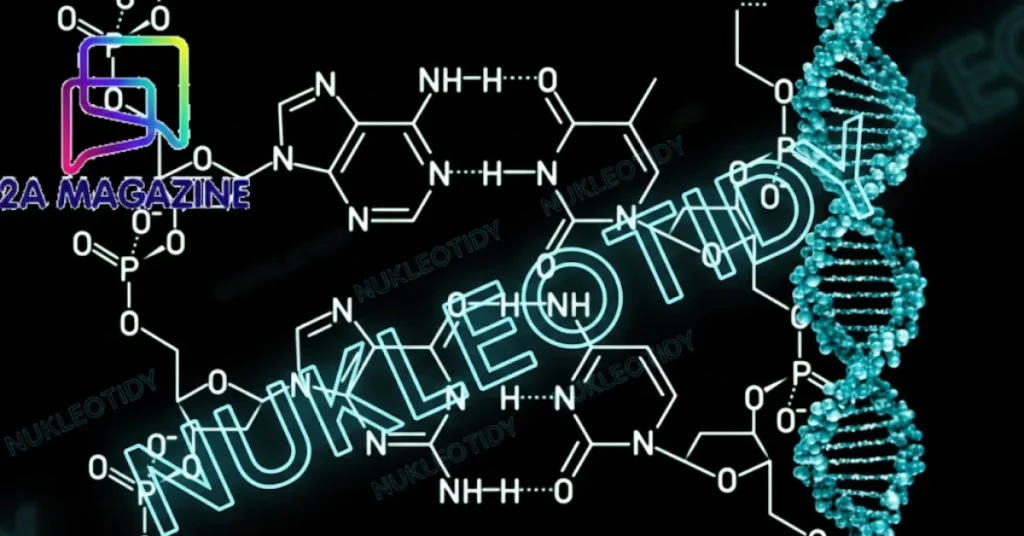
Introduction to nukleotidy
Nukleotidy play a crucial role in the world of biology, serving as the building blocks of life itself. These tiny molecules may seem insignificant at first glance, but they are key players in processes that keep our cells functioning and thriving. From crafting DNA’s intricate structure to facilitating protein synthesis through RNA, nukleotidy are essential for every living organism.
In recent years, interest has surged around these powerful compounds, especially regarding their potential benefits when taken as supplements. Whether you’re an aspiring biologist or just curious about how your body works on a molecular level, understanding nukleotidy will deepen your appreciation for life’s complexities. Join us on this journey to unravel the mysteries behind these incredible molecules and discover their importance in cellular energy systems too!
DNA: The Blueprint of Life
DNA serves as the intricate blueprint for all living organisms. It carries the genetic instructions vital for growth, development, and reproduction.
Structured as a double helix, DNA consists of nucleotide units linked together. Each nucleotide is made up of a sugar, phosphate group, and a nitrogenous base. These bases—adenine, thymine, cytosine, and guanine—pair specifically to encode information.
This unique sequence of nucleotides determines an organism’s traits. From eye color to susceptibility to certain diseases, it all traces back to this remarkable molecule.
Moreover, DNA plays a crucial role in heredity. When cells divide during reproduction or repair processes, they replicate their DNA so that each new cell possesses the same genetic material.
Understanding how DNA functions enhances our grasp of biology and medical science. Its complexities continue to intrigue researchers worldwide as they unlock more secrets about life itself.
RNA: The Messenger Molecule
RNA plays a crucial role in the flow of genetic information within a cell. It serves as the messenger, carrying instructions from DNA to ribosomes, where proteins are synthesized.
Unlike DNA, which is double-stranded and stable, RNA is typically single-stranded and more versatile. This flexibility allows it to take on various shapes and functions within the cell.
There are several types of RNA, each with its unique purpose. Messenger RNA (mRNA) transports genetic codes for protein production. Transfer RNA (tRNA) brings amino acids to ribosomes during translation, while ribosomal RNA (rRNA) forms part of the ribosome structure itself.
This dynamic molecule not only facilitates protein synthesis but also participates in gene regulation and expression. Its diverse roles highlight how essential it is for cellular function and overall life processes.
The Role of nukleotidy in Energy Production
Nukleotidy play a crucial role in cellular energy production. They are the building blocks of nucleic acids, but their importance doesn’t stop there.
ATP, or adenosine triphosphate, is one of the most well-known nukleotidy. It serves as the primary energy currency in cells. When ATP breaks down to ADP (adenosine diphosphate) and inorganic phosphate, it releases energy that powers various biological processes.
This transformation fuels muscle contractions, nerve impulses, and metabolic reactions. Without adequate levels of nukleotidy like ATP, our bodies would struggle to perform everyday tasks efficiently.
Furthermore, other forms such as GTP (guanosine triphosphate) also contribute significantly to energy transfer within cell signaling pathways. This intricate system ensures that energy is available when needed most.
By understanding how nukleotidy influence these mechanisms, we can appreciate their vital role in sustaining life at a cellular level.
Types of nukleotidy Supplements and Their Benefits
Nukleotidy supplements come in various forms, catering to different health needs. One popular type is ribonucleic acid (RNA) supplements. These are often sought for their role in cellular repair and regeneration.
Another common option is deoxyribonucleic acid (DNA) supplements. They aim to support genetic health and improve overall cellular function. Many users report enhanced energy levels and improved recovery times after workouts when incorporating these into their routine.
Additionally, nucleotide blends are available. These typically combine several types of nucleotides to provide a comprehensive approach to wellness. Athletes frequently use them for better performance and quicker muscle recovery.
Some products also include specific vitamins or minerals that enhance the effects of nucleotides, offering a more rounded supplement experience. This synergy can lead to improved immune response and digestive health as well.
Potential Side Effects and Precautions
While nukleotidy supplements can offer various benefits, it’s essential to be aware of potential side effects. Some individuals may experience gastrointestinal discomfort, such as bloating or diarrhea.
Allergic reactions are also a possibility for those sensitive to specific ingredients in these supplements. Skin rashes or itching could occur, so monitoring your body’s response is crucial.
Before beginning any new supplement routine, it’s important to seek guidance from a qualified medical professional. This ensures that it aligns with your health status and existing medications.
Pregnant or breastfeeding women should exercise caution and seek medical advice prior to using nukleotidy products.
Staying informed about the sources and quality of these supplements will help mitigate risks associated with contamination or impurities. Always prioritize safety when considering any dietary additions.
Conclusion
Nukleotidy play a crucial role in the foundation of life itself. Understanding their function can enhance your knowledge of genetics, cellular processes, and energy production. As we explore DNA’s role as the blueprint for all living organisms and RNA’s function as a messenger that translates genetic information, it becomes clear how integral these molecules are to biological systems.
Furthermore, with advancements in nutritional science, nukleotidy supplements have gained popularity for their potential benefits in boosting immune response and enhancing recovery from stress and injury. However, it’s essential to be aware of possible side effects when considering supplementation.
Embracing an informed approach will enable you to appreciate the importance of nukleotidy not just within cells but also in overall health. With continued research on this subject emerging daily, staying up-to-date is vital for those interested in optimizing their well-being through understanding nucleotides’ roles at both cellular and systemic levels.