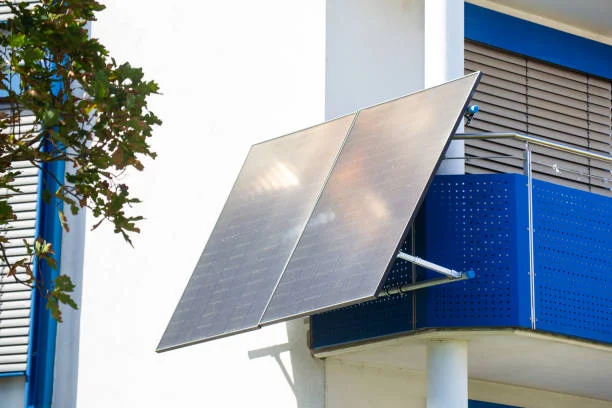
What New Jersey Solar Panel Recycling Really Means
As New Jersey continues its rapid shift toward renewable energy, managing the end of life phase of solar installations has become a critical part of building a truly sustainable energy ecosystem. The term new jersey solar panel recycling refers to the responsible handling, dismantling, and material recovery of photovoltaic (PV) panels once they are no longer useful for generating electricity. Solar panels don’t last forever, and with tens of thousands installed across the Garden State, planning for what happens when they reach the end of their lifecycle is both an environmental necessity and an economic opportunity.
Why Solar Panel Recycling Matters in New Jersey
Solar energy systems typically function effectively for 25 to 30 years, after which efficiency declines and replacement becomes a practical choice. When panels are removed, they become solid waste that must be managed properly to prevent environmental harm. Solar panels contain valuable materials like glass, silicon, aluminum, and precious metals as well as potentially hazardous substances such as lead or cadmium in certain models. Recovering these materials through recycling helps reduce waste, conserve natural resources, and support a circular economy where materials stay in use rather than heading to landfills.
For New Jersey, a state with significant solar capacity and ambitious clean energy goals, this transition raises several questions: where can panels be recycled? What rules apply? And how is the industry evolving to meet these challenges?
Dive into this related post for practical advice and actionable knowledge you can use.
The Regulatory Landscape for Solar Panel Recycling in New Jersey
New Jersey has taken proactive steps to address PV panel end of life management, recognizing that clear guidance and infrastructure are essential for sustainable recycling. One foundational effort was the establishment of the New Jersey Solar Panel Recycling Commission, a body created to investigate options for recycling and other end of life strategies for solar panels and related equipment. The Commission studied the issue extensively and produced recommendations aimed at improving recycling capacity and regulatory frameworks within the state.
Building on this work, state lawmakers have introduced and passed measures requiring owners of solar energy facilities to remove and recycle panels and related structures when they reach the end of their useful life. These proposals outline rules and minimum requirements for how recycling should be implemented and emphasize environmentally protective storage of any toxic components that cannot yet be safely recycled.
Meanwhile, the New Jersey Department of Environmental Protection (NJDEP) has implemented interim programs that allow recycling facilities to operate while broader universal waste rules are finalized. Under the Research, Development & Demonstration (RD&D) permit program, approved recycling entities can accept and process non hazardous end of life panels, providing a pathway toward scalable solutions even before full regulations take effect.
Existing Facilities and Recycling Services
One of the most significant developments in solar panel recycling in New Jersey has been the launch of dedicated recycling facilities capable of handling retired PV modules. In 2025, Commercial Solar Panel Recycling (CSPR) opened the first facility in New Jersey specifically built to recycle decommissioned, underperforming, or damaged solar panels. This facility, located in Phillipsburg’s Urban Enterprise Zone, received the state’s first RD&D permit for solar panel recycling and serves as a model for circular, sustainable management of PV waste.
Through processes such as deframing, component recovery, and glass separation, CSPR is working toward zero landfill outcomes and maximum material recovery. The materials extracted from old panels can be reused in manufacturing or repurposed in other industries, helping to close the loop on solar panel materials and reduce the need for virgin resources.
In addition to CSPR, several companies operate in New Jersey offering new jersey solar panel recycling services. These include Newtech Recycling, which focuses on environmentally responsible recycling and management for homeowners, businesses, and installers, ensuring hazardous materials are handled safely and valuable components are recovered.
Local e waste recyclers, such as Magnum Computer Recycling, also accept solar panels as part of broader electronics recycling operations, although they typically require specific panel information and may charge a fee for service.
How the Solar Panel Recycling Process Works
Recycling solar panels is a multistage process that begins with collection and transportation, followed by careful disassembly and material recovery. Here’s a look at the typical steps involved:
Dismantling and Sorting
Panels are first taken to a recycling facility where they are sorted by type, size, and material composition. Technicians remove frames, wiring, junction boxes, and other easily separable parts.
Safety Screening
Before processing, panels are tested for hazardous components. Panels with substances such as cadmium or lead may require specialized handling to prevent contamination of the recycling stream.
Material Separation
Once safe to process, panels undergo mechanical and thermal methods to separate glass, metals, silicon cells, and plastics. Large percentages of glass and metals can be recovered and repurposed.
Refinement and Reuse
Recovered raw materials including aluminum frames, high purity silicon, and glass are refined for use in new products, other manufacturing sectors, or even new solar panel production.
This structured approach not only conserves valuable resources but also mitigates environmental harm by keeping potentially toxic substances out of landfills and waterways.
Benefits of Solar Panel Recycling in New Jersey
Adopting widespread new jersey solar panel recycling practices brings benefits on multiple fronts. Environmentally, recycling reduces landfill waste and helps prevent hazardous materials from entering ecosystems. Economically, reclaimed metals and other components feed back into supply chains, reducing the demand for new mining and processing. Socially, recycling infrastructure creates new jobs and positions New Jersey as a leader in sustainable technology management.
Encouraging responsible recycling also aligns with broader climate goals by reducing the embodied energy of new materials and supporting a circular economy where resources remain in productive use for longer periods.
Challenges and Future Opportunities
Despite progress, solar panel recycling in New Jersey is still evolving. Comprehensive regulations classifying solar panels under universal waste rules are expected to be finalized by the end of 2025, which will further streamline recycling requirements and encourage broader participation.
Meanwhile, scaling recycling capacity to handle growing volumes of end of life panels remains a priority. As more solar installations age, having robust infrastructure and clear regulatory frameworks will be essential to avoid backlogs of waste and to ensure that the benefits of solar energy extend throughout the entire lifecycle of PV systems.
Making the Most of End of Life Solar Panels
For homeowners, installers, and businesses in New Jersey wondering what to do with old solar panels, the first step is to contact certified recycling providers or the NJDEP for guidance. Planning for end of life management as part of your solar project ensures that environmental responsibility is built into every phase of your clean energy investment.
With supportive regulations, emerging facilities, and growing industry expertise, New Jersey is paving the way for a sustainable future where solar energy systems are designed not just to power homes and businesses but to be responsibly recycled when their job is done.
Unlock more reads filled with actionable ideas, guidance, and inspiration you can apply.