
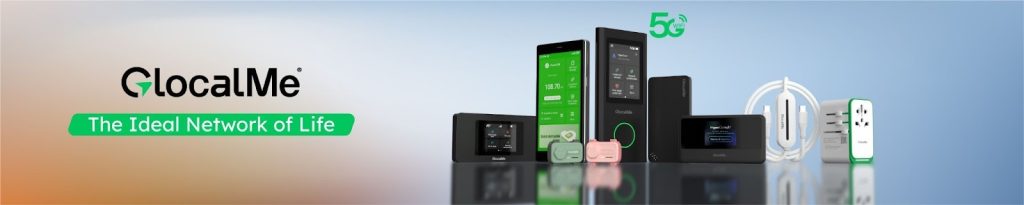
In a time when connectivity is as urgent as oxygen, choosing the right mobile hotspot devices isn’t just smart—it’s essential. Whether you’re setting up a remote work station in the mountains, preparing for travel across continents, or tired of unreliable hotel Wi-Fi, portable hotspots can be your lifeline.
Among these solutions, the brand behind GlocalMe offers a compelling global reach and user-friendly experience.
Explore deeper insights; check our Related Post for value-packed ideas today!…
Why Portable Hotspots Are Becoming the Connectivity Anchors
The Soaring Demand
- The global mobile hotspot market is projected to grow from US$41.9 billion in 2024 to roughly US$169 billion by 2035, at a CAGR of ~13.5%.
- The router/standalone hotspot market alone was valued at ~US$8.5 billion in 2024 and is expected to reach ~US$27.4 billion by 2033, with a CAGR of around 12.8%.
- For Wi-Fi hotspot hardware as a component, the CAGR is even higher, at around 15.4% through 2034.
These numbers reflect a clear shift: people want connectivity with freedom, not tethered to one location or reliant solely on unstable public networks.
What Drives the Trend
- Remote work, digital nomad lifestyles, and travel are now mainstream.
- Smart devices, IoT, streaming, and gaming require reliable bandwidth and multi-device support.
- Traditional broadband and Wi-Fi alone often don’t cut it, especially abroad or on the move.
What to Expect from a Strong Device
- Global or multi-region coverage: you’re not locked into one network or country.
- Multiple simultaneous connections: laptop + phone + tablet, etc.
- Long battery life and robust build: you’re carrying your network.
- User-friendly interface and flexible data plans: complexity can become a barrier.
How the GlocalMe Approach Defines Modern Connectivity
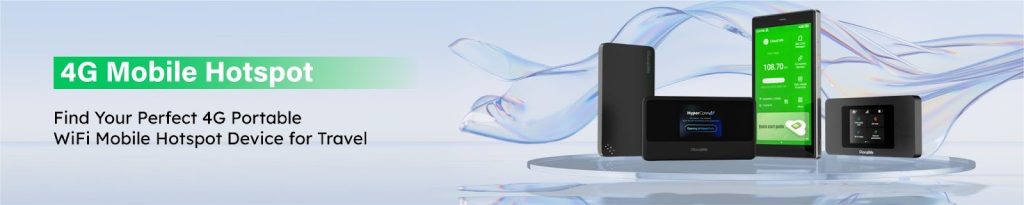
When we look at the devices and services offered by mobile hotspot devices, several strengths stand out:
Global Reach Meets Portability
- Coverage spans over 200 countries and regions, allowing roaming without switching carriers.
- Some devices support up to 16 devices simultaneously, ideal for work, family, or travel groups.
- Battery lives in key devices range from ~11 hours on 5G to ~15 hours on 4G.
Smart Features That Matter
- CloudSIM or multi-SIM support: devices automatically pick the best network.
- Touchscreen interfaces: intuitive management, even mid-trip.
- Flexible data packages: often managed via app, reducing the “foreign SIM surprise” risk.
Use Cases That Prove the Point
- Users praise the G4 Pro for remote work connectivity across regions.
- Another review highlights the convenience of pocket-sized connectivity, without relying on local SIMs or hotel Wi-Fi.
These devices are mobile command centers for your digital life.
The Nitty-Gritty: Choosing the Right Mobile Hotspot Device
Step-by-Step Checklist
- Define your use case – travel international or domestic only? One user or a family?
- Device connectivity – how many devices will connect simultaneously? 5? 10? 16+?
- Network support – 4G, 5G? Unlocked for global use?
- Battery life & form factor – will you carry it in hand, bag, or mount it?
- Data plan flexibility – can you swap plans globally?
- Support & ease – is the interface simple? Global customer service available?
Bullet-Point Pros of the GlocalMe Style
- Plug-and-play connectivity almost anywhere.
- No local SIM juggling for multiple countries.
- Strong battery life and multi-device support.
- Transparent data plans managed via app.
- Ideal for remote workers, travelers, families, and business use.
Things to Watch Out For
- Coverage varies by country and network, always check before purchase.
- Battery life depends on usage intensity (streaming vs browsing).
- Data costs may still be higher than home broadband in some regions.
- Relies on cellular infrastructure of the country you are in.
Case Studies & Real-World Stats
- A review of the GlocalMe G4 Pro showed a user connecting up to 10 devices across regions with solid performance.
- Global mobile hotspot market value in 2024: US$41.9 billion, projected to US$169 billion by 2035.
- Mobile hotspot router market: US$8.5 billion in 2024, expected US$27.4 billion by 2033, CAGR ~12.8%.
- Forum users reported battery drains in heavy-use scenarios; real-world usage can differ from specs.
- Hardware evolution: earlier devices like Huawei E5 pioneered mobile Wi-Fi hotspots, supporting up to 10 devices.
These examples show that mobile hotspot devices are mainstream tools, not futuristic novelties.
Practical Scenarios Where Mobile Hotspot Devices Change the Game

Traveller & Digital Nomad Use
Landing in a country with unreliable hotel Wi-Fi? Pull out your device, connect your laptop, phone, and tablet and you’re online in minutes. No local SIMs, no language barrier with data packages.
Family Trip or Group Outing
Multiple devices streaming, filming, and sharing? One unit supports all devices, keeping everyone connected.
Remote Work / Business Continuity
Home internet down or in an unexpected location? Portable hotspot = minimal interruption. Productivity insurance, not just convenience.
Emergency Backup
Local outages or travel disruptions? A portable hotspot keeps you connected for work, family, and news.
Fast-Facts: Market Size & Trend
| Market Segment | 2024 Value | Future Projection | CAGR (Growth Rate) | Forecast Year |
| Global Mobile Hotspot Market | US$41.9 billion | US$169 billion | ~13.5% | 2035 |
| Mobile Hotspot Router Market | US$8.5 billion | US$27.4 billion | ~12.8% | 2033 |
These figures underline the rapid growth and increasing adoption of portable connectivity solutions.
Final Thoughts: Connect Smarter, Not Harder
Choosing the right mobile hotspot devices isn’t about picking the most expensive gadget; it’s about aligning tech with your lifestyle, travel, work, mobility, and reliability.
When you explore the devices at mobile hotspot devices, you’re investing in connectivity that works when you work, roams when you roam, and keeps you online during interruptions.
Frequently Asked Questions (FAQs)
Q1: What makes one mobile hotspot device better than another?
Key differentiators: number of supported devices, network compatibility (4G/5G/global), battery life, data plan flexibility, and user interface.
Q2: Can I use a mobile hotspot device instead of my home Wi-Fi?
Potentially yes if your data plan supports heavy usage and device offers strong throughput. Great for travel and remote work, but heavy streaming or gaming may still require home broadband.
Q3: Does global coverage guarantee a signal everywhere?
Not exactly. “Coverage in 200+ countries” depends on local cellular networks, roaming agreements, and signal strength. Check local compatibility.
Q4: How long will the battery last?
Battery life varies by device, usage, and connectivity strength. Models claim 11–15 hours in ideal conditions; heavy use can shorten this.
Q5: Are portable hotspot devices secure?
Yes, when used properly. Secure them with passwords, manage connected devices, and avoid public Wi-Fi vulnerabilities. Practice strong network security.
Don’t miss our Featured Post-packed with insights to spark ideas and inspire you