Lab work used to mean sticky notes, scribbled protocols, and pipettes that all looked the same. MyPipette changes that picture entirely.
If you’ve spent any time in a molecular biology or chemistry lab recently, you’ve probably heard the term floating around. So what exactly is it, and why does it matter?
What Is MyPipette, Really?
MyPipette refers to a connected ecosystem built around electronic pipettes, most notably Thermo Fisher’s My Pipette Creator platform and Gilson’s MyPIPETMAN line. It’s not one single product. Instead, it’s a category of smart, customizable pipetting tools that let researchers program, personalize, and share liquid-handling protocols digitally.
The Thermo Fisher version connects via Bluetooth or USB to a cloud-based app, letting lab teams centrally program pipette settings and push protocols to multiple devices at once. Gilson’s MyPIPETMAN takes a different angle, letting users design their own pipette with custom volume ranges, grip styles, and even printed text or images.
Think of it like customizing a smartphone case, except the device underneath is doing precision science work.
How the Technology Actually Works
At its core, MyPipette-style systems bridge hardware and software. A technician sets up a protocol once, in the cloud app, then beams it directly to a physical pipette.
This matters more than it sounds. In a typical lab, dozens of pipetting steps get repeated daily, and manual errors creep in easily. According to lab automation researchers, even small volume inconsistencies can throw off downstream results in PCR or ELISA assays.
By standardizing protocols digitally, MyPipette tools cut down that variability. Settings get locked in. New lab members follow the exact same steps as senior researchers, every time.
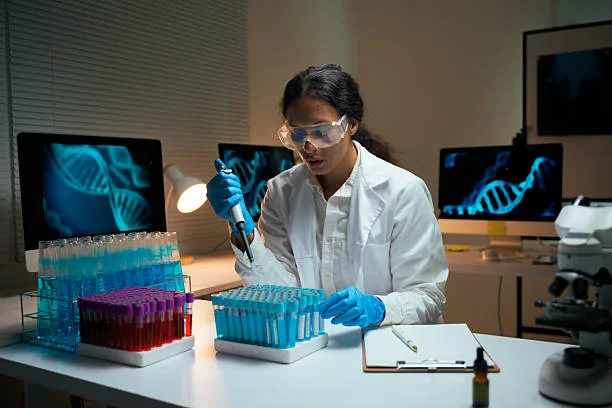
Setting It Up
Getting started usually follows a simple pattern:
- Create a cloud account through the manufacturer’s platform
- Install the connect utility on a lab PC
- Pair the pipette via Bluetooth or USB
- Build or import a pipetting protocol
- Sync it across the team’s devices
It’s not complicated, but it does require a one-time setup per computer.
Real-World Use Cases
Picture a university genomics lab running the same DNA extraction protocol across three shifts of grad students. Without standardized settings, each shift might pipette slightly differently, introducing noise into the data.
With a MyPipette-style system, the lab manager programs the protocol once. Every student, every shift, every day, the pipette behaves identically. That’s a real efficiency win, and it’s the kind of thing labs don’t talk about much publicly, but quietly love.
Pharmaceutical QA teams use similar tools for compliance too. Documented, repeatable pipetting steps make audits faster and far less stressful.
Benefits and Drawbacks
The benefits are fairly clear:
- Reduced human error in repetitive pipetting tasks
- Easier onboarding for new lab staff
- Centralized protocol sharing across teams
- A bit of personalization, which sounds minor but actually helps with morale and device tracking
However, there are tradeoffs too. These systems cost more upfront than basic mechanical pipettes. And not every small lab needs cloud connectivity for routine work. Smaller research groups sometimes find the setup overkill for their needs.
What Experts Are Saying
“Pipetting is one of those tasks everyone assumes is foolproof until they audit their own data,” noted one lab automation consultant familiar with electronic pipetting trends. That sentiment lines up with what Thermo Fisher has publicly said about treating pipettes as personal tools, comparable to a stethoscope for a doctor, according to Raymond Mercier, Thermo Fisher’s business director for liquid transfer.
That comparison isn’t just marketing fluff. It reflects a real shift in how labs think about everyday instruments, not as generic tools, but as precision devices worth investing in properly.
Where This Is Headed in 2026
As of 2026, more labs are leaning into connected lab equipment generally, not just pipettes. Inventory tracking, automated note-taking, and now programmable liquid handling are converging into single ecosystems.
Don’t be surprised if MyPipette-style tools eventually link directly with lab information management systems (LIMS), automatically logging every pipetting action without manual entry.
Conclusion
MyPipette isn’t a flashy buzzword destined to fade. It’s a practical answer to a problem labs have quietly dealt with for decades: inconsistent manual pipetting. Whether it’s worth adopting depends on your lab’s size and budget, but the direction it points toward, smarter, more connected lab equipment, isn’t going away anytime soon.
FAQs
Is MyPipette one specific product?
No. It’s used to describe a category of customizable, connected pipette systems, most commonly from Thermo Fisher and Gilson.
Do I need Bluetooth to use it?
Most electronic models support Bluetooth, though some use USB connections instead.
Can small labs benefit from MyPipette tools?
Yes, but the investment makes more sense for labs running frequent, repetitive protocols across multiple staff members.
Is the customization just cosmetic?
Not entirely. While skins and prints are cosmetic, the protocol-sharing and programming features offer real functional value.
Where can I learn more about the official platforms?
Thermo Fisher and Gilson both maintain dedicated product pages with setup guides and compatibility details.