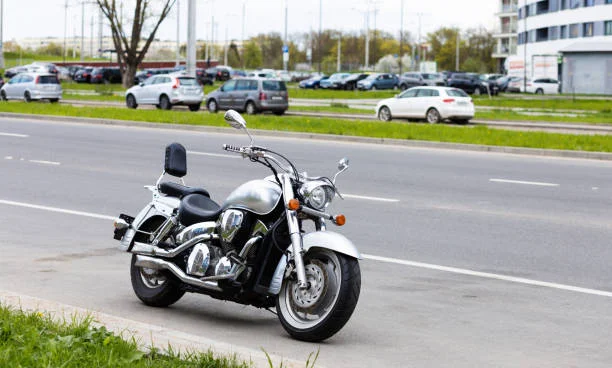
Aggressive driving transforms everyday roads into high-risk environments, and motorcyclists often bear the brunt of that danger. Actions like speeding, tailgating, cutting off other vehicles, and hostile lane changes are not just discourteous—they create conditions where riders have little margin for error. Without the protective frame of a car Motorcycle Collisions, motorcyclists are exposed to direct impact forces that can cause life-altering injuries in seconds.
When a crash is triggered by reckless or confrontational driving behavior, injured riders are not powerless. The law allows victims to seek compensation for the physical, emotional, and financial fallout of these incidents. Consulting a Motorcycle accident attorney in Richardson can help injured riders understand their rights, identify liable parties, and pursue claims that reflect the full scope of their losses.
Why Aggressive Driving Is Especially Dangerous for Motorcyclists
Motorcycles rely heavily on predictability in traffic flow. Riders constantly monitor surrounding vehicles, road conditions, and spacing to maintain balance and control. Aggressive drivers disrupt that balance by making sudden moves that leave riders with no time or space to react safely.
Unlike drivers in enclosed vehicles, motorcyclists absorb the force of a collision directly. Even low-speed crashes can result in fractures, spinal injuries, head trauma, or severe road rash. The absence of structural protection means that aggressive driving behaviors carry far more severe consequences when a motorcycle is involved.
Discover insights that perfectly connect with what you just read.
Forms of Aggressive Driving That Commonly Cause Motorcycle Crashes
Aggressive driving creates serious dangers for motorcyclists or Motorcycle Collisions, who have less protection and less room to recover from sudden hazards. Common aggressive behaviors that lead to motorcycle crashes include:
- Tailgating: Following too closely leaves no margin for error if a rider slows due to traffic, debris, or road conditions, often causing rear-end impacts or forcing sudden evasive moves.
- Hostile or careless lane changes: Failing to check blind spots, drifting across lanes at high speeds, or cutting off a motorcycle can result in sideswipe collisions.
- Intentional blocking or crowding: Drivers may deliberately prevent a rider from changing lanes or maintaining space, increasing crash risk.
- Forcing a rider off the road: Aggressive maneuvers that push a motorcycle toward the shoulder, curb, or other traffic.
- Speeding combined with aggression: Excessive speed amplifies the danger of any hostile driving behavior.
These actions are often driven by impatience or road rage—not simple error—and they frequently leave riders with no safe way to avoid a serious collision.
Establishing Liability After an Aggressive Driving Collision
Holding an aggressive driver accountable requires showing that their conduct directly caused the crash. Evidence plays a crucial role in this process. Police reports, traffic citations, witness statements, dashcam footage, and nearby surveillance videos can help demonstrate reckless behavior such as speeding or unsafe lane changes.
Medical documentation is equally important. Records that detail the severity of injuries, treatment plans, and recovery timelines connect the crash to its consequences Motorcycle Collisions. This documentation helps counter attempts to downplay injuries or argue that they were unrelated to the collision.
Types of Compensation Motorcycle Crash Victims May Pursue
Motorcycle crash victims may pursue compensation for both financial losses and the personal impact of their injuries. Common types of recoverable damages include:
- Medical expenses: Emergency care, hospitalization, surgery, medications, and physical therapy
- Future medical needs: Ongoing treatment, rehabilitation, and long-term care
- Lost wages: Income missed while recovering from injuries
- Reduced earning capacity: Loss of future income if injuries limit work ability
- Property damage: Repair or replacement of the motorcycle, helmet, and riding gear
- Pain and suffering: Physical pain and ongoing discomfort
- Emotional distress: Anxiety, trauma, depression, or fear related to the crash
- Permanent scarring or disfigurement: Lasting physical changes from the injuries
- Loss of enjoyment of life: Reduced ability to ride, work, or participate in everyday activities
These forms of compensation recognize not only the financial cost of a crash Motorcycle Collisions, but also how seriously it can disrupt a rider’s independence and quality of life.
When Aggressive Driving May Justify Additional Damages
Some aggressive driving incidents go beyond negligence and reflect a blatant disregard for safety. Extreme speeding, deliberate intimidation, or road rage behavior can elevate a case beyond ordinary accident claims. In these situations, additional damages may be sought to address the severity of the conduct.
These claims serve a broader purpose than compensation alone. They send a message that reckless hostility on the road carries serious consequences. While not available in every case, they may apply when evidence shows intentional or egregiously dangerous behavior.
How Insurance Companies Try to Shift Blame Onto Riders
Motorcycle accident claims often face resistance from insurance companies that rely on outdated stereotypes. Adjusters may assume riders were speeding, weaving, or riding recklessly, even without evidence. These assumptions are often used to reduce settlement offers or deny claims outright.
Protecting against these tactics requires careful documentation and strategic communication. Consistent medical treatment, detailed records of how injuries affect daily life, and a clear narrative of how the crash occurred can help counter biased arguments and protect the integrity of the claim.
Critical Steps to Take After a Motorcycle Collision
After a motorcycle collision, early actions can protect both your health and your ability to pursue fair compensation. Critical steps include:
- Get medical care immediately: Even if injuries seem minor, conditions like head or internal injuries can worsen without prompt treatment.
- Report the crash: Make sure the incident is officially documented by law enforcement or the appropriate authority.
- Document the scene: Take photos of the roadway, vehicles, damage, skid marks, and any visible injuries.
- Collect witness information: Names and contact details can be crucial if fault is later disputed.
- Preserve physical evidence: Keep your motorcycle, helmet, riding gear, and damaged clothing in their post-crash condition.
- Track your recovery: Maintain a personal log of symptoms, physical limitations, pain levels, and emotional struggles.
Detailed records help show the full, ongoing impact of the crash—not just the initial injuries—so any claim reflects both current losses and future challenges.
Standing Up to Aggressive Driving on the Road
Motorcycle collisions caused by aggressive drivers are rarely unavoidable accidents—they are the result of dangerous choices. When impatience or hostility leads to serious injury, victims deserve accountability and fair compensation for what they have endured.
By understanding their legal options and taking timely action, injured riders can protect their futures and push back against reckless behavior. Pursuing a well-supported claim not only aids recovery but also reinforces the importance of safer, more responsible driving for everyone on the road.
Dive deeper into more ideas crafted to inspire and inform you at 2A Magazine.