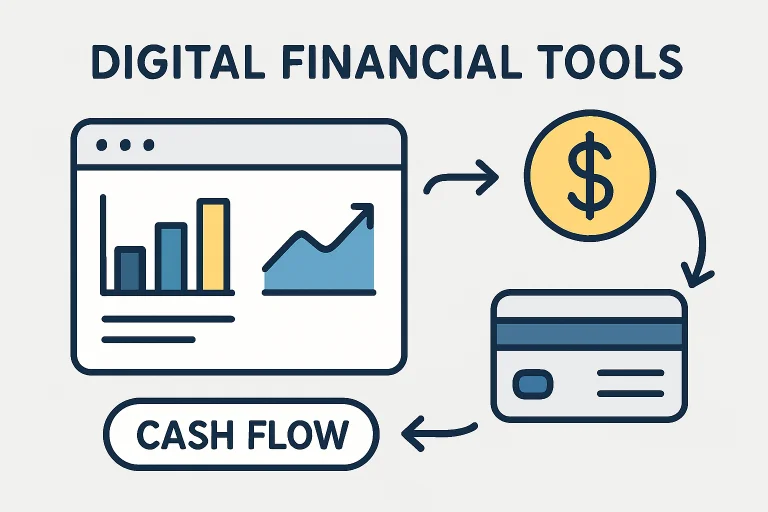
Cash flow remains the lifeblood of any business, from small startups to large enterprises. Efficient management ensures ongoing operations, funding for growth, and the ability to weather unexpected financial storms. Today’s presents offer a potent mix of digital tools and technology that help businesses accelerate payments or Business Cash Flow, monitor operations in real-time, and build resilience into their processes. By leveraging modern resources such as NZ factoring services, automation, and next-generation payment systems, organizations can unlock new efficiencies and maintain stronger control over their finances.
Businesses must move beyond outdated manual methods and embrace advancements that automate routine processes, mitigate risks, and improve accuracy. By implementing these modern solutions, organizations can not only optimize their cash cycle but also create a smoother, more predictable path for growth and innovation. Real-time financial data and robust digital systems are no longer optional—they’re essential for maintaining a competitive advantage in an ever-evolving economy.
Key factors contributing to cash flow challenges include delayed client payments, human error in processing, and inefficient reconciliation. Addressing these issues with modern technology is critical for businesses aiming to streamline their operations and minimize disruptions. Incorporating innovative cash management solutions enables companies to free up working capital, extend their operational runway, and respond rapidly to market changes.
Alongside these internal efficiencies, integrating digital-first payment infrastructure and fintech tools helps reduce transaction friction and drive operational agility. Advanced solutions—such as predictive analytics and secure blockchains—further enhance transparency, security, and speed in financial operations, providing finance teams with better oversight and decision-making capabilities.
Automation Tools for Financial Processes
Modern finance automation tools have revolutionized tasks such as invoice processing, payroll, reconciliations, and expense management. For example, accounts payable automation can reduce manual errors, facilitate faster approvals Business Cash Flow, and prevent overlooked payments—all of which are crucial for maintaining a steady cash flow. In industries such as real estate, where companies process a high volume of transactions, automating financial operations ensures fewer bottlenecks and greater accuracy. According to a recent analysis by Forbes Tech Council, organizations adopting automation tools enjoy improved transparency, faster closures, and reduced back-office costs.
Real-Time Data Analytics
Instant access to current financial information empowers business leaders to anticipate cash needs before they become critical. Real-time dashboards integrate bank accounts, receivables, payables, and market data, providing a unified view for informed decision-making. This immediate insight enables dynamic budgeting, optimized working capital, and early detection of anomalies or risk areas. Platforms enhanced with artificial intelligence further augment these advantages, enabling proactive measures rather than reactive firefighting. As highlighted by Harvard Business Review, data-driven forecasting can dramatically improve a company’s ability to weather market volatility.
Digital Payment Systems
Digital payment solutions streamline both payables and receivables, shortening days sales outstanding (DSO) and reducing late payments. By offering flexible, fast, and secure payment options, businesses receive incoming funds more quickly and settle obligations promptly. Digital wallets, direct debit, and real-time payment networks all contribute to creating a more predictable cash cycle. Blockchain-enhanced systems add an extra layer of security and transparency while automating reconciliations, thus significantly reducing administrative burden. The move to digital payment is increasingly vital for suppliers and customers seeking seamless, frictionless transactions.
Integrating Artificial Intelligence
AI-powered tools are rapidly changing the way businesses monitor, forecast, and optimize their cash flow. By learning from historical patterns and external signals, AI algorithms can generate accurate predictions for incoming and outgoing cash, identify anomalies, and suggest corrective actions. This predictive analysis not only helps anticipate shortfalls or surpluses but also gives finance teams actionable recommendations to refine spending, manage working capital, and adjust strategies. As volatility becomes the new normal in global markets, AI-driven clarity and automation deliver tangible value by enabling more strategic financial planning.
Blockchain Technology in Financial Transactions
Blockchain networks underpin a new era of financial transparency, speed, and trust. By allowing transaction data to be recorded on a tamper-proof ledger, businesses can securely transfer funds, automate contract execution, and settle transactions in near-real time. Blockchain-driven payment solutions further reduce risks of fraud, error, and delays, while providing unparalleled visibility into transaction histories. This is particularly effective for industries with complex supply chains or frequent cross-border payments, where traditional clearing systems are slow and costly. As outlined by CNBC, the adoption of blockchain technology is accelerating among businesses that prioritize cash flow resilience and operational agility.
Conclusion
In today’s rapidly evolving economic landscape, upgrading cash flow management with automation, real-time analytics, advanced payment platforms Business Cash Flow, artificial intelligence, and blockchain technology has become essential for sustained business success. These modern tools streamline routine processes, significantly reduce manual effort, and accelerate transaction processing while improving accuracy and transparency. Enhanced data visibility allows leaders to make faster, more informed financial decisions and respond quickly to market changes. By adopting these innovations, organizations can optimize working capital, identify potential risks earlier, strengthen financial controls, and remain resilient and competitive in an increasingly complex and fast-paced global marketplace.
One click away from insights that make this topic hit harder at 2A Magazine.