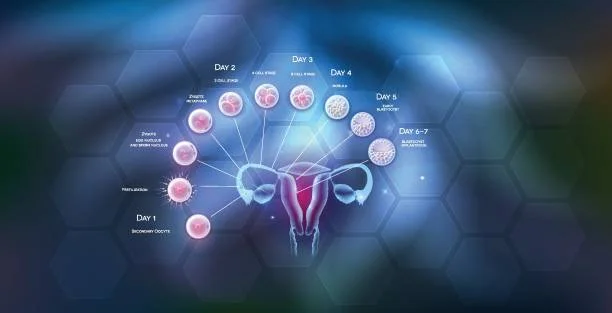
Fertility is one of the most personal and biologically complex aspects of human life. Yet, for many years, conversations around reproduction were limited, often shaped by social expectations rather than scientific understanding. Today, that landscape has changed dramatically. Advances in medical research, genetics, and reproductive technology have transformed how we understand fertility and how individuals approach family planning.
Modern fertility science is not just about treating difficulties conceiving. It is about understanding reproductive health as a dynamic part of overall well-being, influenced by age, lifestyle, environment, and biology. Increasingly, people are seeking evidence-based information and specialized guidance from institutions dedicated to reproductive medicine, sometimes found online through terms like fertility clinic, even when these organizations operate as comprehensive medical and research institutes.
This shift toward knowledge, prevention, and innovation reflects a broader trend: fertility is no longer viewed as a passive process, but as an area where science can offer insight, options, and hope.
Fertility as a Window Into Overall Health
One of the most important lessons from modern research is that fertility is deeply connected to overall physical health. Reproductive function relies on the balanced interaction of multiple systems, including hormonal regulation, metabolism, immune response, and genetic integrity.
In women, ovarian function, egg quality, uterine health, and hormone cycles are all critical. In men, sperm production, motility, and genetic stability play central roles. When any of these elements are affected by illness, stress, poor nutrition, or environmental exposure, fertility can also be influenced.
Because of this interconnectedness, fertility assessments often provide valuable information about general health, encouraging people to adopt healthier habits that benefit both reproductive and overall wellness.
The Science Behind Age and Reproductive Potential
Age is one of the most studied factors in reproductive medicine. While it has long been known that female fertility declines over time, modern science has provided a more detailed understanding of why this happens and how it can be measured.
Women are born with a finite number of eggs, and both the quantity and quality naturally decrease with age. Hormonal testing and advanced imaging now allow doctors to estimate ovarian reserve and better understand reproductive timelines. For men, fertility can continue longer, but research shows that sperm quality and certain genetic factors may also change over time.
Having access to this information allows individuals and couples to make more informed decisions about when to try for pregnancy or whether to explore options for preserving fertility.
Fertility Preservation: Planning With Science
One of the most groundbreaking developments in reproductive medicine is fertility preservation. Techniques such as egg freezing and sperm cryopreservation are no longer experimental. They are supported by decades of research and increasingly sophisticated laboratory methods.
The introduction of vitrification, a rapid freezing process, has significantly improved survival rates for frozen eggs and embryos. This means that people who wish to delay parenthood for career, personal, or medical reasons can preserve reproductive cells for future use with greater confidence.
Fertility preservation is an example of how science supports modern lifestyles. It provides flexibility without requiring immediate decisions about parenthood.
Assisted Reproductive Technologies and Innovation
Assisted reproductive technologies, often referred to as ART, have evolved into highly specialized and precise medical processes. Procedures such as in vitro fertilization and intracytoplasmic sperm injection are supported by advanced laboratory environments designed to mimic natural conditions as closely as possible.
Today, time-lapse imaging systems allow embryologists to monitor embryo development continuously without disturbing the environment. Genetic screening tools help identify chromosomal abnormalities before implantation, increasing the chances of a healthy pregnancy.
Institutes dedicated to reproductive medicine bring together physicians, embryologists, geneticists, and laboratory scientists to apply these technologies in a coordinated and personalized way.
Understanding the Male Factor in Fertility
For many years, fertility discussions focused primarily on women. However, modern research emphasizes that male reproductive health is equally important. Sperm quality, genetic stability, and environmental exposures all influence reproductive outcomes.
Advanced diagnostics now assess factors such as sperm DNA fragmentation and genetic markers, helping identify causes that may have previously gone undetected. This broader perspective supports more balanced and effective approaches to fertility care.
Lifestyle, Environment, and Reproductive Health
Scientific studies have shown that lifestyle choices and environmental conditions can significantly impact fertility. Smoking, obesity, poor sleep, chronic stress, and exposure to pollutants can disrupt hormonal balance and affect reproductive cells in both men and women.
As a result, many reproductive health institutes now emphasize lifestyle optimization as part of their approach. Nutrition, exercise, stress management, and mental well-being are considered important components of reproductive health, not just general wellness advice.
This holistic model reflects the understanding that fertility is influenced by the whole body and environment.
Emotional Well-Being and the Fertility Journey
Fertility is not only a biological experience. It can also be emotionally challenging. Uncertainty, expectations, and complex decisions may create stress or anxiety. Research in mind-body medicine suggests that emotional support can play a meaningful role in overall health during fertility evaluation or treatment.
Many reproductive institutes therefore incorporate psychological counseling and emotional support into their programs. This approach acknowledges that well-being involves both physical and emotional dimensions.
Research Institutes and the Future of Fertility Care
Much of the progress in reproductive medicine comes from institutions that combine clinical care with research. These centers contribute to clinical studies, laboratory innovations, and new treatment protocols that shape the future of fertility care.
While people often search for help using familiar phrases like fertility clinic, many leading organizations operate as full-scale reproductive medicine institutes. They integrate research, advanced diagnostics, laboratory science, and patient-centered care within a single framework.
This integration allows scientific discoveries to be translated into practical applications more efficiently, benefiting patients sooner.
Emerging Technologies and What Lies Ahead
The future of fertility science is closely tied to technological innovation. Artificial intelligence is being explored as a tool for analyzing embryo development and improving selection processes. Genetic research continues to uncover new insights into reproductive biology. Advances in cellular science and regenerative medicine may also influence future treatment possibilities.
These developments aim to make fertility care more personalized, less invasive, and more effective.
Conclusion
Fertility science has evolved into a field where research, technology, and compassionate care intersect. Today, individuals have access to more information and more options than ever before. From fertility preservation to advanced reproductive technologies, science offers tools that support diverse paths to parenthood.
Institutes dedicated to reproductive medicine, often discovered online through searches such as fertility clinic, play a key role in translating scientific progress into meaningful care. By combining research expertise with medical innovation and emotional support, they help individuals approach their reproductive journeys with greater knowledge, confidence, and optimism.
As science continues to advance, fertility care will become even more personalized and informed, empowering people to make decisions that align with both their biological realities and their life goals.