Rethinking Minimalism From the Outside In
Minimalism is often misunderstood as absence. Less color, fewer materials, cleaner lines. But when you step back and really look at the buildings that stay with you, the ones that feel calm without trying too hard, you start to notice something else Exterior Finishes.
It’s not just about what’s removed. It’s about what remains, and how intentionally it’s expressed.
Exterior finishes carry more weight than we usually admit. They’re the first point of contact, the surface that absorbs light, weather, and time. In minimalist design, where every detail is exposed, those finishes aren’t background elements. They are the story.
The Quiet Language of Materials
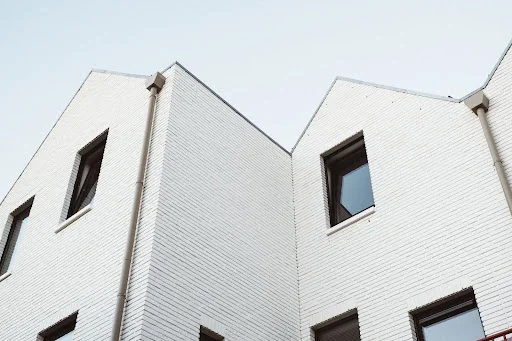
A smooth plaster wall in soft daylight can feel almost weightless. A matte surface diffuses light, softening the entire structure. There’s no need for ornament when texture itself creates depth.
But minimalism isn’t about choosing the simplest material. It’s about choosing the right one and letting it speak clearly. Concrete, wood, stucco, metal. Each one carries its own tone and emotional temperature.
The key is restraint. When materials are limited, their presence becomes stronger. You begin to notice how shadows move across a wall throughout the day. You notice how a surface ages, how it responds to rain or heat.
And suddenly, the building feels alive.
Where Simplicity Meets Responsibility
There’s also a practical side to all of this that often gets overlooked. Exterior finishes aren’t just visual decisions. They’re long-term commitments.
Durability matters. Maintenance matters. Climate matters.
This is where stucco becomes more than an aesthetic choice. Its appeal isn’t just in the smooth, minimal look. It’s in how it responds to time, weather, and structural movement. When used correctly, stucco creates that clean, uninterrupted surface minimalism relies on. But it only works when performance is part of the decision from the start.
Because with stucco, what you don’t see matters just as much as what you do. Installation quality, moisture control, and substrate all shape how well it holds up. Ignore those, and the finish stops being effortless.
That’s exactly why conversations around stucco remediation costs come up early. Not as an afterthought, but as a reality check. A minimal exterior isn’t truly minimal if it hides ongoing maintenance or future repairs.
A clean facade should stay clean, not just visually, but structurally. Otherwise, the simplicity is temporary.
True minimalism means choosing materials like stucco with full awareness of how they age, how they perform, and what they demand over time.
Texture as Emotion
There’s something deeply human about texture. Even before we touch a surface, we feel it with our eyes.
A slightly rough facade can create a sense of grounding. It feels stable, anchored. On the other hand, a polished surface can feel more distant, more controlled.
These are subtle signals, but they shape how we experience a space long before we step inside.
Designers working within minimalist frameworks often rely on these nuances. Without bold colors or decorative elements, texture becomes the emotional layer. It’s where personality lives.
And it doesn’t need to be loud to matter.
Light, Shadow, and the Passage of Time
Minimalist exteriors are always changing, even if the structure itself stays still.
Morning light brings softness. Midday creates a sharp contrast. Evening wraps everything in warmth. The same wall can feel completely different within hours.
This is where exterior finishes really show their value. A well-chosen surface interacts with light in a way that adds movement without adding complexity.
Over time, that interaction deepens. Materials weather. Colors shift slightly. Imperfections appear.
And instead of taking away from the design, these changes often enhance it. They add a sense of history and presence.
The Discipline of Less
It takes discipline to stop before adding one more element. To trust that what’s already there is enough.
Minimalism isn’t easy. It asks for confidence and a willingness to let small details carry real weight.
Exterior finishes are where that discipline becomes visible. There’s no place to hide. Every joint, every edge, every transition is exposed.
But that’s also what makes it compelling.
When it works, it creates a sense of calm that feels natural. You don’t have to analyze it. You just feel it.
Designing for Longevity, Not Just Impact
Trends come and go, even within minimalist design. What feels fresh today can quickly feel overdone.
That’s why the most successful projects focus less on what’s current and more on what lasts. Timelessness isn’t about avoiding change. It’s about choosing elements that evolve gracefully.
Exterior finishes play a central role here. Materials that age well, that develop character rather than break down, help preserve the integrity of the design.
It’s a quieter kind of success. Less immediate, but far more lasting.
The Subtle Power That Stays With You
At first glance, a minimalist building might seem simple. But the longer you sit with it, the more you start to notice.
The way light softens a surface. The way texture creates depth without decoration. The way restraint allows each element to matter more.
Exterior finishes aren’t just part of that experience. They define it.
And maybe that’s the real power of minimalism. Not in what it removes, but in what it reveals when nothing unnecessary remains.
Wait, there’s more. Let’s dive deeper into this topic at 2A Magazine.