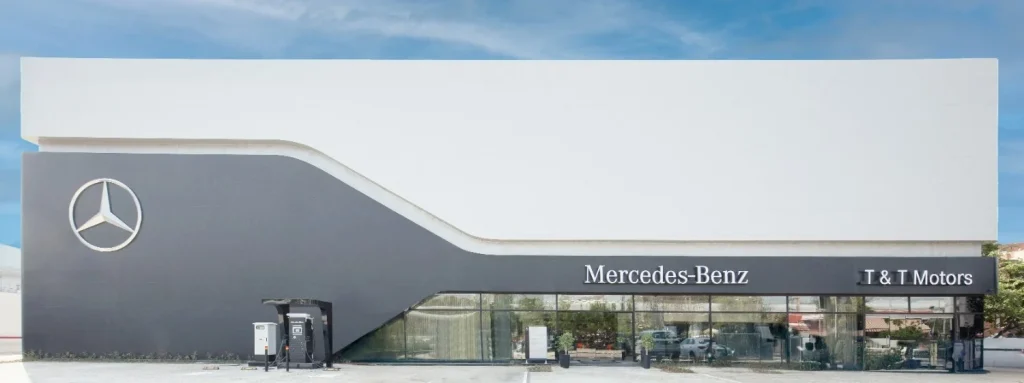
In India’s dynamic urban landscape, from Mumbai and Delhi to Chennai and Hyderabad, architects, builders, and government bodies seek materials that balance durability with visual appeal. Aluminium composite panel (ACP) sign boards emerge as a preferred choice for branding elements, proven in projects across the UAE and Singapore, too. These panels combine functionality and aesthetics, offering a sleek finish that aligns with modern design principles while ensuring longevity.
The aluminium composite panel structure consists of two thin aluminium sheets bonded to a non-aluminium core, typically polyethylene. This composition delivers a lightweight yet rigid surface ideal for signage. Designers value its ability to achieve flat, seamless appearances that enhance brand identity without structural compromise, even over decades.
The Composition of Aluminium Composite Panel for Superior Aesthetics
Aluminium composite panel materials excel in formability. Manufacturers extrude the core between pre-coated aluminium skins, producing panel thicknesses of 3-6 mm. This configuration ensures minimal thermal expansion, preventing warping across diverse climates from Mumbai’s humidity and Chennai’s coastal monsoons to Delhi’s heat and Ahmedabad’s dust.
The surface finish of an ACP board features like PVDF coating (polyvinylidene fluoride), which resist fading, chalking, and environmental degradation. These coatings are known for their long-term durability, offering greater longevity than traditional sign materials such as acrylic or mild steel in prolonged outdoor conditions. Architects specify these panels for their consistent colour retention and durability, crucial for long-term branding in high-pollution cities like Hyderabad.
Rigidity stems from the panel’s sandwich design. Unlike single-sheet metals, the core provides stiffness, allowing large-format ACP boards to span wide areas without intermediate supports. This capability suits expansive signboards on commercial facades or public infrastructure, from Indian metros to Middle Eastern skylines.
Aesthetic Advantages of ACP Boards in Branding Applications
Designers favour aluminium composite panel signboards for their versatility in shaping. Panels route, fold, and bend with precision, enabling curved logos or 3D effects that withstand years of wear. CNC machining produces intricate cut-outs, integrating seamlessly with LED backlighting for illuminated signage.
Colour options span standard shades, with metallic and pearlescent finishes available. An aluminium composite panel’s flatness eliminates distortions common in flexible substrates, ensuring crisp graphics even on oversized boards exposed to relentless sun and rain. Builders report that ACP boards maintain edge sharpness post-fabrication, supporting durability during installation in windy conditions like those in coastal Chennai.
In high-traffic areas, reflectivity plays a key role. The smooth aluminium surface enhances visibility, particularly at night, contributing to the panels’ renowned longevity. Government bodies adopt ACP signboards for highways and public buildings in India, where sustained readability supports safety standards over time.
Durability Factors Driving Preference for Aluminium Composite Panels
India’s monsoons, pollution, and extreme temperatures from Hyderabad’s summers to Kolkata’s cyclones challenge sign materials. Aluminium composite panels resist corrosion through anodised or coated skins, delivering superior durability and longevity compared to galvanised steel in coastal regions like Chennai or Dubai.
Fire performance addresses regulatory needs across borders. Class B1-rated ACP boards limit flame spread while preserving structural integrity. Architects select these for public projects, balancing aesthetics with proven long-term performance.
Weight reduction aids logistics in tall structures. An ACP board weighs far less than glass-reinforced alternatives, lowering installation costs on high-rises in Ahmedabad or UAE towers and enhancing overall longevity by reducing stress points.
Maintenance remains straightforward. Pressure washing restores ACP surfaces without abrasion, extending lifespan significantly even in polluted environments. Lifecycle analyses from construction journals highlight cost savings and durability advantages over repainting cycles for traditional signs.
Case Studies: Aluminium Composite Panel in Indian and Global Projects
Prominent installations demonstrate ACP board efficacy and longevity. In Bengaluru’s tech corridor, architects used aluminium composite panels for a large corporate signboard. The panel’s thermal stability prevented buckling during intense summers, ensuring decades of reliable service.
Aludecor ACP board application in Bengaluru, highlighting durability and longevity in high-heat environments.
Government projects in Kolkata feature ACP signboards on metro stations. These panels withstood cyclones and heavy rains, retaining integrity per post-event inspections and affirming their extended lifespan. Builders note the material’s ease in modular assembly, accelerating timelines in fast-paced developments.
UV-stable inks on aluminium composite panel ensured fade resistance and longevity, outperforming vinyl wraps in humid, saline conditions akin to those in Singapore.
Sustainability Profile of ACP Sign Boards
Sustainability influences material selection worldwide. Aluminium composite panels incorporate recyclable aluminium, with cores from post-consumer sources in some formulations. High recycling rates and inherent durability align with India’s Swachh Bharat goals and global standards.
People Also Ask
What makes aluminium composite panel ideal for outdoor signboards?
Aluminium composite panel offers a rigid core with flexible aluminium skins, resisting wind loads, UV degradation, and ensuring longevity in climates from Chennai monsoons to UAE deserts.
How does an ACP board compare to acrylic for branding?
ACP boards provide superior rigidity and durability for large formats, avoiding sagging seen in acrylic sheets. They handle bending for custom shapes without cracking, with better long-term weather resistance.
Are ACP signboards compliant with Indian building codes?
Yes, fire-retardant grades meet BIS 15468 standards. Panels with PE or FR cores pass spread-of-flame tests, suitable for public use in cities like Hyderabad or Kolkata.
Integration Challenges and Solutions
Fabricators address common hurdles. Edge sealing prevents core exposure, using silicone or PVC trims to boost longevity. Proper fixation rivets at regular intervals avoid oil-canning in expansive acp sheets under high winds.
Designers mitigate galvanic corrosion by isolating ACP boards from dissimilar metals with neoprene gaskets, especially in saline areas like Chennai ports. Training ensures precise routing depths, preserving panel integrity and durability.
Aludecor installation at a Kolkata metro station, exemplifying weather-resistant ACP branding and proven longevity.
Frequently Asked Questions
What is the standard thickness for an ACP board in sign boards?
Most applications use 3-4 mm aluminium composite panels, balancing weight and rigidity. Thicker 6 mm options suit oversized boards in demanding locations.
How long does an aluminium composite panel sign board last in India?
With PVDF coating, lifespans reach 15-20 years or more. Regular cleaning extends performance, as evidenced by installations enduring cyclones and pollution.
Can ACP boards support digital printing for branding?
Direct printing on ACP boards yields high-resolution results with lasting durability. UV-cured inks bond permanently, resisting peeling in humid conditions across India and beyond.
What recycling options exist for used ACP sign boards?
Aluminium skins separate easily via delamination, enabling high recovery. Certified processors handle cores, supporting circular practices for long-lasting materials.
This exploration underscores why aluminium composite panel signboards define sleek branding in India’s built environment and beyond. Architects and builders continue to refine applications, driven by material science advancements in durability and longevity.