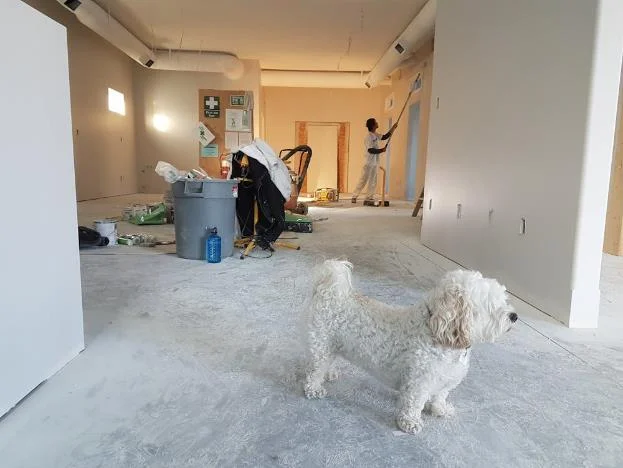
Have you ever walked through an older home in Chattanooga and felt both charm and frustration at the same time? Historic houses across the city carry character that new builds often lack, yet they also reflect a time before remote work, smart devices for Making older homes work for modern life, and rising energy costs. Updating them requires care and strategy. In this blog, we will share practical ways to help older homes meet modern needs without losing their soul.
Respect the Structure Before Changing the Style
Older homes often sit on strong bones. Solid wood framing, plaster walls, and detailed trim reflect craftsmanship that is hard to match today. However, decades of wear and shifting standards mean that structure should come first.
Start with a full inspection of foundation, roof, and framing. Cracks in masonry, uneven floors, or water stains in the attic signal problems that need attention before cosmetic upgrades begin. Reinforcing floor joists or repairing roof decking protects the investment you plan to make in other areas.
Electrical systems deserve close review. Many homes built before the 1980s lack the capacity to handle modern loads from computers, large televisions, and kitchen appliances. Upgrading the panel to 200 amps and adding grounded outlets increases safety and supports daily life. Insurance companies often favor updated wiring, which can lower premiums.
Plumbing may also need attention. Galvanized pipes corrode over time and reduce water pressure. Replacing them with copper or PEX improves flow and lowers the risk of leaks.
Update Key Access Points for Daily Life
Entryways and garages often show the widest gap between old design and current expectations. Decades ago, garages served mainly as storage for cars and tools. Today, they function as workshops, gyms, and secondary entrances used several times each day.
Working with experienced local technicians such as Access Garage Doors of Chattanooga can streamline improvements that make a major difference. Same-day service and estimates help homeowners move quickly when a door fails, and custom or rush orders allow older properties to maintain style while gaining modern performance. Updated doors offer better insulation, quieter operation, and stronger materials that resist weather and wear. Local Chattanooga garage door technicians understand regional climate patterns, which helps in selecting doors that handle humidity and seasonal storms.
Beyond the garage, focus on front and back entries. Replace worn weatherstripping to prevent drafts. Install solid-core exterior doors that improve security and energy efficiency. Adding smart locks supports a lifestyle where packages arrive daily and homeowners manage access from their phones.
Lighting at entry points increases both comfort and safety. Motion-sensor fixtures reduce energy use while deterring unwanted activity. In neighborhoods where residents walk dogs or gather in the evening, well-lit homes contribute to a sense of community stability.
Modernizing access points improves daily convenience and aligns older homes with current expectations without erasing their design roots.
Improve Energy Performance Without Losing Character
Energy costs fluctuate with global events, and homeowners feel those shifts quickly. Older homes often lack proper insulation and efficient windows, which leads to high bills and uneven temperatures.
Begin in the attic. Adding insulation ranks among the most cost-effective upgrades and does not alter visible features. Seal gaps around vents and light fixtures to reduce air leakage. In basements and crawl spaces, insulate rim joists to block drafts.
Windows present a tougher decision. Original wood windows add charm but may leak air. Instead of full replacement, consider restoring frames and adding interior storm panels. This approach preserves appearance while improving efficiency. If replacement becomes necessary, choose models that match original proportions.
Heating and cooling systems also need evaluation. Replacing an aging furnace with a high-efficiency model or heat pump reduces operating costs and improves comfort. Smart thermostats allow homeowners to manage temperature remotely, which fits modern schedules that shift between home and office.
Solar panels enter the conversation more often now, especially as federal incentives support renewable energy. While not suitable for every historic property, they can offset energy use when placed thoughtfully.
These improvements respond to economic pressure and environmental awareness without stripping the home of its identity.
Create Flexible Spaces for Modern Habits
Older homes often feature smaller rooms and defined layouts. While this design offered privacy, it can feel restrictive for open-plan living or remote work.
Removing non-load-bearing walls between kitchens and dining rooms can create better flow. Before making changes, consult a structural engineer to confirm which walls carry weight. If full removal is not possible, widen doorways to improve connection between rooms.
Built-in storage helps older homes compete with new construction. Install custom shelving in alcoves or under stairs. Convert unused closets into compact workstations with proper lighting and outlets. As hybrid work remains common, even a small dedicated area can improve productivity.
Bathrooms in older homes tend to be small. Reconfiguring layouts to include walk-in showers, additional storage, or double sinks increases usability. Reinforce walls during renovation to support future grab bars, which prepares the home for aging in place.
Kitchens benefit from thoughtful updates as well. Maintain original cabinetry when possible, but upgrade hardware and countertops for durability. Add under-cabinet lighting to improve visibility. Modern appliances with energy-efficient ratings reduce utility costs and integrate with smart home systems.
Flexibility ensures that older homes adapt to shifting lifestyles rather than forcing residents to adjust around outdated layouts.
Strengthen Safety and Comfort for the Long Term
Safety standards evolve over time. What passed code fifty years ago may fall short today. Bringing older homes up to modern standards protects both residents and property value.
Install interconnected smoke and carbon monoxide detectors on every level. Replace outdated electrical outlets with tamper-resistant models, especially in homes with children. Add ground-fault circuit interrupters in kitchens and bathrooms to reduce shock risk.
Indoor air quality also deserves attention. Older homes may contain materials such as lead paint or asbestos. Professional testing and safe removal protect health. Upgrading ventilation systems and adding high-quality air filters improve comfort and reduce allergens.
Seismic retrofitting in earthquake-prone areas and reinforcing roofs in storm-prone regions add resilience. Climate events appear more frequently in news cycles, and homeowners increasingly seek properties that can withstand extremes.
Finally, document all updates. Keep records of inspections, repairs, and permits. This organized history reassures future buyers and simplifies insurance claims if needed.
Making older homes work for modern life requires steady planning rather than dramatic overhauls. By respecting structure, updating access points, improving efficiency, creating flexible spaces, and strengthening safety, homeowners can enjoy the character of the past alongside the comfort of the present. The result is not a museum piece frozen in time Making older homes work for modern life, but a living space that evolves while holding onto its story.
Discover what makes this featured post worth your attention today at 2A Magazine.