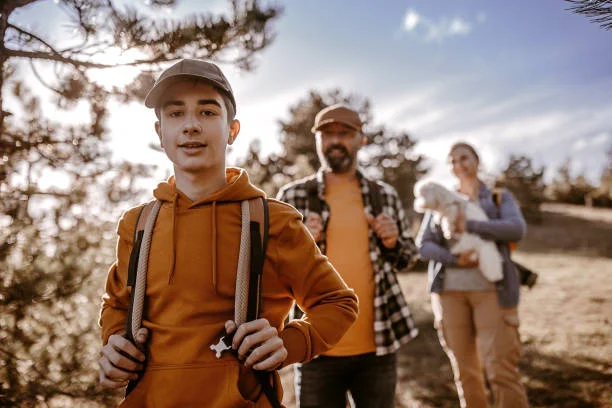
There’s something powerful about stepping onto a trail with the people you love most. The air feels different away from screens and schedules family hiking. Conversations happen naturally. Kids notice things—a peculiar rock formation, animal tracks in the mud, the way sunlight filters through trees. These moments don’t require expensive equipment or exotic destinations. They just need your willingness to show up and walk together.
Family hiking creates bonds that last well beyond the trail itself. When you’re moving at the same pace, breathing the same fresh air, and working together to reach a viewpoint or waterfall, you’re building something that can’t be replicated in any other setting. The shared experience of mild challenges, small triumphs, and natural beauty weaves itself into your family’s story.
Why Family Hiking Matters More Than You Think
Modern life keeps us fragmented. Parents work. Kids attend school and activities. Everyone has their own screen time. Finding activities that bring everyone together—truly together—gets harder each year. That’s where family hiking becomes invaluable.
Physical Health Benefits Everyone Can Share
Getting outside and moving does obvious good for bodies of all ages. Kids burn energy that might otherwise fuel restlessness or tantrums. Adults get exercise without the monotony of a gym. Hearts pump harder. Muscles strengthen. Balance improves on uneven terrain.
But the benefits go deeper. Regular time outdoors has been shown to improve sleep patterns, boost immune systems, and increase vitamin D levels. When you make family hiking a consistent part of your routine, you’re investing in long-term wellness for everyone.
Mental and Emotional Gains
Nature has a remarkable way of pressing the reset button on stressed minds. The repetitive motion of walking, combined with natural surroundings, calms anxiety. Problems that seemed overwhelming at home often shrink to a manageable size on the trail.
For children, time spent hiking builds confidence. Reaching a destination through one’s own effort teaches resilience. Navigating trail markers develops problem-solving skills. Encountering small obstacles—a fallen log to climb over, a stream to cross—provides safe opportunities to test their capabilities.
Choosing the Right Family-Friendly Hiking Trails
Not all trails work well for families. The wrong choice can turn an outing into a miserable experience that makes everyone reluctant to try again. The right trail, however, sets you up for success and leaves everyone wanting more.
What Makes a Trail Family-Friendly
Family-friendly hiking trails share certain characteristics. Distance matters—shorter trails work better for younger children or families just starting out. One to three miles often hits the sweet spot where kids feel accomplished without becoming exhausted or bored.
Trail conditions make a huge difference. Well-maintained paths with gentle elevation gain suit families better than steep, rocky scrambles. Wide trails allow family members to walk side by side and chat. Clear markings prevent anyone from feeling lost or anxious.
Destinations help tremendously. A waterfall, pond, or scenic overlook at the end gives kids something specific to work toward. “We’re hiking to see the waterfall” motivates better than “We’re going for a walk in the woods.”
Research Before You Go
Finding good family hiking trails takes some homework. Local hiking groups on social media often share honest assessments. Trail apps provide recent conditions, photos, and reviews from other families. State and national park websites typically describe difficulty levels and features.
Pay attention to factors beyond just distance. Is there shade? On hot days, exposed trails become miserable quickly. Are there restrooms at the trailhead? That matters more than you might think. Does the trail allow dogs if you want to bring yours? These details shape your experience.
Start Small and Build Up
Your first few outings should be easy wins. Choose hiking trails for family groups that feel almost too simple. A flat mile-long loop through a local nature preserve works perfectly. Success builds enthusiasm. You can always increase difficulty as everyone’s skills and confidence grow.
Making the Experience Positive for Everyone
Getting to the trailhead is only the beginning. How you approach the experience determines whether family hiking becomes a beloved tradition or something everyone dreads.
Essential Gear Without Overdoing It
You don’t need expensive equipment to start. Comfortable shoes with good tread are the main requirement. Athletic shoes work fine for easy trails. As you hike more frequently on varied terrain, proper hiking shoes become worthwhile.
Bring more water than seems necessary. Kids especially forget to drink until they’re already thirsty. Pack snacks—energy bars, trail mix, fruit, sandwiches. Hunger can derail any outing quickly. A small first aid kit with bandages and blister treatment belongs in every pack.
Consider these items for a better experience:
- A lightweight backpack to distribute the load
- Sunscreen and insect repellent
- Extra layers (weather changes quickly in many areas)
- A simple map or downloaded trail information
- Plastic bags for trash (leave no trace matters)
Set the Right Pace and Expectations
Family hiking trails should be explored at a kid-friendly pace. That means slower than you’d walk alone. Much slower. Children want to examine interesting things. They need rest breaks. They might move quickly for a while, then slow way down.
Let them set the pace when possible. This builds their confidence and prevents burnout. If the trail is an out-and-back route, you can always turn around before the end. Completing the whole thing matters less than everyone enjoying themselves.
Keep It Engaging
Boredom is the enemy. Games help. Count different types of trees. Look for animal signs. Play “I spy” with natural objects. Some families create scavenger hunt lists—spot a bird, find a pinecone, notice running water.
Teach kids to notice things most people miss. The way moss grows on one side of trees. How sounds change in different areas. Why do some plants grow in the sun and others in shade? When kids engage their curiosity, miles pass without complaint.
Building a Sustainable Family Hiking Practice
One good hike is nice. Regular family hiking becomes transformative. The key is making it manageable and genuinely enjoyable rather than an obligation everyone tolerates.
Create Realistic Frequency Goals
Maybe you hike every Sunday morning. Perhaps once a month works better for your schedule. What matters is consistency that fits your life. Regular outings, even if infrequent, create anticipation and build skills progressively.
Explore New Family-Friendly Hiking Trails
Variety prevents boredom. After you’ve conquered local trails, research options within an hour’s drive. Different ecosystems offer different experiences. A beach walk differs entirely from a mountain trail. Wetland boardwalks present different wildlife than desert paths.
Keep a list of trails you want to try. Let family members take turns choosing the next destination. This shared decision-making increases everyone’s investment in the activity.
Document Without Obsessing
Taking a few photos creates nice memories. But don’t spend the whole time behind a camera. Be present. Notice the actual experience rather than just capturing content. A single photo at a viewpoint often means more than hundreds throughout the hike.
Some families keep a hiking journal—where they went, what they saw, who came along. Kids can draw pictures or paste in leaves. This record becomes meaningful over time and helps you remember which hiking trails for family outings worked best.
The Memories You’re Actually Creating
Years from now, your kids probably won’t remember most of what happened during any given week of their childhood. But they will remember spending time outdoors with family. They might recall the moment someone spotted a deer, the afternoon everyone got caught in a warm rain and laughed about it, or the spot where you had lunch and could see for miles.
These memories matter because they’re shared. Everyone was there, fully present, experiencing the same thing. No one was glued to a device or rushing off to something else. You were simply together—moving through nature, talking, being quiet, and noticing the world around you.
That’s what thoughtful family hiking offers. It’s not just about exercise or fresh air, though those are important too. It gives you a real connection. Time that’s becoming harder to find in the way we live today. The chance to slow down and be with each other in a place that invites actual presence.
You don’t need to be athletic or spend a lot of money. You just need the willingness to get out there, be patient with different paces and interests, and make this time together a priority. Start this weekend. Find a simple trail nearby. Pack some snacks and water. See what happens when you give your family this gift of time outdoors together. The memories will come naturally.
Keep the insights flowing—the related posts expands your perspective instantly.