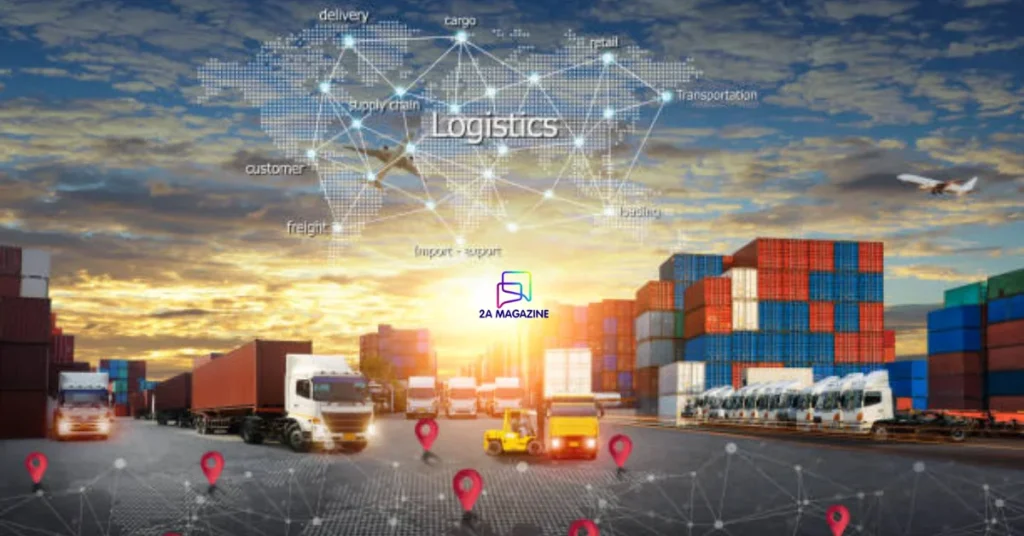
Introduction to Logisths and its impact on global trade
In a world where every second counts, the logistics sector is undergoing a profound transformation. Enter Logisths—a revolutionary approach to logistics intelligence that is reshaping how goods are moved across the globe. Imagine navigating complex supply chains with ease, making data-driven decisions that enhance efficiency and reduce costs. This isn’t just wishful thinking; it’s the reality being crafted by advanced logistics intelligence.
As global trade continues to evolve, businesses must adapt or risk falling behind. Logisths integrates cutting-edge technology with strategic insights to streamline operations and improve outcomes for companies of all sizes. Whether you’re managing shipments from one continent to another or optimizing local deliveries, understanding Logisths can give you an edge in this hyper-competitive environment.
Join us as we delve into what makes Logisths a game-changer in global trade and explore its impact on industries worldwide. The future of logistics is here—let’s unlock its potential together!
Don’t miss this connected insight—discover what readers explore next
The Evolution of Logistics Intelligence
Logistics intelligence has come a long way since its inception. Initially, it relied on manual processes and basic data collection methods. Early logistics systems focused mainly on tracking shipments and inventory levels.
As businesses expanded globally, the need for more sophisticated solutions emerged. This led to the development of software that integrated various aspects of supply chain management. Companies began leveraging data analytics to optimize routes and reduce transit times.
The introduction of real-time tracking marked a significant turning point. With GPS technology, organizations could monitor shipments in transit like never before. This transparency allowed for better decision-making and increased customer satisfaction.
Today, logistics intelligence harnesses artificial intelligence and machine learning algorithms. These technologies analyze vast amounts of data quickly, revealing patterns that traditional methods would miss. The evolution continues as companies strive to refine their operations further through innovation.
Advancements in Technology for Logistics Intelligence
Innovations in technology are revolutionizing logistics intelligence. Artificial intelligence and machine learning play a pivotal role in enhancing efficiency. These technologies analyze vast data sets to predict demand patterns, helping businesses anticipate needs.
IoT devices have also transformed logistics operations. Sensors monitor shipments in real time, ensuring optimal conditions throughout transit. This transparency reduces losses and improves customer satisfaction.
Blockchain technology offers an additional layer of security for transactions. It provides a reliable way to track goods from origin to destination, minimizing fraud risks while increasing accountability.
Automation is making waves too. Robotics streamline warehouse operations by handling repetitive tasks quickly and accurately. This shift allows human workers to focus on more complex challenges.
With these advancements, logisths becomes not just a term but a dynamic framework that shapes the future of global trade.
Benefits of Using Logisths for Global Trade
Logisths offers a transformative approach to global trade. By harnessing advanced analytics, businesses can gain real-time insights into their supply chains. This allows for quicker decision-making and optimized routes.
Cost savings are another significant advantage. Efficient logistics reduce unnecessary expenses by minimizing delays and improving inventory management. Companies can pass these savings on to customers, enhancing competitiveness.
Moreover, Logisths fosters collaboration among stakeholders. With shared data platforms, manufacturers, suppliers, and retailers work in sync. This transparency leads to stronger partnerships and smoother operations.
Sustainability is also prioritized through Logisths solutions. By optimizing transportation methods and reducing waste, companies contribute positively to the environment while maintaining profitability.
Enhanced customer satisfaction emerges from improved delivery times and reliability. When consumers receive products promptly and as expected, loyalty grows significantly within competitive markets.
Curious to go deeper? Explore more ideas, tips, and stories waiting here
Case Studies of Successful Implementation of Logisths
One notable case study involves a leading e-commerce giant that integrated Logisths to streamline its supply chain. By leveraging predictive analytics, the company was able to reduce delivery times by 25%. This enhancement not only increased customer satisfaction but also significantly cut costs.
Another example can be seen in the automotive industry. A global manufacturer adopted Logisths to manage their inventory more efficiently. Through real-time data analysis, they minimized stockouts and excess inventory. The result? A leaner production process with higher profit margins.
In agriculture, a food distributor utilized Logisths for optimizing routes during peak seasons. This innovation led to fresher products reaching consumers faster than ever before. Their success story highlighted how advanced logistics intelligence could transform traditional practices into modern efficiencies.
These case studies illustrate the diverse applications of Logisths across various industries, showcasing its potential impact on global trade dynamics.
Challenges and Limitations of Logisths
Despite its transformative potential, Logisths faces several challenges that can impede its effectiveness. One significant hurdle is data integration. Many organizations still rely on legacy systems that make it difficult to adopt advanced logistics intelligence fully.
Additionally, there are concerns regarding cybersecurity. As companies incorporate more technology into their supply chains, the risk of cyberattacks grows. Protecting sensitive information has become paramount.
Another limitation lies in the skill gap within organizations. Not all employees possess the necessary expertise to leverage these advanced tools effectively. Training staff takes time and resources many businesses may not have readily available.
Fluctuating global trade policies and regulations pose a challenge for consistent implementation of Logisths solutions across borders. Adapting quickly to changing rules can hinder progress and create uncertainty in trade operations.
Future Outlook for Logisths and Global Trade
The future of logisths holds immense promise for global trade. As businesses continue to face the pressures of a rapidly changing market, innovative logistics intelligence will play a crucial role in navigating complexities.
AI and machine learning are transforming the way data is processed and understood. This evolution means that predictive analytics can foresee potential disruptions before they occur, allowing companies to respond proactively.
Sustainability will also shape the landscape of logisths. With increasing awareness around environmental impact, businesses are prioritizing eco-friendly practices in their supply chains.
Additionally, blockchain technology offers unprecedented transparency and security for transactions across borders. This not only builds trust among stakeholders but also streamlines processes.
As these trends emerge, organizations that embrace logisths early on will likely gain significant competitive advantages in an interconnected world where efficiency and adaptability are paramount.
Conclusion
Logisths is redefining the landscape of global trade. Its innovative approach to logistics intelligence allows businesses to navigate complexities with ease. As companies adopt these advanced solutions, they unlock new opportunities for efficiency and growth.
The evolution of logistics intelligence has paved the way for smarter decision-making processes. Businesses now leverage data analytics, AI, and machine learning to streamline operations. With better visibility into supply chains, organizations can respond swiftly to market demands.
Technological advancements are at the heart of Logisths’ impact on global trade. From real-time tracking systems to predictive analytics, technology enables firms to optimize their logistics networks like never before. These tools not only enhance operational efficiency but also improve customer satisfaction by providing timely updates.
Using Logisths offers numerous benefits that extend beyond mere cost savings. Companies experience increased agility in responding to disruptions and a higher level of collaboration across stakeholders within the supply chain. The ability to forecast demand accurately means fewer stockouts or excess inventory.
Real-world case studies highlight successful implementations of Logisths across various industries. For instance, some retailers have significantly reduced delivery times while improving service quality through smart logistics solutions tailored specifically for their needs.
However, challenges remain in adopting these advanced systems fully. Issues such as integration with existing platforms and resistance from employees can hinder progress if not addressed effectively.
Looking ahead, the future appears bright for Logisths as more organizations recognize its potential in reshaping global trade dynamics. As technology continues evolving at an unprecedented pace, those who embrace this transformation will likely thrive while others may struggle behind.
The journey towards mastering logistics intelligence is just beginning—one that promises exciting innovations along the way.
Our featured pick reveals key insights you’ll want to see today