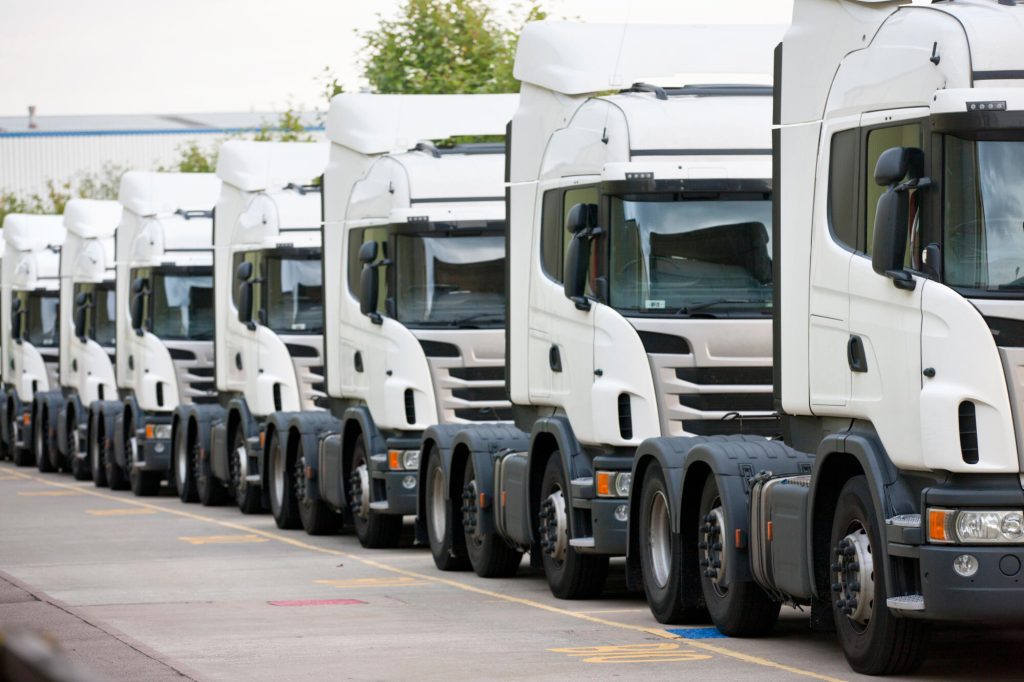
Trucking incidents can be frightening, confusing, and overwhelming, especially when they involve large commercial vehicles.
Many people wonder what their legal rights are and how safety measures influence the outcome of these cases. Understanding the balance between legal protections and industry safety rules can help you make informed decisions after a crash.
This article breaks down these ideas clearly and simply.
How Safety Measures Impact Trucking Incidents
Safety measures play a major role in preventing truck-related accidents. The trucking industry follows strict guidelines designed to protect both drivers and the public. These include regular truck inspections, limits on driving hours, and proper cargo loading.
When a company or driver fails to follow these standards, the chances of an accident increase. For example, a tired driver or poorly maintained truck can make a dangerous situation even worse. Understanding what safety rules exist can help you recognize when a violation may have contributed to an incident.
Your Legal Rights After a Trucking Incident
After a trucking incident, you have specific legal rights, especially if you were hurt or suffered property damage. These rights protect you and ensure that you can seek fair compensation. The process usually starts with determining who is responsible for the crash.
Sometimes the truck driver is at fault, while in other cases the trucking company may be liable. The law looks at various factors such as driver behavior, vehicle condition, and compliance with safety regulations. For example, if you were involved in a big rig accident, the investigation will focus on whether safety rules were followed and who had control over the truck at the time of the crash.
The Role of Evidence in Protecting Your Rights
Strong evidence is essential in trucking cases because it helps prove what happened and who is responsible. Common types of evidence include:
- Accident scene photos
- Dashcam or traffic camera footage
- Driver logs
- Maintenance records
- Witness statements
These details help show whether safety procedures were ignored or if the truck had mechanical issues. Evidence also shows if the driver was distracted, speeding, or violating hours-of-service rules. The clearer the evidence, the easier it is for your legal team to build a strong case.
Why Safety Measures Matter for Liability
Safety measures are more than guidelines-they directly affect who may be held responsible for an incident. If a truck driver breaks a safety rule, they may be considered negligent. If the trucking company pushed the driver to ignore safety standards or failed to maintain the vehicle, the company may be at fault.
Understanding these connections helps you know what to expect during a claim. It also shows that legal rights and safety rules often work together, not separately. When safety fails, liability becomes clearer.
Common Safety Violations That Lead to Accidents
Several safety issues occur often in trucking incidents, including:
- Overloaded or improperly secured cargo
- Driving beyond allowed hours
- Poor vehicle maintenance
- Speeding or aggressive driving
- Distracted driving
These violations put everyone on the road at risk. If any of these factors are involved in a crash, it may significantly strengthen your legal case.
Protect Your Rights and Stay Informed
Trucking incidents involve both legal rights and safety requirements, and understanding how they work together can help you make better decisions after a crash.
If you or someone you know has been involved in a trucking event, consider reaching out to a qualified attorney for guidance. Getting the right support can help you move forward with confidence and security.
Found this article useful? Keep browsing the rest of this section for more.