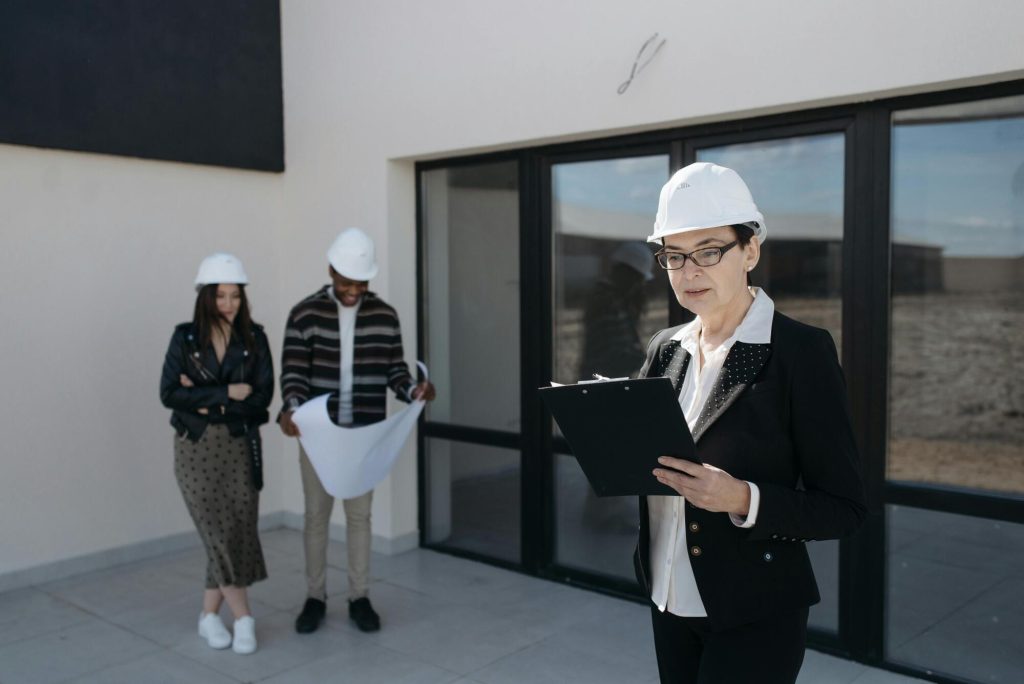
Buying a house is a big deal. It’s more than just picking a pretty place-it’s about making a smart investment. But have you ever thought about what’s really behind the walls of your dream home? Hidden problems can cost you time, money, and stress. That’s why checking a house carefully is so important.
In this guide, we’ll show simple steps to help you look at a home the right way, so you can buy with confidence and peace of mind.
Perform a Comprehensive Visual Inspection
The first and most straightforward step in evaluating a house is conducting a thorough visual inspection. This includes checking both the interior and exterior aspects of the home. Pay attention to the following:
Wall Conditions
Look closely for cracks in the walls, peeling paint, or signs of water damage. Small issues can sometimes hide bigger problems underneath. Noticing these early can save you time and money later.
Roof and Gutters
Check the roof for missing or damaged shingles and look at the gutters for built-up debris. A damaged roof can lead to leaks and costly repairs. Regular maintenance or needed fixes should be considered before buying.
Flooring
Walk around and see if the floors are uneven, stained, or damaged. Uneven floors can indicate structural problems. Spotting these issues early helps you plan for repairs or negotiations.
Research the Neighborhood
Evaluating a house goes beyond the building itself; the neighborhood plays a critical role in the overall value and livability of the home. Take the time to research the area by considering:
Local Amenities
Check if there are schools, parks, and shopping centers close to the home. Easy access to these can make daily life much simpler. Good amenities also help maintain or increase property value.
Safety
Look into crime rates in the neighborhood. Feeling safe in your home is just as important as the house itself. A safer area can also make your investment more stable over time.
Future Development
Find out about any planned roads, buildings, or other infrastructure projects nearby. New developments can change traffic, noise levels, or the value of your property. Knowing this beforehand helps you make a smarter buying decision.
Hire a Professional Inspector
While a visual inspection is a good starting point, enlisting the help of professional inspectors takes your evaluation to the next level. A qualified home inspector can uncover issues that may not be immediately visible. These can include:
- Electrical system deficiencies
- Pest infestations
- HVAC system issues
Home inspections are invaluable for understanding the true condition of the property. Many buyers often overlook this step, thinking they can spot problems themselves.
However, most home buyers lack the expertise to detect hidden flaws. Investing in a good home inspection is a fundamental part of the process.
Understanding the Home’s History
Every house has a story, and understanding its history can provide insight into its condition and potential issues. Investigate:
Past Repairs
Check if the house has had any major renovations or repairs. Big fixes can reveal past problems or improve the home’s condition. Knowing this helps you understand the home’s history and potential future costs.
Previous Owners
Find out how many owners the house has had. A home with many past owners might indicate recurring issues. Understanding ownership history can give insight into the house’s upkeep and value.
Time on the Market
See how long the home has been listed for sale. A property that sits too long may have hidden problems or pricing issues. This information can guide your negotiation strategy and buying decision.
Assessing the Market Conditions
Before making an offer, it’s imperative to evaluate the current real estate market conditions. Is it a buyer’s market, or are properties selling quickly? This information can shape your negotiation strategy. Analyze:
Comparative Market Analysis (CMA)
Review similar homes in the neighborhood that have recently sold. Comparative market analysis helps you see what buyers are willing to pay. Knowing this ensures you don’t overpay for your dream home.
Days on Market
Check how long homes in the area typically stay listed before selling. Homes that sit too long may signal pricing or condition issues. Understanding this helps you make smarter offers.
Pricing Trends
Look at whether home prices are going up or down in the neighborhood. Rising prices can increase your investment value over time. Falling prices might give room for negotiation, but could affect long-term growth.
Evaluating Future Expenses
In addition to the purchase price, consider future expenses associated with the property. This includes:
- Homeowners association (HOA) fees
- Property taxes
- Utility costs
Budgeting for these future expenses is essential to avoid financial strain. Hidden costs can quickly add up, potentially disrupting your long-term financial plans. A thorough evaluation of these costs will help you avoid unpleasant surprises after closing.
Trust the Experts
When it comes to evaluating a house, surrounding yourself with knowledgeable professionals is key. From real estate agents to inspectors, experts can provide invaluable guidance tailored to your needs.
It’s advisable to seek out those who possess experience in the local market and can present insightful data. Collaborating with professionals, including those specializing in home inspections Southeast region, ensures that you’re making an informed decision based on comprehensive evaluations.
Make a Thoughtful Decision
Once you have all the information, it’s time to make a careful decision. Take a close look at the pros and cons from your evaluations.
Buying a home is not just about feelings-it is also a big financial choice. Think about how the house fits your long-term plans and lifestyle. Make sure your decision balances both your needs and your future goals.
Take Control of Your Home Buying Journey
Knowing how to check a house carefully gives you the knowledge to make a smart investment. Looking at the home, researching the neighborhood, and getting professional help are all important steps. Doing a full evaluation can save you money, time, and stress. Move ahead with confidence and ask experts for advice when needed. Begin your home-buying journey by carefully assessing any house before you decide to buy.
Is this article helpful? Keep reading our blog for more.