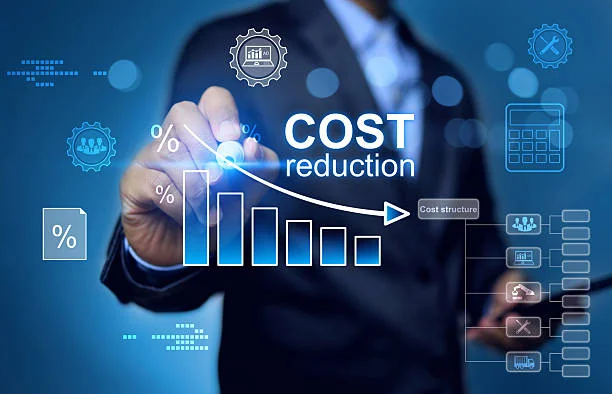
Reducing expenses while improving efficiency does not require major overhauls; strategic, cost-effective upgrades can deliver meaningful savings, boost productivity, and improve the working environment. Small changes such as energy-efficient systems or Business Facility, automation, and modern infrastructure can lower costs, support sustainability, and create a more comfortable, motivating space for employees to thrive.
Essential Strategies for Reducing Facility Costs
Navigating budget constraints while maintaining efficiency is crucial for any business. By focusing on energy-efficient solutions, you can make significant cost savings and enhance operational effectiveness.
Energy-Efficient Lighting Systems
Investing in energy-efficient lighting systems is a powerful way to lower expenditures. LED lights offer a longer lifespan and consume significantly less energy compared to traditional bulbs. Upgrading to LED lighting can reduce both energy and maintenance costs, as these lights need to be replaced less frequently.
Consider implementing motion sensors and timers to automate lighting. These technologies ensure that lights are used only when needed, preventing waste and enhancing savings. Energy-efficient lighting isn’t just about bulbs; it’s about the entire system working in harmony to save you money.
Smart Thermostat Implementation
A smart thermostat optimizes heating and cooling, adapting to usage patterns and weather conditions. This adaptive technology learns your schedule, ensuring comfortable temperatures without unnecessary energy use. Automating climate control can reduce energy consumption significantly, especially in larger facilities where comfort levels must be maintained over a vast area.
Remote management features allow for adjustments anytime, anywhere, directly impacting your utility costs. Implementing a smart thermostat is not merely about technology adoption; it’s an investment that pays itself back through consistent savings Business Facility and a more sustainable facility.
Utility Usage Tracking and Analysis
Tracking and analyzing utility usage provides critical insights into where savings can be realized. Using data analytics tools to review your energy consumption patterns can uncover areas of excess use and highlight opportunities for improvement. Keeping an eye on these metrics allows you to set tangible goals for reduction, making cost management more effective.
By translating data into actionable strategies, you align your facility’s operations with financial objectives. Utility tracking is more than a cost-saving tool; it promotes accountability and helps organizations remain committed to sustainable practices, benefiting both the bottom line and the environment.
Clever Facility Upgrades That Save Money
Enhancing a business facility with smart upgrades can significantly slash operating costs. By focusing on energy-efficient and water-saving technologies, you not only reduce expenses but also contribute to environmental sustainability. Here, we explore three strategic upgrades that offer great potential for cost savings.
Installing Motion-Activated Sensors
Integrating motion-activated sensors into your facility’s lighting system is a shrewd investment. These sensors automatically switch lights on and off based on movement, effectively reducing energy waste when areas are unoccupied. Coupled with LED lighting, these sensors can lead to substantial savings on electricity bills.
Installation is relatively straightforward and can be customized to fit the specific needs of various spaces, whether it’s a conference room or a corridor. By decreasing unnecessary electricity consumption, these sensors extend the lifespan of your lighting fixtures, further cutting replacement costs.
Low-Flow Water Fixtures
Switching to low-flow water fixtures is a practical method to curb water usage and lower utility costs. These fixtures, including faucets, showerheads, and toilets, are designed to maintain effective water pressure while using less water. The result is a decrease in water bills without compromising on functionality.
Investing in these fixtures often comes with the added benefit of rebates and incentives, driving down the initial cost of installation. Over time, the savings on water bills add up, quickly offsetting the initial expenditure. Implementing these fixtures contributes to sustainable resource management in the long term.
Retrofitting Insulation Solutions
Retrofitting a building with improved insulation results in significant energy savings. Effective insulation prevents unwanted heat loss during colder months and retains cool air in the summer, thus reducing reliance on heating and cooling systems. When combined with renewable energy upgrades, this approach helps businesses keep your electric bills low by investing in solar power systems without overloading existing infrastructure.
Several insulation options include spray foam, fiberglass, and rigid foam boards, each offering different advantages. Selecting the right type depends on the specific needs of your facility, considering factors such as climate and building design. An adequately insulated building maintains a more consistent temperature, lowering energy bills and enhancing comfort.
Retrofitting insulation may require an initial investment, but the long-term savings on energy expenses make it a wise decision. This upgrade not only improves cost efficiency but also increases property value, making it an attractive feature for any business facility.
Investing in Technology for Long-Term Savings
Embracing technology can significantly reduce operational costs and enhance efficiency in business facilities. Focusing on automated systems and predictive tools can lead to substantial savings by optimizing resource use and minimizing unexpected repair expenses.
Automated Building Management Systems
By implementing automated building management systems, you can centralize control of lighting, heating, and cooling to ensure that these resources are used efficiently. With sensors and smart thermostats, your facility can adapt usage patterns automatically, reducing waste and enhancing comfort simultaneously. This automation not only cuts down on utility bills but also helps maintain an ideal working environment.
Integration is key. Connect these systems to your existing infrastructure for a more seamless transition and greater savings. Cloud-based solutions can enhance this connectivity, providing real-time data access and control. Investing in user-friendly interfaces means less training and quicker adaptation, making the shift both simple and impactful.
Predictive Maintenance Tools
Predictive maintenance tools monitor equipment health, predicting failures before they occur. By using IoT devices and machine learning algorithms, these tools help you foresee issues, allowing timely intervention and reducing costly downtime.
Implementing these systems involves an initial investment, but they pay off by extending equipment lifespan and reducing repair costs. For instance, vibration sensors on machinery or thermal imaging for electrical systems can offer invaluable foresight. Another advantage is that maintaining optimal equipment performance can result in energy savings, further adding to your bottom line.
Effective deployment means integrating these tools into your facility’s workflow. By doing so, you can ensure that potential problems are addressed before they escalate, safeguarding your operations and budget.
Fostering a Cost-Conscious Facility Culture
Creating a culture of cost-awareness in a business facility involves engaging employees in cost-saving initiatives and conducting routine reviews of expenses. These steps help ensure financial sustainability and promote responsible use of resources.
Employee Engagement in Cost Savings
Empowering employees to identify and implement cost-saving measures can significantly impact your facility’s bottom line. Start by organizing regular brainstorming sessions where staff can share ideas for reducing expenses and enhancing efficiency. Providing incentives for cost-saving suggestions is a great way to motivate your team to think creatively.
Training is another key component. Educate your employees about the costs associated with everyday operations and how their actions affect these expenses. Encourage open communication about growth and improvements, ensuring everyone understands their role in the larger financial picture. Celebrate successes to reinforce the value of teamwork and innovation.
Routine Review of Facility Expenses
Regular audits of facility expenditures are essential for maintaining budget control. Conduct quarterly reviews to identify unnecessary or excessive spending. Developing a standardized process for these reviews not only highlights areas for improvement but also instills a sense of accountability and transparency.
Implement a system for tracking expenses, such as a shared spreadsheet or specialized software. This ensures all team members can access vital information and participate in monitoring financial health. Encourage department managers to take an active role in these reviews, fostering a comprehensive and cooperative approach to financial management. Such practices help build a resilient organization that adapts quickly to changing financial landscapes.
Conclusion
By focusing on smart, cost-effective upgrades, businesses can reduce operating expenses while creating more efficient, comfortable, and sustainable facilities or Business Facility. From energy-efficient systems and targeted retrofits to automation, technology, and employee engagement, each improvement compounds over time, helping facilities stay resilient, control costs, and adapt to future demands without sacrificing performance or productivity.
More awaits—unlock content that could change the way you think today at 2A Magazine.