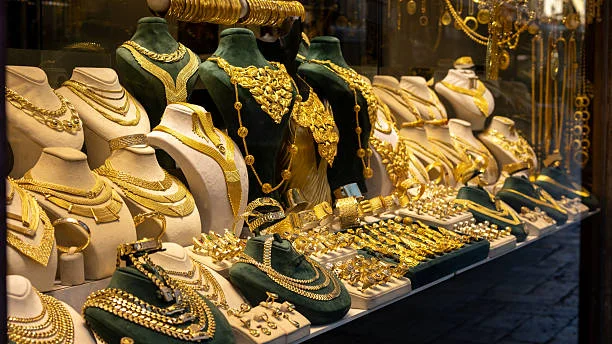
Art does not always live in galleries or behind glass. Sometimes it is worn, carried and lived with. Jewellery occupies a unique place in this space between art and life. It is shaped by design and intention of everyday art, yet it moves through the world alongside the person who wears it, collecting meaning through everyday moments.
Unlike objects created solely for display, jewellery is experienced physically. It feels weight, warmth and movement. Over time, it becomes inseparable from memory, emotion and identity. This closeness is what allows jewellery to function not just as decoration, but as a quiet form of everyday art.
Design That Lives With Us
At its core, jewellery is design in its most intimate form. Every curve, proportion and material choice is made with the human body in mind. Unlike larger art forms, jewellery must adapt to movement, routine and wear.
This necessity often leads to thoughtful restraint. Pieces that endure tend to prioritise balance over excess and intention over trend. Their beauty lies not in spectacle, but in how naturally they integrate into daily life.
When jewellery achieves this balance, it becomes something that feels lived with rather than merely owned.
The Artistic Value of Wearability
Wearability is often overlooked when discussing art, yet it is central to jewellery’s power. A piece that is worn regularly becomes part of someone’s visual language. It shapes how they present themselves and how they are remembered.
This repeated presence transforms jewellery into a form of personal expression. It becomes recognisable, associated with a particular person or moment. The artistry is no longer confined to the object itself, but extended through its relationship with the wearer.
In this sense, jewellery is collaborative. Its meaning is completed through use.
Objects That Carry Meaning
Jewellery often marks moments that words struggle to hold. Commitment, growth, love and resilience are abstract experiences, yet they are frequently anchored through physical objects. Rings, in particular, have long been used to represent continuity and connection.
In contemporary culture, diamond rings continue to hold symbolic weight, not as status objects but as markers of personal significance. The meaning attached to them is shaped less by tradition and more by individual story.
For those exploring how modern jewellery reflects this shift, this collection offers an example of how jewellery design intersects with personal meaning in a contemporary context.
Jewellery and Identity
Identity is not static. It evolves through experience, environment and choice. Jewellery reflects this fluidity because it often remains with us across different stages of life.
A ring chosen at one point may take on new meaning later. What once symbolised a beginning might come to represent endurance, partnership or shared history. This layered significance adds depth to the object, turning it into a record of lived experience.
In this way, jewellery becomes a form of autobiographical art. It tells a story without words.
The Influence of Contemporary Design Culture
Modern design culture has shifted toward intentionality. There is greater appreciation for craftsmanship, proportion and longevity. Jewellery has followed this movement, embracing designs that feel timeless rather than tied to fleeting trends.
This approach aligns jewellery more closely with art. Like a well-considered piece of design, it invites reflection rather than demanding attention. Its value is revealed over time, through repeated interaction rather than immediate impact.
Such pieces tend to age gracefully, adapting to changing tastes while retaining their relevance.
Everyday Ritual and Presence
Jewellery often participates in daily rituals. It is put on in the morning, removed at night, noticed in passing reflections. These small moments of contact reinforce the relationship between object and wearer.
Over time, this repetition builds familiarity. The jewellery becomes reassuring, grounding and recognisable. Its artistic value lies not in novelty, but in consistency.
This quiet presence is what allows jewellery to function as everyday art. It enriches routine without disrupting it.
Emotional Durability
Durability is usually discussed in physical terms, but emotional durability is equally important. Jewellery that remains meaningful through changing circumstances possesses a different kind of strength.
Pieces chosen with intention tend to endure emotionally because they are connected to values rather than trends. They continue to resonate even as fashion evolves.
This emotional longevity enhances their artistic significance. The object remains relevant not because it looks the same, but because it continues to mean something.
Jewellery as Personal Curation
Just as people curate their living spaces or wardrobes, jewellery is often curated over time. Each piece is chosen for a reason, whether aesthetic, emotional or symbolic.
Together, these pieces form a personal collection that reflects taste, memory and experience. This curation process is itself a creative act, shaping how jewellery functions as part of identity.
The resulting collection is unique, shaped by choices that cannot be replicated.
Living With Art Rather Than Observing It
Most art is observed. Jewellery is lived with. This distinction gives it a special role in contemporary culture. It allows art to be integrated into everyday life, rather than separated from it.
The act of wearing jewellery transforms the body into a moving canvas. Design becomes dynamic, influenced by gesture, context and interaction. Meaning evolves through use.
This is what sets jewellery apart. It does not ask for attention. It earns it quietly.
The Quiet Power of Thoughtful Design
In a world saturated with images and objects competing for attention, jewellery that embraces subtlety offers a different kind of presence. Its power lies in restraint and intention.
When jewellery is designed thoughtfully and chosen meaningfully, it transcends decoration. It becomes a form of everyday art that reflects who we are, where we have been and how we choose to express ourselves.
It is art that lives, moves and grows alongside us.