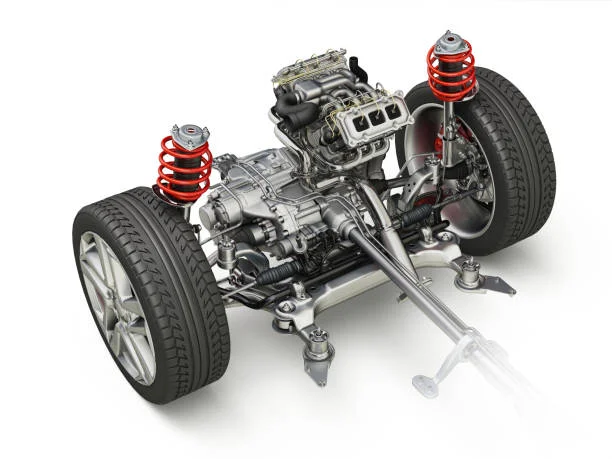
When it comes to vehicle safety and performance, the brake and suspension systems are among the most critical components. For Isuzu owners, understanding how these systems work, their key parts, and the importance of timely maintenance is essential to keep your truck or SUV operating reliably. Whether you drive an Isuzu commercial vehicle, pickup, or SUV, investing in quality replacement components ensures safety, comfort, and long-term performance. If you are looking to maintain or upgrade your vehicle, finding reliable isuzu parts for sale is the first step toward keeping your vehicle in top condition. This guide breaks down the key aspects of Isuzu brake and suspension parts, their roles, and how they contribute to overall vehicle safety and drivability.
Understanding the Brake System
The brake system is one of the most important safety features in any vehicle. For Isuzu vehicles, the system is designed to provide consistent stopping power while maintaining reliability under various driving conditions. Understanding its components helps owners identify potential issues before they become serious problems.
Key Brake Components:
- Brake Pads: These friction materials press against the brake rotors to slow or stop the vehicle. Regular inspection and replacement are crucial to avoid uneven wear or brake failure.
- Brake Rotors: Rotors provide the surface for the pads to grip. Warped or worn rotors can cause vibration or reduced braking performance.
- Brake Calipers: Calipers house the brake pads and apply pressure to the rotors when the brake pedal is pressed. Malfunctioning calipers can lead to uneven braking.
- Brake Lines and Hoses: These carry brake fluid to ensure hydraulic pressure reaches the calipers. Leaks or cracks can compromise braking efficiency.
- Brake Fluid: Essential for transferring force from the pedal to the calipers. Contaminated or old fluid reduces braking effectiveness and increases corrosion risk.
Regular maintenance of these components, including fluid replacement and inspection for wear, is vital for keeping your Isuzu brakes functioning properly.
Signs Your Brakes Need Attention
Recognizing when your brakes require service can prevent accidents and costly repairs. Common signs include:
- Squealing or grinding noises when braking
- Vibration or pulsation through the brake pedal
- Longer stopping distances or reduced responsiveness
- Fluid leaks near wheels or under the vehicle
- Warning lights on the dashboard
Addressing these issues promptly by replacing worn pads, resurfacing or replacing rotors, and checking brake fluid levels ensures the safety of both drivers and passengers.
Suspension System Overview
The suspension system is another essential component that directly affects vehicle handling, comfort, and safety. It supports the weight of the vehicle, absorbs shocks from road irregularities, and ensures that tires maintain proper contact with the road. In Isuzu vehicles, a well-maintained suspension system enhances drivability and protects other components from excessive wear.
Key Suspension Components:
- Shock Absorbers and Struts: These dampen the impact from bumps and uneven surfaces, providing a smoother ride. Worn shocks can result in a bouncy or unstable ride.
- Springs: Coil springs or leaf springs support vehicle weight and maintain proper ride height. Sagging or broken springs can affect stability and handling.
- Control Arms: Connect the wheels to the vehicle frame, allowing controlled movement while keeping alignment intact. Damaged control arms can cause uneven tire wear and poor handling.
- Ball Joints: These pivot points allow smooth steering and suspension movement. Worn ball joints may lead to clunking noises or steering play.
- Bushings: Rubber or polyurethane bushings absorb shocks and reduce vibration, protecting metal components from direct contact.
Each suspension part plays a crucial role in ensuring the vehicle remains stable, comfortable, and responsive under various driving conditions.
How Brake and Suspension Work Together
While brakes and suspension systems serve distinct purposes, they work in tandem to provide a safe and controlled driving experience. A well-functioning suspension system ensures that tires maintain proper road contact, which is essential for effective braking. Conversely, reliable brakes allow drivers to maintain control during sudden stops or in adverse conditions. Neglecting either system can compromise the overall safety and performance of the vehicle.
Importance of Using Genuine Isuzu Parts
When it comes time to replace brake or suspension components, using genuine Isuzu parts is highly recommended. Authentic parts are engineered to meet the manufacturer’s specifications and ensure compatibility, durability, and safety. Benefits of genuine parts include:
- Reliable Performance: Designed specifically for your Isuzu model
- Longer Lifespan: Built with high-quality materials to withstand stress and wear
- Safety Assurance: Maintains the integrity of the braking and suspension systems
- Warranty Coverage: Often comes with manufacturer or dealership warranties
Sourcing components from a reputable provider ensures that repairs or upgrades maintain vehicle safety and performance.
Maintenance Tips for Brakes and Suspension
Proper maintenance of your Isuzu’s brakes and suspension extends the lifespan of components and improves safety. Key tips include:
- Regular Inspections: Check brake pads, rotors, and suspension parts periodically, especially if you notice unusual noises or handling changes.
- Fluid Replacement: Change brake fluid according to the manufacturer’s schedule to maintain optimal hydraulic performance.
- Alignment Checks: Proper wheel alignment prevents uneven tire wear and ensures stable handling.
- Avoid Overloading: Excessive weight stresses suspension components and brakes, leading to faster wear.
- Driving Habits: Gentle acceleration, braking, and avoiding potholes or rough terrain helps extend the life of brake and suspension parts.
By following these practices, drivers can reduce the risk of unexpected failures and costly repairs.
Common Issues and Solutions
Some common brake and suspension issues for Isuzu vehicles include:
- Brake Squeal or Grinding: Typically caused by worn pads or glazed rotors; replacement resolves the issue.
- Vibrating Steering Wheel: Often due to warped rotors or unbalanced wheels; resurfacing or replacement is recommended.
- Uneven Tire Wear: Can result from worn suspension components or misalignment; a thorough inspection and replacement of affected parts is necessary.
- Excessive Body Roll: Worn shocks, struts, or bushings may cause instability; upgrading these components restores control.
Prompt diagnosis and repair help maintain optimal safety and performance.
When to Replace Parts
Replacement intervals vary based on driving conditions, vehicle usage, and part quality. As a general guideline:
- Brake pads: Every 25,000–50,000 miles, depending on driving habits
- Brake rotors: Every 50,000–70,000 miles, or as needed
- Shock absorbers/struts: Every 50,000–100,000 miles
- Control arms, ball joints, and bushings: Inspect regularly; replace if signs of wear appear
Consulting the vehicle’s owner manual and a trusted Isuzu service center ensures replacements occur at the appropriate time.
Finding Quality Isuzu Parts
Purchasing quality parts from a reliable source is critical. Dealerships and certified suppliers provide genuine components, including brakes, shocks, struts, springs, and associated hardware. This ensures parts fit correctly and perform as intended. Reputable providers may also offer installation guidance, warranties, and compatibility assurance, reducing the risk of premature wear or system failures.
Conclusion
Understanding the brake and suspension systems in your Isuzu vehicle is essential for safety, performance, and longevity. Both systems are critical for maintaining control, comfort, and reliability, and neglecting them can lead to costly repairs or accidents. Using high-quality components, following maintenance schedules, and addressing issues promptly ensures your vehicle remains safe and dependable.