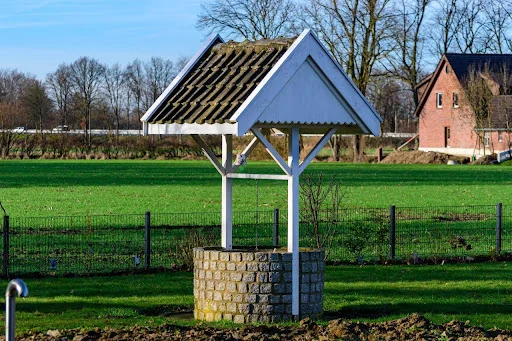
Buying or selling a home with a private well is not the same as dealing with city water. There is a whole layer of responsibility that comes with it, one that can quietly add value to your property or slowly drain it, depending on how well you have kept things up. Most homeowners do not think about their well until something goes wrong. By then, the damage, financial and otherwise, can be significant. Whether you are listing a home or making an offer on one, understanding the well’s condition is one of the smartest moves you can make.
What Mortgage Lenders Actually Require
Banks are not in the habit of lending money on properties they cannot assess clearly. When a home has a private well, that well becomes part of the underwriting picture.
Government-backed loan programs like VA, FHA, and USDA all have water quality requirements baked into their approval process. Lenders want proof that the water supply is safe and meets basic health standards before they sign off on the loan.
This means a water test is not optional; it is a condition of financing. If the test reveals contamination, the loan can stall or fall apart entirely. Sellers who are not prepared for this often find themselves in a scramble right before closing. Getting ahead of it with a certified test result can prevent a lot of last-minute stress.
What Happens When a Test Comes Back Failed
A failed water test does not automatically kill a deal, but it does add complications. The timeline stretches. Remediation needs to happen, whether that is shocking the well, installing a filtration system, or addressing a structural issue with the casing. Each of those steps takes time and money, and both the buyer and seller usually end up negotiating over who covers it.
In some cases, buyers walk away entirely. A contaminated well with unknown causes raises red flags that go beyond what a simple filter can fix. Sellers who discover problems late often have fewer options and more leverage on the buyer’s side.
How a Clean Test Result Adds Real Value
Here is where things flip. A well that has been tested regularly and documented properly becomes a selling point, not a question mark. Buyers feel confident. Lenders move faster. Inspectors have less to flag. That trust translates to fewer negotiation concessions on the seller’s side.
ETR Labs is the accredited water testing lab that real estate professionals rely on when they need accurate, court-admissible results that hold up through the mortgage process. Having that kind of documentation on hand before listing a property puts sellers in a noticeably stronger position.
Years of Neglect Can Cost Thousands
A basic annual water test is not expensive. Remediation, on the other hand, can run into the thousands. Sometimes tens of thousands, depending on the severity. Homeowners who skip routine testing often discover problems only when a buyer’s inspector or a lender-required test surfaces them. At that point, there is no quick fix. Everything is on record, on the table, and part of the negotiation.
The simple math is hard to argue with. A few hundred dollars a year in testing can prevent a $10,000 remediation bill from surfacing at the worst possible moment, right before closing.
Health Is Not a Side Note
It is easy to frame all of this around money, but the health side matters just as much. Private wells are not regulated the way municipal water systems are. There is no city agency monitoring your nitrate levels or checking for coliform bacteria. That responsibility falls entirely on the homeowner.
Contaminants like arsenic, nitrates, lead, and certain bacteria do not always change the taste or smell of water. Families can drink contaminated water for months or years without knowing it. Children and elderly residents are particularly vulnerable to effects that show up gradually. Regular testing is not just a real estate formality; it is how you protect the people drinking from that well every day.
What Sellers Should Do Before Listing
If you are planning to sell a home with a private well, get a water test done before the listing goes live. Do not wait for a buyer’s inspector to find something. Coming to the table with a clean, accredited result from a recognized lab gives you control over the conversation. Gather records of any past testing or maintenance you have done on the well. Buyers respond well to documentation. It signals that the home has been cared for, not just lived in.
What Buyers Should Ask About
When you are considering a home with a private well, ask for water test records upfront. If they do not exist, request a test as part of your offer conditions. Know what loan type you are using, since VA, FHA, and USDA loans will require it anyway. Ask about the age of the well, the casing material, and when the pump was last serviced. A well that has been properly maintained for decades can be an asset. One that has been ignored is a liability you may not fully understand until after closing.
Your Questions Answered
Q1: What should I know about buying a home with a private well?
Buying a home with a private well is different from getting city water. It’s crucial to understand the well’s condition and maintenance history since it can impact your property’s value and your health. Make sure to ask for water test records and consider getting a test done as part of your offer.
Q2: What happens if a water test comes back contaminated?
If a water test fails, it doesn’t automatically kill the deal, but it complicates things. Remediation may be required, which can take time and money. Buyers and sellers often need to negotiate who will cover these costs, and in some cases, buyers may decide to walk away from the deal.
Q3: How can I make my private well a selling point?
To make your well a selling point, get it tested regularly and keep documented results handy. A clean test result can boost buyer confidence, speed up the lending process, and reduce negotiation concessions. Showing that you’ve maintained the well with verified reports from ETR Labs can make your property more attractive and trustworthy to potential buyers.
Q4: Why is regular water testing important for well owners?
Regular water testing is essential for ensuring the safety of your drinking water. Contaminants like arsenic and nitrates can be harmful, and since private wells aren’t regulated like municipal water systems, it’s the homeowner’s responsibility to monitor water quality. Regular testing helps protect your family’s health and can save you from costly remediation later on.