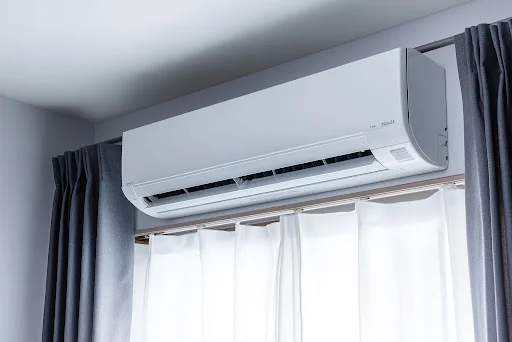
HVAC plays an imperative part in keeping your home comfortable all year round, and is not permanent. It is not invincible since it is going to go out like any other large machine. By knowing when you need to replace your HVAC system and not rely on repair, you can not only save money and energy, but you can also become more comfortable.
And now that you might be minding the time of your upgrade, these are seven indicative HVAC replacement signs to take note of from Platinum HVAC company.
1. Age of the HVAC System
The HVAC system’s lifespan is one of the most important aspects that need to be considered. Your system is even less efficient and vulnerable to issues as it gets older. Although it may still be in operation, an aged unit may not be able to consistently maintain regular temperatures and use more power than new models.
The usual period of systems is 15 to 25 years, with, of course, variations in usage and maintenance. When your system is nearing or surpassing its expected lifespan, it would be more economical to do a replacement instead of keeping on pouring more or more capital into repairs.
2. Frequent Breakdowns and Repairs
When you need to call the repairman more frequently than usual, it is a good indicator that your HVAC system is at the end of its life. Normal repair services are occasional, and frequent repair can become hectic in a very short time.
Common HVAC replacement signs include:
- More than one call in a year.
- Increasing repair costs
- Repeat of issues with the same parts.
- Reduced up time per repair.
The cost of repairs may even be more than the value of the system at a specific point. In such situations, it is usually more prudent to replace the unit as a long-term investment.
3. Rising Energy Bills
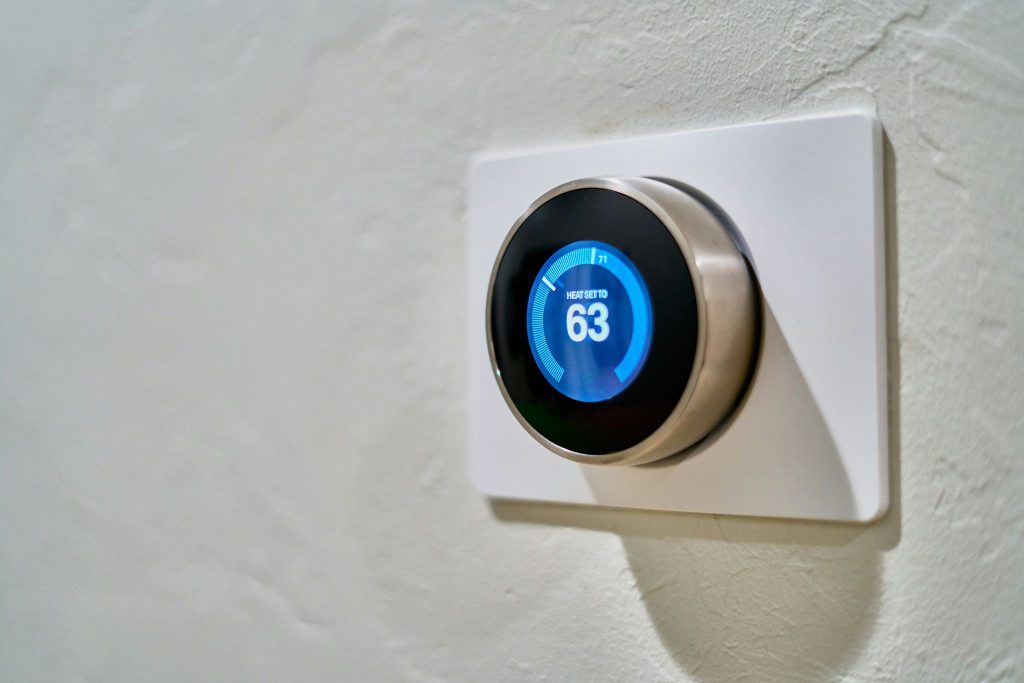
This can be an increase in your energy bill, sudden or gradual, i.e., your HVAC system will not be efficient anymore.
Look out for these signs:
- Increase in the monthly utility bills without an increase in usage.
- The system is taking excessively long to run.
- Loss of heating or cooling capacity.
Through changing your model to a new, modern, efficient one, you can save on a lot of energy consumption and save a few dollars monthly.
4. Uneven Heating or Cooling
Do there seem to be rooms in your home that are too hot and too cold? The change in temperature with uneven distribution is another major indication of HVAC poor air quality.
Possible causes include:
- Failing system components
- Problems with ductwork or leaks.
- Bad system design or old equipment.
Whereas certain problems can be addressed through repairs, continued imbalance in heating/cooling might imply that your system is no longer able to condition your house adequately.
5. Strange Noises or Odors
Your HVAC system should never emit uncommon sounds or smells. These may be an indicator of underlying problems that may develop with time.
Usual red flags are:
- Banging-clanking sounds.
- Grinding or squealing noises.
- Smoking or stuffy smell.
- Persistent rattling
They could be caused by loose components, electrical complications or mold. Should the symptoms persist even after repairs, then it may be time to think of replacing it.
6. Poor Air Quality
The HVAC system’s lifespan is important in keeping your indoor air quality. In case you observe a decrease in air quality, then it might be your system that is the problem.
Poor air quality is manifested by signs such as:
- Increased dust accumulation
- Higher humidity levels
- Worsening allergy symptoms
- Poor indoor air quality, dry or stuffy air.
Aging systems will not be able to filter and circulate air properly. An update to a more modern system with better filtration can tremendously help improve the air quality in your home and its overall comfort.
7. Frequent System Cycling
You may have a short-cycling HVAC system that is periodically shutting down and starting up—not only inefficient, but also puts unnecessary stress on the system.
Common causes include:
- Ideally, the system size should be non-oversized or non-undersized.
- Thermostat malfunctions
- Electrical issues
- Failing internal components
ACF brings back some issues because frequent cycling not only increases energy usage, but also speeds up wear and tear. When this problem continues to exist, changing the system might be the most appropriate.
In Conclusion
Knowing the signs of a malfunctioning HVAC, it can allow you to make an informed decision on what to do with it, be it to fix it or to replace it. These signs cannot be neglected because they are associated with an increasing cost of power supply, high variability, regular failures, and a decline in the quality of the air.
Although a replacement of an HVAC system is a serious investment, it may usually result in benefits such as increased efficiency, reduced utility, and comfort. You can consult a good specialist, such as Platinum HVAC, who can help you evaluate your current system and make the choice that is most likely to be the right one.
Our “Secret Sauce” revealed—check out this month’s highlight at 2A Magazine.