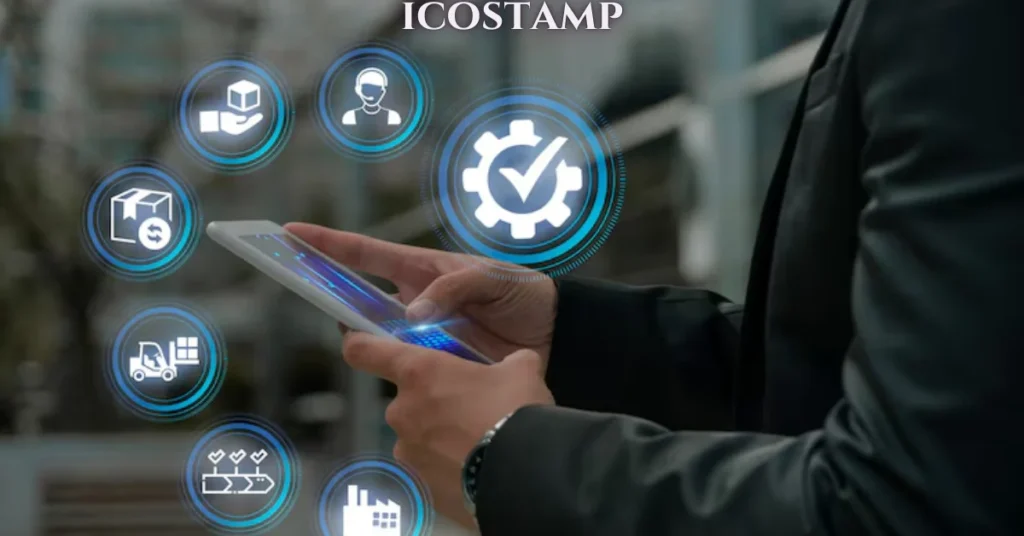
Introduction to iCostamp and its purpose
The world of supply chain management is evolving rapidly, and with it comes the need for smarter solutions. Enter iCostamp, a groundbreaking tool designed to transform how businesses approach their supply chain intelligence. Imagine having real-time insights at your fingertips—insights that can drive efficiency, enhance decision-making, and ultimately boost profitability. With iCostamp stepping into the spotlight, companies are no longer just managing their supply chains; they’re revolutionizing them. Let’s dive deeper into what makes this innovative technology a game-changer in the industry!
How iCostamp works
iCostamp operates on a sophisticated framework that integrates advanced analytics and real-time data processing. By gathering information from various sources, it creates a comprehensive view of supply chain activities.
The platform employs machine learning algorithms to analyze trends and predict outcomes. This allows businesses to anticipate demand fluctuations and adjust their strategies accordingly.
Data is collected through IoT devices, ensuring accurate tracking throughout the supply chain journey. Each item’s status can be monitored in real time, enhancing visibility.
Users can easily access insights via an intuitive dashboard, which presents actionable data clearly. The collaboration features enable different teams to work together seamlessly, improving communication across departments.
By leveraging cloud technology, iCostamp ensures scalability and flexibility for organizations of all sizes. This means companies can adapt quickly as market conditions evolve without overhauling their entire system.
Benefits of using iCostamp in supply chain management
iCostamp transforms supply chain management by enhancing visibility and accuracy. With real-time data tracking, businesses can make faster, more informed decisions. This agility allows teams to respond promptly to market changes.
The platform’s predictive analytics capabilities help anticipate demand fluctuations. Companies can optimize their inventory levels, reducing excess stock and minimizing costs.
Moreover, iCostamp fosters collaboration among stakeholders. By providing a centralized system for sharing crucial information, suppliers and retailers stay aligned on goals and timelines.
Integration with existing systems is seamless, saving time during implementation. Users experience less disruption while gaining immediate access to advanced tools that streamline operations.
The efficiency gained from using iCostamp translates into improved customer satisfaction. Faster response times lead to quicker deliveries and an enhanced shopping experience for consumers.
Case studies of successful implementation
One notable case study revolves around a global electronics manufacturer that faced challenges in tracking inventory across multiple warehouses. By integrating iCostamp, they gained real-time visibility into their stock levels and movement.
Another example is a leading automotive supplier that struggled with delays in parts delivery. With iCostamp, they optimized their logistics operations, significantly reducing lead times and improving overall efficiency.
A retail giant also leveraged iCostamp to streamline its supply chain processes. The platform enabled them to analyze demand patterns effectively, leading to better stock management during peak seasons.
These implementations illustrate the versatility of iCostamp across various industries. Each company not only improved operational efficiency but also enhanced customer satisfaction through timely deliveries and reduced costs. The transformative power of this technology is evident in these success stories.
Future potential of iCostamp in the industry
The future potential of iCostamp in the supply chain industry is immense. As businesses increasingly seek efficiency, this innovative tool can adapt to ever-changing market dynamics.
With its ability to analyze real-time data, iCostamp offers insights that were previously unattainable. Companies can make informed decisions faster than ever before, optimizing their operations on-the-fly.
Moreover, as technology advances, integration with artificial intelligence and machine learning will enhance iCostamp’s capabilities. Predictive analytics could soon become a standard feature, allowing organizations to anticipate disruptions and respond proactively.
Sustainability also plays a significant role in supply chain management’s evolution. iCostamp could help companies track their environmental impact more effectively, driving greener practices across industries.
As it evolves further, collaboration among stakeholders may increase through shared platforms powered by iCostamp. This interconnectedness fosters transparency and trust throughout the entire supply chain network.
Comparison with traditional supply chain tracking methods
Traditional supply chain tracking methods often rely on manual processes and outdated technology. This can lead to delays, errors, and a lack of real-time visibility. Information is typically stored in silos across different departments.
In contrast, iCostamp integrates various data sources seamlessly. It offers centralized access to information that enhances transparency throughout the supply chain.
While traditional systems may provide periodic updates, they can’t match iCostamp’s real-time analytics capabilities. Businesses gain immediate insights into their operations.
Moreover, traditional methods tend to be reactive rather than proactive. Companies often scramble to address issues after they arise. With iCostamp’s predictive analytics, organizations can foresee potential disruptions before they impact operations.
This shift from reactive management to strategic foresight represents a significant advancement in how businesses approach supply chain intelligence. The ability to make informed decisions quickly cannot be overstated in today’s fast-paced market environment.
Challenges and limitations
Implementing iCostamp is not without its hurdles. Companies may face initial resistance from employees accustomed to traditional methods. Adapting to new technology requires training and a cultural shift.
Data security concerns also loom large. Sensitive information about supply chains must be carefully protected against breaches, which can damage trust and competitive advantage.
Integration with existing systems presents another challenge. Legacy software might not communicate seamlessly with iCostamp, leading to potential disruptions during the transition period.
Moreover, costs associated with deployment can be significant. Businesses need to assess whether the long-term gains justify these expenses upfront.
As promising as it sounds, iCostamp relies on accurate data input. Inaccuracies at any point in the chain could skew results and analyses, compromising overall effectiveness.
Conclusion: The impact of iCostamp on the future of supply chain intelligence
The emergence of iCostamp marks a significant shift in supply chain intelligence. By leveraging advanced data analytics and real-time tracking, it offers businesses unparalleled insights into their operations. Companies that adopt this technology can enhance visibility across their supply chains, make informed decisions quickly, and respond to market demands more efficiently.
As industries continue to evolve, the integration of iCostamp will likely become essential for remaining competitive. Its potential goes beyond mere cost savings; it fosters stronger relationships with suppliers and improves customer satisfaction through timely deliveries. The future may see even more innovative applications as the technology matures.
While challenges remain—such as integration with existing systems or ensuring data security—the benefits are undeniable. Embracing iCostamp could very well define the next era of supply chain management, empowering organizations to navigate complexities with ease and confidence. As this tool gains traction, its impact on efficiency and effectiveness in the industry will be transformative.