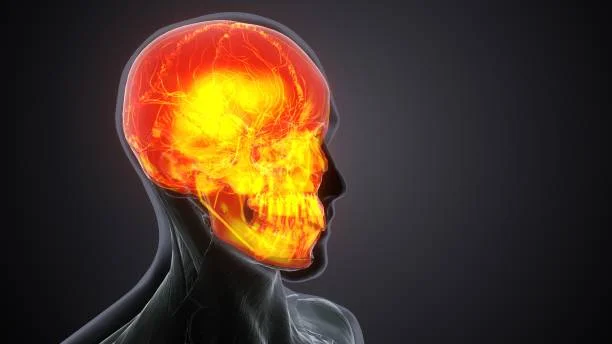
People tend to overlook the importance of oxygen which exists as a fundamental requirement throughout their life. Our body requires this breathing process because it functions without our control to ensure our survival needs are met. Our brain requires continuous oxygen delivery throughout each moment to sustain its proper operating state. The body system treats oxygen supply as a vital resource which needs continuous flow but any interruption even for a short time will result in serious damage which lasts beyond the immediate period.
Here we can know more about Hypoxic and Anoxic Brain Injuries as medical conditions. These conditions occur when the brain lacks oxygen which can happen through both partial and total oxygen deprivation. The medical terms use clinical language to describe conditions which possess personal significance to people. The body suffers physical damage from these injuries but they also create invisible changes which affect how people think and feel and experience their daily activities.
What Really Happens Then?
The brain depends on oxygen levels because it requires proper functioning. The brain operates differently from other body parts because it cannot reserve oxygen for future needs. Short interruptions of oxygen supply cause immediate effects which begin to interfere with brain function. The cells start to experience physical harm after three minutes of their first exposure to hazardous conditions.
A hypoxic brain injury occurs when the brain still receives some oxygen, but not enough to function normally. The anoxic brain injury occurs when the brain receives no oxygen at all. The following could precede this to happen: cardiac arrest, choking, near-drowning, some asthma attacks, or complications during medical procedures.
The people who handle these injuries face difficulty because the damage pattern to the body keeps changing throughout the treatment process. The brain sustains varying damage because different oxygen deprivation times create distinct recovery patterns.
Symptoms Start Subtle
Oxygen-related brain injuries present their most difficult problems because their symptoms will not show themselves until later times. A person who emerges from unconsciousness appears to show stable health which leads people to think that he or she is in good condition. The first stages of development will become visible after a period of several hours or several days.
People who experience this condition will find it hard to remember recent events while they also struggle with their ability to concentrate and they develop a general feeling of mental confusion. People will experience difficulties with their spoken word during conversations and they will need extra time to process spoken information. The symptoms will develop over time which causes people to reject the symptoms or to misinterpret them. The delay that occurs will create problems for early treatment because early medical treatment usually results in better patient outcomes.
More Changes in Thinking and Everyday Function
The cognitive challenges show themselves more clearly as time progresses. People who once performed basic tasks because they could schedule their time and execute their duty and make decisions now require additional time and effort to complete those tasks.
The person maintains their intelligence while they possess all their skills. The process shows how the brain needs time to recover after sustaining an injury. The brain needs new neural pathways for its recovery process because it must use different methods to complete its regular tasks.
Many people experience this transition as a difficult experience. People need to practice their activities until they reach complete mastery which may need professional assistance to build their self-assurance for everyday tasks.
The Overall Impact
The injuries create impacts which extend beyond cognitive functions and memory capacity to impact emotional control and bodily capabilities through mechanisms which stay difficult to understand. People find themselves responding in new ways to situations which used to be easy for them to control because minor annoyances now produce excessive stress while their feelings reach unexpected levels. Some people experience anxiety and social withdrawal while others develop mood swings that prevent them from speaking their thoughts comfortably. People experience emotional changes together with physical transformations.
People who have brain damage will experience difficulties with balance and coordination which prevents them from performing essential movement functions. People who experience persistent fatigue together with headaches and muscle weakness will face more difficulties in completing their daily responsibilities. The situation affects both speech capabilities and motor abilities which need ongoing rehabilitation efforts to achieve progress. The emotional and physical changes which occur together create confusion for the individual and their social environment, yet people need to understand that these changes occur because they form the brain’s natural response to injuries and stress.
Recovery As A Process
Brain injuries from oxygen deprivation do not have a standard recovery route. The degree of impairment and the speed of medical care and the individual health condition determine how each person will experience their condition. Some people will show constant progress while other individuals will need to adjust to permanent life changes. Rehabilitation programs typically include physical therapy and cognitive training and emotional assistance programs.
People need to understand that they must spend time to achieve their objectives. All progress matters because it includes even minor achievements, which result in improved concentration and increased vitality.
Having the Right Support
Brain injury survivors experience overwhelming challenges because their condition leads to changes that others cannot see. The first step toward recovery begins with understanding the injury.
The right mix of medical treatment and personal assistance together with trustworthy information resources helps families and individuals navigate their journey with greater confidence. People can recover to live meaningful lives even though their recovery path differs from their initial expectations.
For those seeking guidance, support, or legal insight related to these situations, you can learn more and explore available resources through Cain Law.