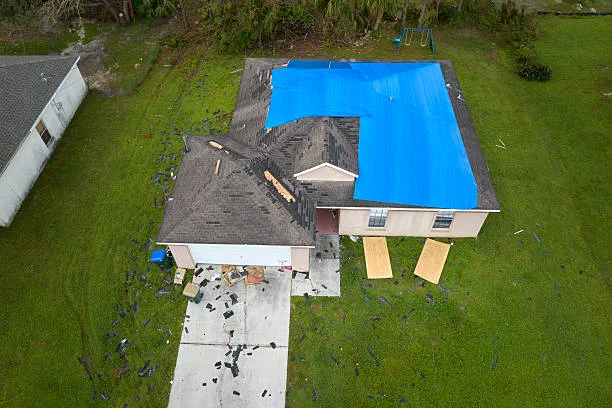
Hurricanes cause serious damage to commercial roofs in Vero Beach every season. Strong winds, heavy rain, and airborne debris tear through roofing materials fast. A clear post-storm checklist helps property owners act quickly and avoid costly delays Hurricane roof repair checklist.
Roof damage left unattended leads to water intrusion, structural stress, and expensive interior repairs. This article walks through a practical step-by-step checklist for commercial roof repair in Vero Beach after a hurricane.
Inspect Roof Surface for Damage
A full roof surface check must happen within 24 hours after a storm passes. Trained roofing professionals look for torn membrane sections, missing flashing, punctures, and exposed decking. Debris like tree branches and metal scraps penetrates roofing layers and causes hidden damage beneath the surface. Bubbling, pooling water, and surface cracks are early signs of deeper structural trouble.
Property managers who need commercial roof repair in Vero Beach can rely on local specialists who understand the area’s specific storm patterns. A thorough surface check at this stage sets the foundation for all repairs that follow Hurricane roof repair checklist.
Check Roof Edges
Roof edges take the first hit during a hurricane because wind pressure builds fastest at perimeter points. Metal edge flashings, coping caps, and drip edges peel away or bend under extreme wind loads. A careful visual check around the full perimeter reveals loose sections before they fall and cause further damage below. Roofing crews also check fascia boards and parapet walls at this stage for cracks or separation.
Inspect Drainage Systems
Blocked drains after a hurricane create standing water, which adds excessive weight to any flat or low-slope commercial roof. Here are the key points a roofing crew checks during a drainage inspection:
- Roof drains must be completely clear of leaves, dirt, and storm debris to allow fast water flow.
- Scuppers along parapet walls need a visual and manual check to confirm they are open and undamaged.
- Interior downspouts require inspection from top to bottom to locate any blockages or storm-related breaks.
- Low spots on the roof surface where water collects must be marked and reported for slope correction Hurricane roof repair checklist.
Schedule Emergency Roof Repairs
A long wait after a storm to schedule repairs allows secondary damage to spread through the entire roofing system. Water entry at one point can travel laterally under the membrane and affect large sections far from the original breach. Temporary tarping or emergency patching protects the interior while a full repair plan gets finalized.
Property owners who contact a team that specializes in roof repair in Vero Beach get faster response times and region-specific material solutions. Early scheduling reduces total repair costs and limits business disruption for tenants or on-site operations.
Plan Preventive Roof Reinforcement
Post-hurricane repairs create a practical opportunity to strengthen a commercial roof against future storms. Roofing specialists in Vero Beach can add enhanced fastener patterns to membrane systems that previously used standard installation methods. High-wind-rated adhesives and seam tapes provide extra hold at vulnerable areas like roof corners and field sections.
Rooftop equipment like HVAC units and solar panels need hurricane-rated curbs and anchor systems to prevent uplift. A reinforcement plan developed right after a major storm takes advantage of the already-open scope of work and reduces the cost of future upgrades.
A fast, structured response after a hurricane protects the value and function of any commercial roof. Property owners in Vero Beach who follow a clear checklist act faster, document better, and recover quicker. Scheduling a professional roof inspection within 24 hours of a storm is the single most effective step a property owner can take. Early action limits water damage, supports stronger insurance claims, and keeps repair costs under control for the long term.
Go down the rabbit hole: Discover our full resource hub at 2A Magazine.