Creating a lush, vibrant outdoor space does not require wasting thousands of gallons of municipal water. As environmental awareness grows and utility costs climb, sustainable landscaping is becoming an absolute necessity rather than a simple trend. Fortunately, conserving moisture does not mean sacrificing the beauty of your property. By implementing strategic hydration methods, improving your soil health, and leveraging modern technology, you can cultivate a thriving oasis while drastically reducing your environmental footprint. This guide explores highly effective, practical strategies to minimize your liquid consumption without compromising the aesthetic appeal of your home exterior.
Understanding Your Soil Composition
The secret to exceptional water retention always begins completely hidden beneath the surface. Dirt that lacks proper structure allows moisture to drain away far too quickly or puddle wastefully on the topsoil, completely starving the underlying root systems before they can absorb anything.
The Importance of Organic Matter
Mixing rich compost, aged manure, or decomposed leaf litter into your existing dirt acts exactly like a giant, natural sponge. Decomposed organic material holds multiple times its own weight in moisture, keeping the roots of your plants perfectly hydrated long after the rain stops. This structural improvement prevents the earth from cracking during severe droughts and ensures every single drop of precipitation is utilized efficiently by the surrounding vegetation.
Implementing Strategic Mulching Techniques
Spreading a thick layer of organic wood chips or shredded bark around the base of your plants drastically reduces the rate of surface evaporation. This protective, insulating barrier regulates ground temperatures and prevents the blistering midday sun from scorching the bare earth. Furthermore, as the mulch slowly breaks down over the seasons, it continuously feeds the dirt below, creating a self-sustaining ecosystem that requires significantly less human intervention to remain healthy.
Rethinking Your Daily Watering Habits
Many property owners accidentally waste massive amounts of hydration simply due to poor timing and highly inefficient delivery methods. Throwing water blindly onto the lawn without a cohesive strategy often does more harm than good.
Timing Your Irrigation Sessions Perfectly
Delivering moisture during the peak heat of the afternoon guarantees that a significant percentage will evaporate directly into the atmosphere before it ever reaches the root system. Conversely, watering late in the evening leaves the foliage damp all night, promoting destructive fungal diseases. The absolute optimal window for outdoor hydration is precisely as the sun crests the horizon. During these early morning hours, the ambient air is cool and the wind remains calm, allowing the liquid to soak deeply into the ground without any wasteful surface runoff.
Upgrading to Advanced Automation
Dragging cumbersome, heavy hoses across the lawn is frustrating and almost always leads to highly uneven saturation. Transitioning your property to a weather-responsive smart sprinkler entirely eliminates this frustrating guesswork. These highly sophisticated controllers connect directly to local meteorological databases via your home network, allowing the system to automatically pause scheduled cycles when heavy rainfall approaches your immediate neighborhood. By delivering precise hydration based on real-time environmental data, slope gradients, and specific soil conditions rather than rigid mechanical timers, you actively conserve thousands of gallons annually. This targeted approach encourages vegetation to develop much deeper, incredibly drought-resistant root structures capable of surviving extreme heatwaves.
Choosing the Right Plant Varieties
The flora you select dictates the absolute baseline level of resources required for long-term survival. Traditional sprawling grass lawns are notoriously thirsty, demanding constant, heavy upkeep during the dry summer months to remain visually appealing.
Embracing Native and Drought-Tolerant Species
Replacing sections of your traditional turf with indigenous plants drastically lowers your overall environmental impact. Because native species have naturally adapted to your specific regional climate and typical rainfall patterns over centuries, they require almost zero supplemental hydration once they are properly established in the ground. Incorporating hardy succulents, ornamental grasses, and resilient perennial shrubs provides vibrant visual texture without the exhausting maintenance requirements associated with exotic, imported flowers.
Grouping Plants by Their Hydration Needs
A highly effective landscaping concept known as hydrozoning involves grouping your vegetation based entirely on their specific daily moisture requirements. Placing highly thirsty plants together in a single, easily accessible zone prevents you from accidentally overwatering the drought-resistant varieties situated nearby. This strategic layout ensures that you only deploy your watering resources exactly where they are genuinely needed, eliminating accidental waste across the broader landscape.
Optimizing Your Aquatic Features
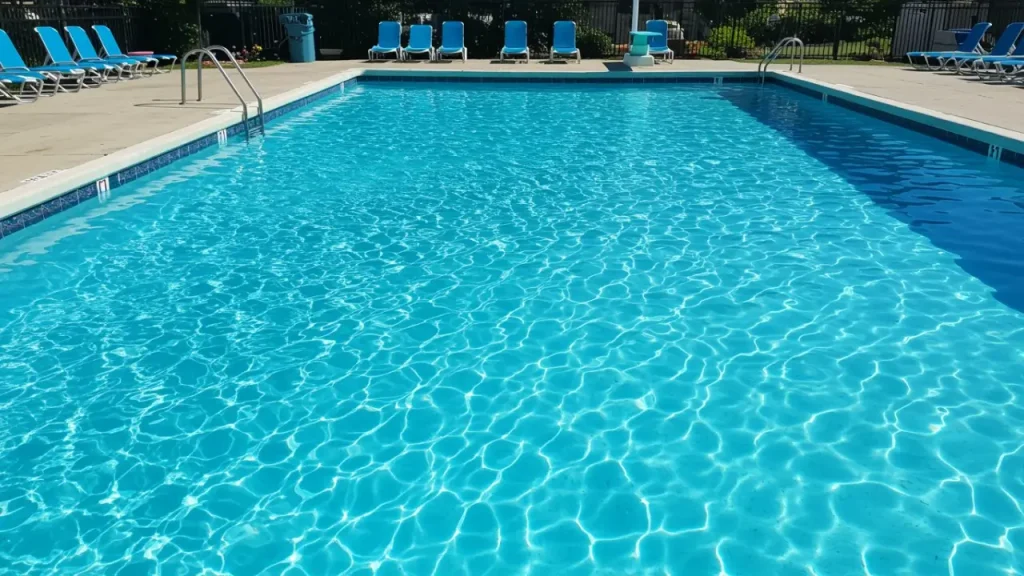
Properties featuring a recreational swimming area frequently lose hundreds of gallons of water weekly simply through natural surface evaporation and highly inefficient maintenance routines. Managing this feature correctly is vital for overall conservation efforts.
Reducing Swimming Area Evaporation
Utilizing a specialized solar cover when the water is not actively being used creates an impenetrable physical barrier that traps moisture securely inside the basin. This incredibly simple, low-tech addition drastically cuts down on the amount of fresh liquid you need to add from your municipal utility supply each week. It also helps retain ambient heat, lowering your heating bills simultaneously.
Maintaining Pristine Water Quality
Failing to keep your aquatic environment perfectly sanitary often forces property owners to completely drain and refill the basin, resulting in catastrophic liquid waste. Maintaining a flawless chemical balance and removing organic debris prevents this entirely. Utilizing an autonomous pool cleaner vacuum entirely removes the physical burden of scrubbing slippery vertical walls and extracting sunken leaves by hand. Operating without restrictive exterior cables, these advanced devices systematically navigate the submerged surfaces to capture microscopic impurities efficiently. By delegating this laborious process, you ensure constant circulation and pristine sanitation without ever needing to replace the existing volume of water.
Conclusion
Cultivating a breathtaking outdoor sanctuary does not require a massive environmental footprint or an exorbitant monthly utility bill. By thoughtfully improving your soil structure, selecting resilient native vegetation, and embracing the absolute precision of modern automation technology, you can drastically reduce your daily resource consumption. These sustainable, proactive practices work harmoniously together to build an incredibly robust landscape capable of thriving even during extended, severe dry spells. Ultimately, implementing these highly conscious conservation strategies allows you to enjoy a beautifully manicured, deeply relaxing exterior environment while serving as a highly responsible steward of our most precious natural resources for generations to come.