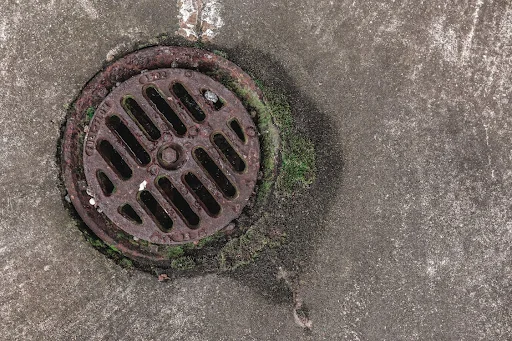
Water management plays a bigger role in home maintenance than many homeowners realize. When rainwater is not properly directed away, it can slowly weaken your foundation, damage exterior surfaces, and disrupt your landscaping. These problems often begin quietly, showing up as small changes that are easy to ignore. Over time, however, they can lead to repairs that are both time-consuming and expensive drainage issues.
Understanding how drainage works around your home helps you stay ahead of these issues. Gutters, downspouts, and grading all work together to guide water safely away from the structure. When one part of that system fails, the effects can spread quickly. Many older or poorly maintained gutter systems develop leaks or gaps that allow water to spill where it should not.
Exterior Warning Signs Around Your Home
One of the easiest ways to spot drainage issues is by paying attention to what happens outside after it rains. If you notice water pooling near your foundation or along walkways, it usually means the water isn’t being directed far enough away. These puddles may seem minor, but repeated exposure can weaken the soil and increase pressure on your foundation. In many cases, outdated or leaking systems fail to control runoff effectively. Working with experienced professionals like Gutter Pro Solutions and upgrading to seamless aluminum gutters can help ensure water is directed safely away from your home with greater reliability.
You should also look for visual clues on your home’s exterior. Streaks on siding, dirt marks, or water stains often indicate gutter overflow or improper drainage paths. These signs suggest that water is escaping the system instead of being controlled, which can lead to more serious problems over time.
Foundation Warning Signs (Cracks, Settling, and Damp Basements)
Your foundation often reveals early signs of drainage trouble. Small cracks in walls or floors may appear as the soil around your home expands and contracts due to excess moisture. While some cracks are normal, widening gaps or new ones forming quickly should not be ignored.
Inside the home, a damp basement or crawl space is another strong indicator. Moisture buildup can lead to musty odors and even mold growth. If left unaddressed, this constant exposure to water can weaken structural components and create an unhealthy indoor environment.
Soil Erosion and Landscape Scouring
Drainage issues often show up in your yard before they affect your home’s structure. If you notice soil washing away after storms or uneven patches forming in your lawn, water may be flowing too aggressively in certain areas. This kind of erosion can strip away protective layers of soil that help support your foundation.
Landscaping elements can also reveal problems. Displaced mulch, exposed roots, or damaged garden beds suggest that water is not being properly controlled. Over time, this can make your outdoor spaces harder to maintain and less effective at managing runoff.
Identifying “Soggy Spots” and Persistent Standing Water
Some drainage issues are more subtle but just as important to address. Areas of your yard that stay wet long after the rain has stopped can indicate poor soil drainage or improper grading. These soggy spots often develop gradually, making them easy to overlook at first.
Standing water is another clear warning sign. Whether it collects near patios, driveways, or the base of your home, it creates conditions that can lead to structural damage and pest problems. Addressing these areas early helps prevent long-term issues and keeps your property in better condition overall.
The Dangers of Peeling Exterior Paint and Efflorescence
Peeling or bubbling paint on your home’s exterior often signals more than just normal wear. Moisture trapped beneath the surface can push paint away from the wall, especially after repeated exposure to rain. This usually happens when water is not draining properly and continues to soak into siding materials.
Efflorescence is another warning sign to watch for. It appears as a white, powdery residue on brick or concrete surfaces. This forms when water moves through these materials, leaving behind mineral deposits. While it may seem cosmetic, it points to ongoing moisture intrusion that can weaken surfaces over time.
Basement or Crawl Space Humidity and Mildew Growth
Changes inside your home can also reveal drainage problems. A damp or humid basement is often one of the first signs. You might notice a persistent musty smell or feel increased moisture in the air, especially after heavy rain.
If the issue continues, mold or mildew may begin to form on walls, insulation, or stored items. This not only damages materials but also affects indoor air quality. Addressing the source of excess moisture early helps prevent long-term structural damage and keeps your living space healthier.
The Role of Downspout Positioning and Discharge Points
Even a well-functioning gutter system can fail if downspouts are not positioned correctly. Water that exists too close to your home can quickly saturate the soil around the foundation. Over time, this increases the risk of cracks and shifting.
It is important to ensure that downspouts direct water several feet away from the house. Extensions, splash blocks, or underground drainage solutions can help guide runoff safely away. Regularly checking these components ensures they continue to work as intended.
Preventative Maintenance and Gutter Inspections
Routine maintenance plays a key role in preventing drainage issues. Cleaning out gutters of leaves, debris, and buildup allows water to flow freely. When gutters are clogged, water can overflow and collect in areas where it should not.
Regular inspections are just as important. Look for loose sections, small leaks, or sagging areas that could affect performance. Catching these issues early makes repairs simpler and helps your entire drainage system function more effectively throughout the year.
Protecting Your Home Through Early Detection
Drainage problems rarely stay small when ignored. Early signs such as peeling paint, damp basements, soil erosion, and standing water all indicate a system that is not functioning as it should. Each issue connects back to how water moves around your home.
By paying attention to these indicators and maintaining your drainage system, you can avoid costly repairs and protect your property’s value. A proactive approach keeps your home structurally sound, your outdoor spaces intact, and your living environment more comfortable year-round.
The gold standard for 2A Magazine. See how you measure up.