Pollution is a serious problem in cities around the world. Smog in the air and trash on the streets can harm our health and the environment or pollution around the city. As cities grow, it’s critical to find effective ways to reduce pollution. Many solutions, from new technologies to community actions, can help clean our urban areas.
Feeling overwhelmed by pollution is normal, but every small action makes a difference. If everyone does their part, we can see significant improvements over time. Many solutions are simple and effective. Let’s look at how you can help reduce pollution in your city and create a cleaner, healthier environment.
Magnesium Chloride
Dust contributes to urban pollution, so managing it is important for improving air quality. Magnesium chloride is increasingly used to control dust, especially on unpaved roads and construction sites. This compound binds with dust particles, keeping them on the ground and preventing them from rising into the air.
Magnesium chloride dust control is great because it is safe for the environment. It won’t harm plants or animals nearby. When used, it creates a crust that binds the dust, significantly improving air quality. Cities can use it when it’s dry, when dust is more of a problem.
For residents, this means cleaner neighbourhoods and fewer respiratory issues related to air pollution. By using magnesium chloride for dust control, cities make a clear move toward cleaner air and a healthier environment for everyone.
Other Dust Control Solutions
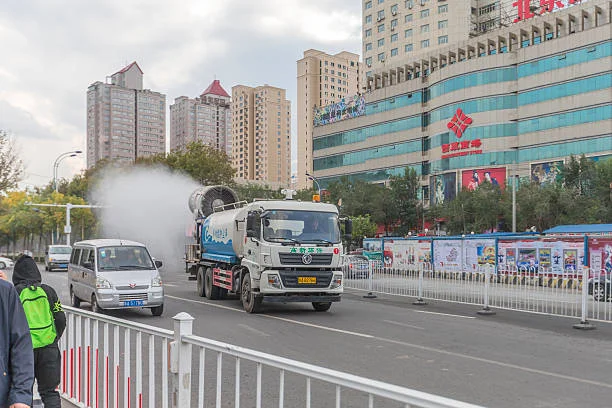
Besides magnesium chloride, there are other effective dust control solutions in urban areas. One method is spraying water on dirt roads and construction sites. This can help reduce dust and create a safer environment. However, it’s important to manage water use carefully, especially in dry areas.
Another option is using dust suppressants designed for roads and highways. These products combine natural and synthetic materials to reduce dust effectively. They can go directly on unpaved roads or be mixed into the road surface during construction, providing a cost-effective solution.
Urban green spaces also help reduce dust. Trees, plants, and grass absorb pollutants and act as natural barriers against wind, keeping dust from scattering. Planting trees along streets and creating community gardens can improve air quality and add beauty to neighbourhoods pollution around the city.
Community Involvement
Community participation is key to reducing pollution in cities. Residents can organize clean-up days to come together and clean parks, streets, and public spaces. This teamwork not only improves the environment but also builds community pride.
Education plays a vital role too. Workshops and information on sustainable practices can encourage people to adopt eco-friendly habits. Simple actions, like using public transport, biking, or carpooling, can greatly cut vehicle emissions, a major source of urban pollution. The more people know about their options, the more likely they are to use them.
Finally, supporting local policies that reduce waste and encourage recycling can lead to real changes. Engaging with local governments to promote sustainability underscores the importance of working together to achieve cleaner cities.
Innovative Transportation
Transportation significantly contributes to urban pollution. We can reduce a city’s carbon footprint by using greener options like electric public transit systems and bike-sharing programs. Cities should invest in infrastructure that supports electric vehicles and promotes cycling. By expanding bike lanes and ensuring safe paths, more people may choose to bike rather than drive.
Promoting walking as a safe way to get around can also improve air quality. Designing pedestrian-friendly spaces creates lively communities where residents can move easily without cars. The more accessible these options are, the less people will rely on fossil fuel-powered vehicles.
Support for Local Products
Another way to reduce pollution is to support local products and businesses. Buying goods nearby reduces the distance they need to travel, cutting fuel use and pollution. Shopping locally boosts the economy and encourages sustainable practices. Farmers’ markets and local artisans offer fresh produce and handmade goods while building community connections.
By choosing local products over mass-produced imports, residents can help decrease the overall environmental impact. This often leads to fresher, healthier meal options pollution around the city.
It’s inspiring to see what communities can accomplish when everyone pitches in. Whether it’s using magnesium chloride for dust control or joining local clean-up efforts, small changes can create a big impact for cleaner, healthier cities. Let’s roll up our sleeves and get started.