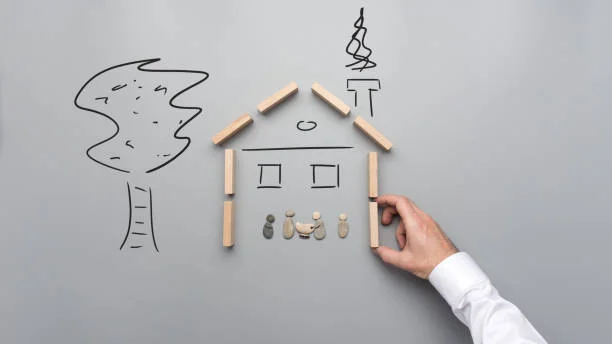
A home remodel can transform the way you live, but planning it the wrong way can lead to delays, frustration, and unexpected problems. Most renovation stress or Stress-Free Home Remodel comes from poor planning, unclear expectations, or weak communication. With the right approach, you can protect your time, your home, and your sanity.
Here is a simple, practical guide to keeping your remodel organized and stress-free from start to finish.
1. Define the Goal of Your Remodel
Every successful remodel starts with clarity. Before you look at materials, layouts, or contractor options, decide what you want the renovation to achieve. A remodel without a clear goal usually leads to extra costs, design confusion, or changes mid-project.
Ask yourself what matters most:
- Do you need more space?
- Is the current layout uncomfortable or outdated?
- Do you want a modern look with updated finishes?
- Are there safety issues or code upgrades that need attention?
- Are you trying to improve storage, workflow, or daily functionality?
Write down your priorities in order. When you face design decisions later, this list keeps the project on track.
If you share your home with a partner or family Stress-Free Home Remodel, have everyone align on the main goals before contacting contractors. Clear expectations prevent disagreements and make it easier for your contractor to deliver the exact result you want.
2. Create a Vision Before Construction Starts
A remodel runs smoother when every major decision is made early. Before construction begins, build a clear picture of what the finished space should look and feel like. This helps your contractor understand your expectations and eliminates guesswork later.
Start with visual inspiration. Save photos, styles, layouts, or design elements you like. A simple mood board, even one made on Pinterest or a folder on your phone — helps define your preferences.
Next, choose materials and finishes as early as possible:
- Flooring type
- Countertops and cabinetry
- Lighting style
- Tile, paint, and hardware
Also separate must-have items from nice-to-have features. If adjustments are needed during the project, this list makes decision-making quick and stress-free.
When your vision is set, you reduce delays, last-minute changes, and budget surprises. It keeps the project organized and helps your contractor deliver the result you want.
3. Choose a Reliable, Licensed Contractor
The contractor you hire will decide how smooth your remodel feels. A good team keeps the project organized. A bad one creates delays, confusion Stress-Free Home Remodel, and stress. Before signing anything, verify the basics: proper licensing, insurance, and experience with the type of work you need. Ask to see recent project photos or visit a finished job if possible.
Strong communication matters as much as craftsmanship. A contractor should answer questions clearly, provide written timelines, and explain how change orders or unexpected issues will be handled. A detailed contract protects you and sets expectations from day one.
Many homeowners choose a design-build contractor because planning, design, and construction are handled by the same company. It prevents miscommunication and makes the process more efficient. If you’re exploring options for your next home renovation, learn more about professional home remodeling services that simplify planning and coordination from start to finish.
4. Plan for Daily Life During Construction
Even a well-organized remodel will disrupt normal routines. Before work starts, think about how the project will affect daily living and make a plan that keeps stress low.
If the kitchen is being renovated, set up a temporary cooking space with a microwave, air fryer, or portable cooktop. Professional kitchen remodeling services often help homeowners plan for this transition by staging the project in phases when possible, minimizing downtime and disruption to daily routines. If a bathroom will be out of service, make sure you have access to another one or coordinate shower schedules in the home. Pack and store belongings early so crews can work efficiently and safely.
Construction creates noise, dust, and foot traffic. Cover furniture, move valuables, and ask how the contractor handles dust containment and cleanup. If you have pets or children, set boundaries to keep them safely away from tools and work areas.
Also consider parking and neighbors. Let nearby residents know when work will begin, especially if street parking or outdoor access will be used. Small steps like these make the experience smoother for everyone involved.
Preparing your home ahead of time prevents frustration once demolition and construction begin. The more organized you are before day one, the easier the entire remodel feels.
5. Set a Communication Schedule
Good communication removes most remodeling stress. Before work begins, ask your contractor how updates will be delivered and how often. Some contractors prefer weekly in-person walkthroughs. Others use project management software to track deadlines, change orders, and progress photos. In some cases, a simple phone call or email check-in works fine Stress-Free Home Remodel.
What matters is consistency. A predictable update schedule prevents surprises, keeps timelines clear, and helps you make decisions quickly when needed. Agreeing on communication standards early keeps the project organized and ensures everyone stays on the same page from start to finish.
6. Avoid Common Remodeling Mistakes
Many problems during a remodel come from decisions made too late or skipped steps early in the process. The most common issues are simple to avoid when you plan ahead.
One major mistake is starting construction before the design and materials are finalized. Changing tile, flooring, cabinetry, or layouts mid-project slows down the schedule and can increase costs. Decide on materials early so everything can be ordered and delivered on time.
Permits are another frequent oversight. Even small renovations may require approval from your city or building association. Skipping permits can lead to fines or issues when you try to sell your home later. Always confirm what is required before work begins.
Homeowners also get into trouble by choosing a contractor based only on the lowest price. A cheaper bid may not include the same quality materials, warranty, communication, or project management. It is better to compare experience, reviews, and process instead of cost alone.
Finally, avoid trying to DIY structural, electrical, or plumbing work unless you are trained and licensed. Mistakes in these areas create safety hazards and often cost more to correct later.
Planning, permits, clear design decisions, and qualified professionals keep a remodel running smoothly and prevent stressful setbacks.
7. Do a Final Walkthrough
Before the remodel is considered complete, set aside time for a full walkthrough with your contractor. This is your chance to inspect every detail and make sure the work matches the plan.
Test appliances, outlets, light switches Stress-Free Home Remodel, and water fixtures to confirm everything works correctly. Look closely at finishes like paint, grout lines, caulking, cabinetry alignment, and hardware installation. Small imperfections are normal in any build, and a walkthrough helps identify what needs final adjustment.
Create a punch list of anything that requires touch-ups or corrections. Most contractors expect this step and will schedule a follow-up visit to complete the remaining items. Before signing off, review any warranty paperwork or service terms so you know who to contact if issues appear later.
A careful walkthrough protects the quality of your remodel and ensures the space is fully ready for daily use.
Editor’s pick: A must-read featured article awaits at 2A Magazine.