Moving is a lot to juggle. External lockers keep the mess out of your home and buy you time when dates shift. They also give you a neutral base to sort, stage, and breathe.
Why external lockers help during a move
Think of a locker as a pressure valve when plans change. Options such as Auckland storage solutions sit between your current place and your next one – giving you a safe spot for boxes, furniture, and seasonal gear. That flexibility reduces stress and lets you move in stages.
Pick the right unit size
Start by listing big items, then count box stacks. A guide from a major operator explains that facilities range from tiny lockers to multi-car garages, which means there is usually a fit for studio flats and 4-bedroom houses alike. When in doubt, step up one size to avoid cramming and damage.
Quick sizing tip
If large furniture goes in first, measure the longest piece. Plan a corridor inside the unit so you can reach things without unloading everything.
Time your booking and moving day
Book early. A New Zealand mover notes most customers lock in crews 2-3 weeks before moving day, and that buffer protects your spot when demand spikes. One market report observed leasing peaks near late December in New Zealand, so you may want to reserve even sooner around the holidays.
An industry snapshot in 2024 also highlighted high average occupancy across facilities, which means popular unit sizes can go fast. Build a backup plan in case your first choice is taken. Flex on size or nearby locations if needed.
Set up your loading and access plan
Confirm access hours and loading rules before you pack the van. A mobile storage provider points out that you may have up to 24 hours to fill a delivered unit, which helps when friends can only help after work. Ask whether trolleys, dock space, or lifts are available at your site.
Locker day checklist:
- Reserve a morning or evening slot to dodge peak traffic.
- Pre-pack small items so you can load heavy pieces first.
- Bring straps, blankets, and a marker for every box.
- Photograph the final layout for easy retrieval later.
Pack for safety and compliance
Do a safety check before anything leaves your home. Major operators list prohibited items like fuel, aerosols, perishables, living things, illegal goods, and weapons. Keep batteries stable, cap liquids, and label fragile boxes on multiple sides.
Use sturdy boxes and fill gaps so nothing shifts in transit. Lay heavy items on the floor, then build up with lighter goods. Protect edges and glass with cardboard corners and soft wrap.
Budget and compare costs
Prices vary by size, location, and access type. A local consumer guide notes that storage costs in New Zealand can swing widely, so compare similar units and factor in any admin fees, insurance, or padlock costs. Watch for discounts that require longer terms and check what happens to the rate after the first month.
If you need frequent access, weigh the time cost of travel. A slightly closer unit can save you multiple hours over a month.
Plan for insurance and security
Ask how coverage works before you sign. Many facilities require proof of contents insurance, and some sell policies at the counter. Check the small print on limits for electronics, bikes, and jewelry, then decide if you need extra cover for a few high-value items.
Walk the site and note security layers. Look for individual unit alarms, keypad or app access, lighting in corridors, and cameras at entry points. Bring your own high-quality lock if allowed – a closed shackle or disc-style lock resists quick tampering and keeps honest people honest.
What to store and what to keep handy
Not everything belongs in the locker. Keep documents, passports, medication, and a small tool kit at home or on you. Make a “day one” box with bedding, towels, basic cookware, chargers, and cleaning supplies so the first night in your new place is easy.
Group locker items by room to simplify unloading. If you expect multiple trips, stage boxes by priority: things you can live without for 30 days go deepest, while hobby gear or off-season clothes sit near the door. A simple numbering system on box tops ties to a notes app and saves time when you need that one cable.
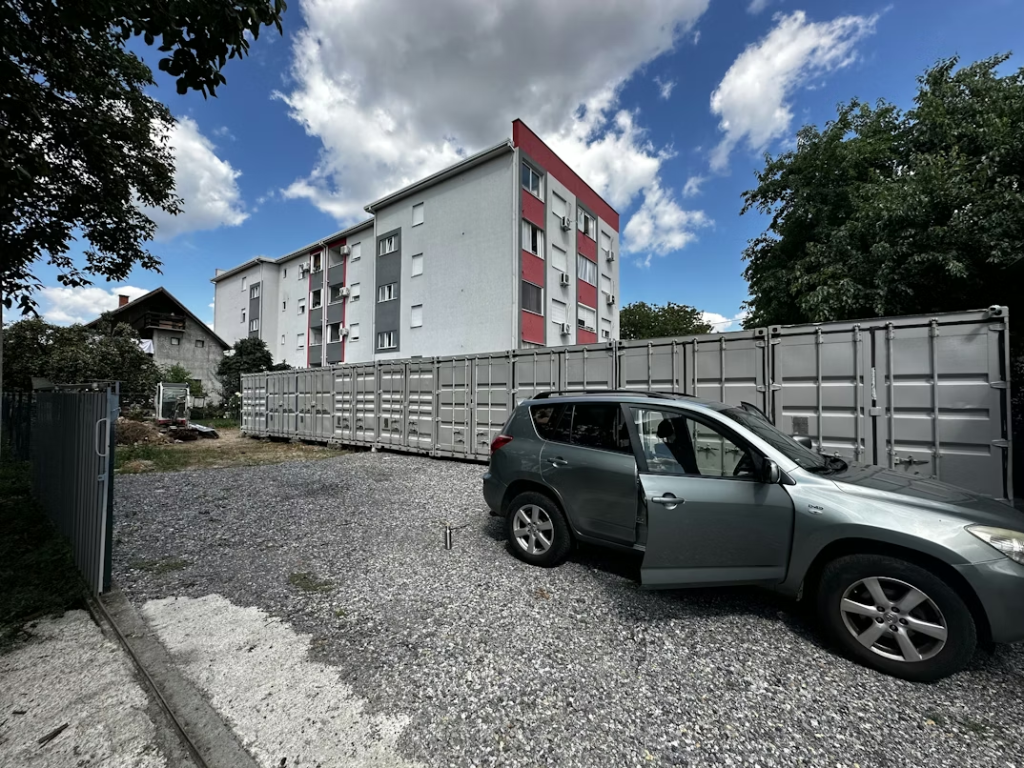
Moving gets easier when you treat the locker like a working space, not a black hole. Load with intention, label well, and keep the most-used items near the door. With a little planning, you will land in your new place with less rush and fewer surprises.