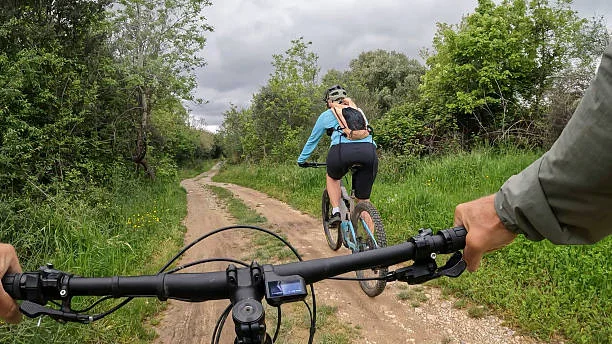
Electric bikes (e-bikes) are an increasingly popular way to commute, explore, and stay active. Whether you ride for fun or use your e-bike as a daily commuter, you might be curious: Can I make my e-bike go faster? The good news is, yes, you can improve your e-bike’s speed and overall performance, as long as you stay safe and within legal limits.
In this guide, we’ll walk you through safe, practical, and legal ways to boost your electric bike’s performance, so you can enjoy a smoother, faster, and more efficient ride.
1. Understand Speed Limits and Local Laws
Before making any changes, it’s important to know the legal restrictions in your area. Different countries and regions regulate electric bike speed limits to ensure rider safety:
- In the EU, most Class-1 and Class-2 e-bikes are limited to 25 km/h (15.5 mph) with motor assist.
- In North America, some e-bikes are limited to 20 mph (32 km/h) or 28 mph (45 km/h), depending on classification.
Increasing speed beyond legal limits may reclassify your e-bike as a motor vehicle, affecting insurance, helmet laws, and where you can ride. Always check your local regulations first.
2. Improve Battery Efficiency
The battery is the heart of your e-bike. A well-maintained, high-quality battery can help deliver stronger power and sustained speed.
Tips to boost battery performance:
- Ensure full charge before riding – riding with a partly depleted battery reduces peak power output.
- Use the correct charger – batteries charge best with compatible chargers designed for your model.
- Store the battery properly in cooler conditions – heat reduces battery efficiency over time.
- Consider a higher-capacity battery – upgrading to a battery with more watt-hours (Wh) can improve range and maintain power at higher speeds.
Better battery performance doesn’t directly increase top speed alone, but it helps your motor maintain power for longer durations.
3. Optimize Your E-Bike’s Motor Settings
Many electric bikes include adjustable assist modes. Understanding and optimizing these settings can make your ride feel faster and more responsive.
How to adjust assist modes:
- Use higher assist levels for quicker acceleration.
- Balance assist and battery usage – high assist can deplete the battery faster, but it improves responsiveness.
- Check manufacturer-recommended settings to avoid strain on motor components.
In some cases, advanced e-bikes allow custom tuning of motor parameters via companion apps or programmable displays. Always follow recommended limits to protect your e-bike’s components.
4. Maintain Tires, Brakes, and Rolling Resistance
Speed isn’t just about power; it’s also about reducing drag. Proper maintenance can help your e-bike move more efficiently.
Speed-boosting maintenance tips:
- Keep tires fully inflated – under-inflated tires increase rolling resistance.
- Choose tires with low rolling resistance – smoother tires can roll faster on pavement.
- Check brake alignment – rubbing brakes slows you down.
- Clean drivetrain regularly – a clean chain, cassette, and derailleur help maintain efficient power transfer.
Small efficiency improvements can have noticeable effects on perceived speed and smoothness.
5. Reduce Weight and Drag
Heavier bikes and riders require more power to accelerate and maintain speed. While rider weight isn’t something you can always change, you can reduce extra weight on the bike itself.
Effective ways to reduce drag:
- Remove unnecessary accessories (heavy baskets, racks, large bags).
- Use lightweight components if possible (saddle, pedals).
- Check for aerodynamic positioning – a slightly more aerodynamic posture can reduce wind resistance.
Every bit of weight saved can help the motor work more efficiently.
6. Consider Performance-Focused Upgrades
Some experienced riders choose performance upgrades, but be sure these changes stay legal in your area.
Note: Upgrades can be restricted
Tampering with controller settings or motor firmware can void warranties and be illegal in some regions. Always check local laws and manufacturer guidance before modifying.
Potential performance upgrades:
- Higher-rated controller – can support stronger current flow (consult a professional).
- Lighter wheelset – reduces rotational mass for snappier acceleration.
- Higher capacity battery – supports consistent power delivery.
- Tune-up from a professional e-bike mechanic – ensures optimal mechanical performance.
Professional bike shops can help optimize your e-bike safely.
7. Ride Smart, Not Just Fast
Sometimes the key to “going faster” isn’t modification — it’s strategy.
Riding techniques to improve speed:
- Anticipate terrain changes – avoid unnecessary braking and re-acceleration.
- Use pedal assist effectively – a smooth, steady cadence helps the motor work with you.
- Plan routes with fewer stops – maintain momentum for faster overall travel time.
A smart rider often feels faster than one who simply tries to go at maximum speed all the time.
Final Thoughts
Improving your electric bike’s speed doesn’t have to mean risky or illegal modifications. By combining smart riding habits, proper maintenance, battery care, and thoughtful upgrades, you can enjoy a faster, smoother, and more enjoyable ride.
Whether you’re commuting through city streets or cruising on weekend roads, these tips can help you get the most out of your electric bike safely and confidently.