A great refresh does not have to mean a full gut job. With a smart plan and tight priorities, you can boost curb appeal, comfort, and long-term value without overspending. Use the steps below to focus on changes that show fast and feel fresh.
Refresh your exterior first
Curb appeal is the fastest way to change how a property feels from the street. A recent industry analysis from Builder highlighted how simple exterior replacements top the charts for value returned to owners. Start with visible upgrades that are quick to install and easy to maintain.
Pick low-lift curb appeal wins
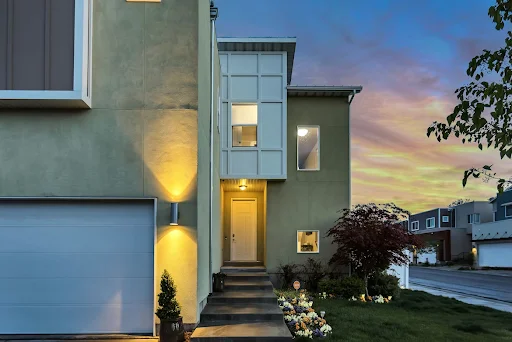
Start with the front yard and entry path. Fresh mulch, trimmed shrubs, and a clean walkway elevate the whole facade at a low cost. Replace house numbers and the mailbox for a tighter, modern look.
Upgrade outdoor lighting
Path and porch lighting improve both safety and style. Choose warm color temperatures so siding and stone read naturally. Add motion sensors near the driveway to keep utility costs in check.
Update entry points and siding
Front doors, garage doors, and trim set the tone for the entire home. A 2024 summary from Zonda Home noted that replacing a garage door or steel entry door and adding manufactured stone veneer posted some of the strongest cost recoup figures among common projects. Choose durable finishes so the new look stays sharp over time.
Door details that matter
Pick a door style that matches the architecture. Swap pitted brass for matte black or satin nickel hardware. Add weatherstripping to tighten drafts while you are at it.
Siding touchups vs full re-skin
Small repairs and a quality repaint can buy years before a full siding job. If panels are failing, consider a partial replacement on the worst elevations. Match profiles and reveal lines so the patch blends in.
Modernize the kitchen basics
Kitchens are heavy hitters, even when you keep the footprint. If you prefer to skip DIY, working with professional remodeling contractors can streamline permits, sourcing, and scheduling. Focus on new surfaces, efficient storage, and better lighting before you chase trendy extras.
Cabinet refacing or replacement
Refacing keeps the boxes and swaps doors, drawer fronts, and veneer. It saves time and limits dust. Full replacement suits layouts that need deeper drawers, taller uppers, or a new work triangle.
Countertops, sinks, and fixtures
A practical guide from The Spruce puts the typical 10×10 kitchen refresh near $24,000, which helps set a baseline for planning. Prioritize a durable counter, a single bowl sink, and a pull-down faucet for daily function. Under-cabinet lights reduce shadows and make prep safer.
Refresh baths without a full tear-out
Baths age fast because of moisture and contact surfaces. New faucets, a quality shower head, and a fresh vanity top can reset the room. Swap plastic curtains for a glass panel to open sightlines and brighten the space.
Tile and grout strategy
Clean or recolor grout before you retile. If you do add tile, run it higher in wet zones to prevent splash damage. Keep patterns simple so the room feels larger.
Plan your budget and bids
Know how the money flows before you demo. Guidance from HomeAdvisor says general contractors often charge 10 to 20 percent of the project total, which should be in your budget from day one. To lock in fair pricing and a clear scope, one homeowner guide from Angi recommends getting at least 3 detailed quotes for larger jobs.
- List exact materials and model numbers
- Note site conditions and access limits
- Set start and finish windows
- Require proof of license, insurance, and references
Contingency and allowances
Hold a 10 to 15 percent contingency for surprises inside walls and floors. Use clear allowances for tile, plumbing fixtures, and lighting so choices do not stall the schedule. Update the budget as selections finalize.
Time your project and phases
Season, lead times, and labor availability affect cost and speed. Market tracking from Fortune Business Insights reported the home renovation sector measured in the trillions of dollars in 2024, which explains why skilled crews and top materials can book out. Break complex work into phases so you can live through the project without chaos.
Sequence for less disruption
Do exterior work first, then noisy framing, then mechanicals, then finishes. Protect floors and set up dust barriers before cutting begins. Confirm inspection windows so trades are not waiting idly.
Know your local market
Kitchen renovation costs can vary widely depending on the city, season, and available supply. A typical project falls between $13,000 and $36,000, reflecting the range seen in many regions. Be sure to check current prices in your zip code to keep your budget realistic.
Sourcing materials near you
Local shops often cut lead times for cabinets, tops, and glass. Bring exact measurements and photos when you shop. Ask about returns and restocking fees before you order.
Improve comfort and efficiency
A home that looks new should also feel better to live in. Add attic insulation where levels sag, seal obvious air gaps, and choose efficient fixtures. These upgrades lower bills and help finishes last longer.
Windows, doors, and drafts
Caulk and foam can do a lot before you jump to full window replacement. Replace worn door sweeps and adjust hinges so doors close tightly. If windows are fogged or frames are soft, plan a phased swap.

Finish with light fixtures, hardware, and fresh paint to tie the look together. Aim for a simple palette, clean lines, and consistent metal finishes so every room feels connected. With a tight plan and steady pacing, you can give your property a clean, modern look that holds up to real life.