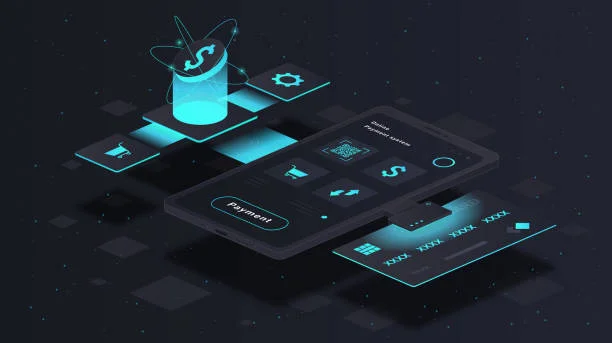
The fintech sector has transitioned from a period of “rapid growth” to one of “technological maturity.” As of 2026, the global fintech market is valued at $460.76 billion, with a shift toward AI-driven personalization and embedded ecosystems or Fintech App with Flutter. For companies looking to compete, Flutter has emerged as the industry standard, offering a 30–40% reduction in time-to-market compared to native development.
This guide provides an authoritative roadmap for developers and business leaders to build secure, scalable, and high-performance financial applications using Flutter.
The 2026 Development Framework
To move beyond a simple MVP, your development process must account for the high-concurrency and strict data-integrity requirements of modern finance.
Step 1: Architecting for State Management & Auditability
In 2026, choosing the right state management is no longer just a preference; it’s about creating a “paper trail” for transactions.
- The Strategy: Use Bloc (Business Logic Component). Its event-driven nature creates a traceable stream of state changes, which is invaluable for debugging failed transactions or ledger mismatches.
- Pro Tip: Avoid setState for financial data to prevent UI “flicker” that can lead to “double-tap” transaction errors.
Step 2: Advanced UI/UX with High-Fidelity Data
Fintech users in 2026 demand real-time visualization without lag.
- The Implementation: Leverage Flutter’s Impeller rendering engine to ensure 120Hz smooth scrolling on complex financial charts Fintech App with Flutter. Use the fl_chart library for responsive, touch-interactive market data.
- Accessibility: Ensure your “Money-In/Money-Out” colors are accessible by using high-contrast themes for color-blind users—now a key regulatory compliance metric.
Step 3: “Hardened” Backend & API Integration
- The Stack: While Firebase is excellent for real-time notifications, use PostgreSQL with Supabase or AWS Amplify for your core ledger to ensure ACID compliance (Atomicity, Consistency, Isolation, Durability).
- API Management: Connect to banking protocols (like Plaid or the Google Agent Payments Protocol) using the dio package with custom interceptors to handle token refreshes.
Security: Implementing a “Zero-Trust” Model
Standard encryption is the baseline; in 2026, your app must be a fortress.
1. Certificate Pinning (Technical Implementation)
To prevent Man-in-the-Middle (MitM) attacks, use a SecurityContext that explicitly trusts only your server’s PEM certificate.
import ‘dart:io’;
import ‘package:dio/dio.dart’;
import ‘package:dio/io.dart’;
import ‘package:flutter/services.dart’ show rootBundle;
Dart
import ‘dart:io’;
import ‘package:dio/dio.dart’;
import ‘package:dio/io.dart’;
import ‘package:flutter/services.dart’ show rootBundle;
Future<Dio> createSecureDioClient() async {
final dio = Dio(BaseOptions(baseUrl: “https://api.yourfintech.com”));
// Load your server’s PEM certificate from assets
final certData = await rootBundle.load(‘assets/certs/server_cert.pem’);
final certBytes = certData.buffer.asUint8List();
// Create a SecurityContext that trusts ONLY this certificate
final context = SecurityContext(withTrustedRoots: false);
context.setTrustedCertificatesBytes(certBytes);
dio.httpClientAdapter = IOHttpClientAdapter(
createHttpClient: () {
final client = HttpClient(context: context);
client.badCertificateCallback = (cert, host, port) => false;
return client;
},
);
return dio;
}
2. Biometric Hardening & Obfuscation
- Biometric Versioning: If a user adds a new fingerprint to their device, the app should detect the “Key Set” change and force a re-login.
- Code Obfuscation: Always ship using the –obfuscate flag. This mangles your Dart code, making it nearly impossible for hackers to reverse-engineer your logic.
2026 Cost Analysis & Budgeting
While Flutter is cost-effective, 2026 budgets Fintech App with Flutter must include compliance audits and AI model training.
| App Tier | Key Features | Cost Estimate (USD) | Timeline |
| Basic MVP | 2FA, simple ledger, 1 API integration. | $30k – $60k | 3–4 Months |
| Mid-Tier App | Biometrics, KYC/AML, Plaid integration. | $60k – $150k | 4–8 Months |
| Enterprise | Agentic AI, multi-currency, Neo-banking. | $150k – $350k+ | 9+ Months |
- Compliance & Maintenance: Budget $10k – $25k for PCI-DSS 4.0 audits and 15–20% annually for ongoing maintenance.
The 2026 Fintech Compliance Checklist
| Category | Requirement | 2026 Implementation Tip |
| Data Privacy | GDPR / CCPA | Implement “Right to be Forgotten” in-app. |
| Payments | PCI DSS 4.0.1 | Use Tokenization; never store raw card numbers. |
| Integrity | Anti-Tamper | Detect if the app is running on a rooted device. |
| UX/Legal | Consent Logs | Maintain immutable logs of Terms of Service acceptance. |
Future Trends: “Agentic” Fintech
In 2026, users are managing money through AI Agents. Ensure your Flutter app has well-documented Deep Links. This allows AI assistants (like Gemini) to perform tasks like “Pay my utility bill using my Fintech App” via voice command flawlessly.
Conclusion
Developing a fintech app with Flutter in 2026 requires balancing beautiful UX with rigorous security. By following a “Zero-Trust” architecture and focusing on auditability, you can build a platform that earns both user trust and market share.
Explore innovative thinking crafted for ambitious brands at 2A Magazine.