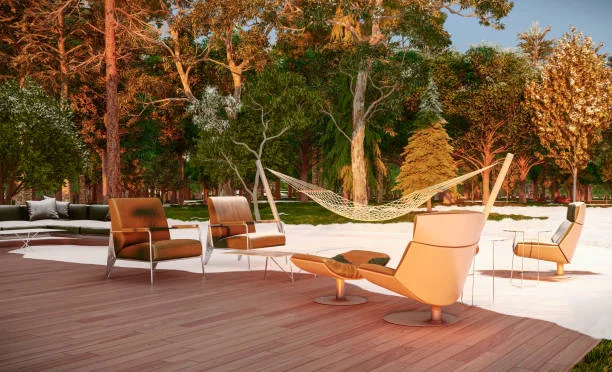
Creating an outdoor space often starts with good intentions. You picture summer evenings outside, relaxed weekends, maybe even hosting friends and family. But in practice, many decks end up underused, serving more as visual additions than functional parts of the home.
The difference isn’t budget or size. It’s how intentionally the space is designed. A well-thought-out deck doesn’t just sit outside your home; it becomes part of your daily routine, something you naturally gravitate toward rather than occasionally remember.
Start With Lifestyle, Not Structure
Before thinking about materials, layout, or even size, it’s important to take a step back and consider how you actually live. Not how you wish you lived, but what your real habits look like day to day.
Do you enjoy quiet mornings outdoors, or are you more likely to use the space for social gatherings? Do you need room for kids to move around, or are you prioritizing a calm, low-traffic environment? These questions shape everything that follows.
Too often, homeowners jump straight into design decisions without answering these basics. The result is a space that looks polished but doesn’t quite fit into their routine. When the design reflects real-life use, even a simple deck can become one of the most used areas of the home.
Translate Daily Habits Into Practical Design
Once you understand how you want to use the space, the next step is turning those habits into something physical. This is where thoughtful planning makes a noticeable difference.
For example, if outdoor dining is a priority, the deck should allow for easy movement between the kitchen and dining area. If relaxation is the goal, placement, privacy, and sun exposure become more important than sheer size.
Working with a professional Lexington deck builder during this phase can help bridge the gap between ideas and execution. Instead of guessing what might work, you can align the structure with your lifestyle from the beginning, avoiding costly redesigns or adjustments later on.
This approach doesn’t just improve functionality, it also ensures the space feels intuitive. When everything is placed where it naturally makes sense, you don’t have to think about using the deck; you just do.
Design for Movement and Flow
One subtle but powerful factor in outdoor usability is how easily people can move through the space. If accessing the deck feels inconvenient, even slightly, it creates friction that discourages regular use.
Think about how you transition from inside to outside. Are you stepping through a narrow doorway or navigating around furniture? Or does the space open up naturally, inviting you out?
Flow also applies within the deck itself. There should be enough room to move comfortably between areas without constantly adjusting or stepping around obstacles. This becomes especially important when multiple people are using the space at the same time.
A deck that supports smooth movement feels effortless. And when something feels effortless, it tends to get used far more often.
Think Beyond Summer
Many outdoor spaces are unintentionally limited because they are designed only with peak summer conditions in mind. While warm weather is important, it’s only part of the picture.
Extending usability into spring and fall can dramatically increase how often the deck is used. Even small adjustments, like adding partial shade or planning for wind protection, can make a big difference.
Orientation also plays a role. A deck that receives balanced sunlight throughout the day is generally more versatile than one that becomes too hot or too shaded during key hours.
The goal isn’t to control the environment completely, but to make the space comfortable enough that you’ll want to use it more often, even outside ideal conditions.
Balance Open Space With Defined Zones
An open layout might seem flexible at first, but without any structure, it can feel undefined. People often don’t know how to use the space, so it ends up being used less.
At the same time, overcomplicating the layout with too many divisions can make the deck feel smaller and less inviting.
The best approach is somewhere in between. Creating subtle zones gives the space purpose without limiting flexibility. A dining area, a lounging section, and perhaps a quiet corner can all coexist without feeling disconnected.
These zones don’t need walls or barriers. Sometimes, a simple shift in furniture placement or a change in lighting is enough to establish a clear function for each area.
Prioritize Comfort Over Aesthetics
A visually impressive deck might catch attention, but comfort is what keeps people coming back. If the space isn’t comfortable, it won’t matter how good it looks.
This goes beyond furniture. It includes how the sun hits the space throughout the day, whether there’s enough shade, and how the temperature feels at different times.
Even small discomforts can add up. Too much direct sunlight, limited seating options, or poor layout choices can make the space less inviting than intended.
When comfort is prioritized from the start, the deck becomes a place where people want to spend time, not just a feature they occasionally admire.
Plan for Maintenance From the Start
Maintenance is one of the most underestimated aspects of outdoor design. What looks great on day one can quickly become a burden if it requires constant upkeep.
Choosing materials that suit your environment and lifestyle can save time and effort in the long run. It’s not just about durability, but also about how easy it is to maintain over time.
Design also plays a role here. Proper drainage, accessible areas for cleaning, and smart construction choices all contribute to how manageable the deck is in the future.
A low-maintenance space is more likely to stay in good condition, which directly impacts how often it’s used and enjoyed.
Lighting Changes Everything
Lighting has the ability to completely transform how a deck feels and functions. Without it, the
space essentially disappears once the sun goes down.
But good lighting isn’t just about visibility. It’s about atmosphere. A well-lit deck can feel warm,
inviting, and even a bit elevated compared to the same space in darkness.
Layering different types of lighting tends to work best. Soft ambient lighting provides overall
visibility, while more focused lighting highlights key areas like seating or walkways.
When lighting is thoughtfully planned, the deck naturally becomes a place you can enjoy at any
time of day, not just during daylight hours.
Avoid Overbuilding
It’s easy to assume that a larger deck will automatically be better, but that’s not always the case. Oversized spaces can feel empty if they aren’t supported by how they’re actually used.
A deck should feel proportional to both the home and the lifestyle of the people using it. When the size aligns with purpose, the space feels more intentional and cohesive.
Smaller, well-designed decks often outperform larger ones because every part of the space serves a function. Nothing feels wasted or out of place.
Make It Personal
At the end of the day, the most successful outdoor spaces feel like a natural extension of the people who use them. They reflect preferences, habits, and personality in subtle but meaningful ways.
This doesn’t require bold or dramatic design choices. Often, it’s the smaller details that make the biggest difference. The way seating is arranged, the types of materials used, or even how the space connects to the surrounding environment.
Personalization turns a functional deck into a space that feels truly yours, and that sense of ownership is what makes it consistently used.
Final Thoughts
Designing an outdoor space that actually gets used isn’t about following trends or maximizing size. It’s about understanding how you live and shaping the space around that reality.
When the design is intentional, comfortable, and aligned with everyday habits, the deck becomes more than just an addition. It becomes part of your lifestyle.
For those looking to better understand how thoughtful outdoor design comes together in practice, reviewing work from experienced professionals like US Quality of Lexington can offer useful insight into what makes a space both functional and lasting.