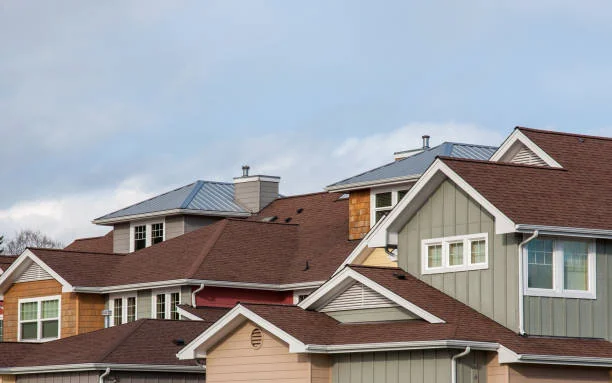
Damage to a roof can create stress for any household, yet solutions exist to address the problem effectively. A roof protects interiors, supports the structure, and maintains property value. Weak materials or age can reduce performance and create costly issues. Proper evaluation helps determine the right time for action. This article explains how to decide when replacing roofs becomes important.
Signs Roof Age Requires Attention
Replacing residential roofs becomes necessary when age reduces durability. Roofs with decades of exposure lose strength and show visible wear. Shingles may curl, crack, or fall, leaving gaps that allow water entry. A roof that has reached its expected lifespan demands inspection. Residents notice these signs during seasonal changes. Therefore, it becomes important to contact an expert roofing service provider for roof replacement.
Indicators That Show Roof Damage
Several indicators highlight when a roof requires replacement. These indicators provide clear evidence of roof decline. Homes frequently display such issues after storms or heavy rainfall. Regular checks prevent further deterioration and maintain property safety. These points help identify problems before they escalate and cause major damage to the home:
- Shingles with cracks or missing sections
- Granules are collecting in gutters or near downspouts
- Interior stains on ceilings or walls
- Sagging rooflines are visible from the ground
- Daylight visible through attic boards
Factors That Influence Roof Replacement
Certain factors influence the decision to replace a roof. Properties face unique weather conditions that accelerate wear. Evaluating these factors ensures roofs remain strong and functional for years. These points guide homeowners toward timely action:
- Age of materials compared to expected lifespan
- Frequency of repairs required over recent years
- Energy efficiency declines due to poor insulation
- Visible structural weakness in decking or framing
- Local climate impact on durability
Importance of Professional Inspection
Inspection by professionals provides clarity on the roof condition. Experts assess shingles, flashing, and structural elements. They identify hidden issues that may not appear during casual checks. A thorough evaluation ensures accurate decisions about replacement. Households benefit from scheduling inspections after major weather events. Two inspections per year help maintain roof integrity and prevent costly surprises.
Timing Roof Replacement Decisions
Roof replacement requires careful timing to maximize value. Acting too late may increase repair costs, while acting too early wastes resources. Inspection results guide the right moment for replacement. Seasonal weather patterns influence the best time for roof work. Proper scheduling ensures efficiency and long-term durability. Roof replacement decisions should align with professional recommendations and visible evidence.
Benefits of Timely Roof Replacement
Timely replacement enhances property value and strengthens protection. A new roof improves energy efficiency and reduces utility costs. It also enhances curb appeal, which benefits resale opportunities. Neighborhoods show noticeable improvement when roofs remain updated. Replacement ensures safety, durability, and long-term satisfaction. Roofs that receive timely attention continue to serve households effectively.
Roof replacement decisions require careful evaluation of age, damage, and inspection results. Replacing residential roofs at the right time ensures durability, efficiency, and property value. Homes benefit from proactive attention to roof condition. A strong roof supports safety and comfort while reducing long-term expenses. The best insight is to schedule inspections regularly and act promptly when evidence shows replacement is necessary.