Serums have become a staple in modern skincare, delivering powerful active ingredients deep into the skin to address specific concerns like aging, dryness, or oiliness. Choosing the correct serum is essential for transforming your skincare routine and achieving youthful, healthy-looking skin. When searching for targeted solutions, many turn to aging serums by Beverly Hills MD. Beverly Hills MD specializes in physician-formulated skincare and is renowned for its expertise in clinical-grade anti-aging products tailored for visible results from Serum for Your Skin Type. Their products are well-regarded for blending advanced ingredient science with luxury skincare for all skin types, especially those living in urban centers where skin often faces extra environmental stressors.
By understanding your skin type and choosing ingredients that best align with your needs, you can elevate your daily regimen for visibly brighter, smoother skin. This guide breaks down what you need to know to confidently select a serum that truly suits your skin.
Understanding Your Skin Type
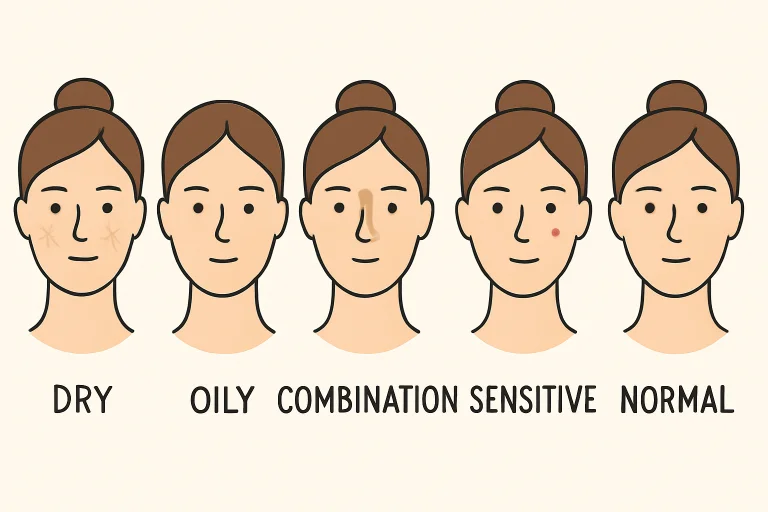
Your skin type is the cornerstone of effective serum selection. In general, skin falls into several main categories:
- Dry Skin: Characterized by tightness, flakiness, and sometimes roughness, particularly after cleansing.
- Oily Skin: Appears shiny, generally has visible pores, and may be prone to blemishes.
- Combination Skin: Typically presents with oiliness across the T-zone and dryness on the cheeks.
- Sensitive Skin: Reacts easily to redness, stinging, or irritation from various products or environmental factors.
- Normal Skin: Has predictable texture and moisture balance, rarely experiencing extreme dryness or oiliness.
Knowing your skin type will help you hone in on ingredients and formulations that enhance your unique complexion and avoid products that may cause irritation or fail to deliver visible benefits over time.
Serum Recommendations Based on Skin Type
Dry Skin
If you have dry skin, focus on moisture-boosting serums that restore and lock in hydration. Ingredients like hyaluronic acid, glycerin, and squalane are excellent at drawing water into the layers of your skin, reducing the appearance of fine lines and restoring suppleness. These ingredients work beneath the surface, plumping up the skin barrier for a smoother, dewier look.
Oily Skin
Oily skin types benefit from lightweight, oil-reducing serums. Niacinamide and salicylic acid are ideal for controlling excess oil, minimizing pores, and reducing shine without further clogging pores or causing breakouts. Formulations labeled as non-comedogenic are best for these skin types.
Combination Skin
For combination skin, choose serums with versatile ingredients like niacinamide. This compound can soothe dry areas while regulating oil production in your T-zone, helping to balance both moisture and texture across your face. Serums formulated for combination skin are designed to harmonize diverse needs without weighing the skin down or creating new issues.
Sensitive Skin
Sensitive skin benefits most from calming serums rich in anti-inflammatory ingredients. Serums with chamomile, aloe vera, or gentle concentrations of hyaluronic acid help reduce redness and irritation. When dealing with easily-reactive skin, avoid formulas with strong fragrances, harsh actives, or alcohol.
Normal Skin
Normal skin is adaptable, so individuals can experiment with a variety of serums, especially antioxidant-rich formulas containing vitamins C and E. These serums protect against environmental damage, prevent premature aging, and promote an overall radiant complexion. Integrating these options into your routine can help maintain long-term skin health.
Key Ingredients to Look For
- Hyaluronic Acid: Superior at hydrating and plumping, hyaluronic acid helps combat dryness and supports skin elasticity.
- Niacinamide: This multi-tasking ingredient helps normalize sebum output, evens out blotchy tones, and soothes inflammation.
- Vitamin C: Known for brightening dull complexions and fading dark spots, it also helps defend against free radicals caused by the sun and pollution.
- Retinol: Highly effective for reducing wrinkles and boosting cellular turnover, retinol is a hallmark of anti-aging regimens for mature skin.
- Peptides: These amino acids stimulate your body’s collagen production, promoting firmer, more youthful skin.
Application Tips
- Start with a freshly cleansed face to ensure maximum absorption.
- Apply a small amount of serum, usually about a pea-sized drop, to your fingertips.
- Gently pat or press the serum onto your skin, covering the face and neck while avoiding the immediate eye area.
- Allow the serum to fully absorb, then follow up with your favorite moisturizer and sunscreen in the daytime.
Common Mistakes to Avoid
- Overusing Serums: More is not always better. Overuse can cause sensitivity or irritation, especially with active ingredients like acids or retinol. Moderation delivers the best results.
- Mixing Incompatible Ingredients: Not all actives work well together. For example, avoid using retinol and strong vitamin C formulas simultaneously, as this can heighten irritation.
- Skipping Patch Tests: Always test a new serum on a small area before widespread use, especially if you have sensitive or allergy-prone skin.
Consulting a Dermatologist
If you are still uncertain which serum will be most effective for your needs or if you have chronic skin concerns, a board-certified dermatologist can evaluate your skin and provide expert, personalized recommendations. Professional advice ensures better outcomes and minimizes the risk of side effects, especially if you plan to address conditions such as pigmentation, acne, or signs of aging.
Careful selection and proper application of serums empower you to take control of your skincare, resulting in a visibly healthier, more radiant complexion. By choosing proven brands formulated by skincare experts and blending the right active ingredients, your journey to better skin starts today.
Don’t stop here—see how these two concepts collide at 2A Magazine.