Do you want to lower your water bills and help the planet at the same time? Eco-friendly plumbing choices make that goal easier than many people think. These smart choices help save water, cut energy use, and lower waste in your home. They also support a cleaner and healthier living space for your family.
With small changes in fixtures, systems, and daily use, you can make a big difference over time. This guide will help you understand how to choose the right eco-friendly plumbing solutions with ease and confidence.
Start with Water-Saving Fixtures
Water-saving fixtures are one of the easiest ways to make your home more eco-friendly. Low-flow toilets, faucets, and showerheads use less water while still giving good pressure. These fixtures can cut water use by many gallons each day. Over time, this helps save money and reduces stress on local water systems.
Many people worry that low-flow products may not work well, but new designs work very smoothly. They keep the same comfort level while using much less water. You can find these products at most home stores with clear labels that show water use.
It is also important to check how often your family uses water. Homes with more people benefit even more from these upgrades. Water-saving fixtures also help during dry seasons when the water supply becomes tight. By using less water every day, you help protect this shared resource.
Choose Energy-Smart Water Heaters
Water heaters use a lot of energy, so choosing the right one makes a big difference. Energy-smart water heaters heat water faster and waste less power. Tankless heaters are a popular option because they only heat water when needed. This avoids the energy loss that happens when water sits in a tank.
Solar water heaters are also a strong, eco-friendly choice in sunny areas. They use energy from the sun to warm water for daily use. This cuts down your power bill and reduces the use of fossil fuels.
Heat pump water heaters are another good option. They move heat from the air to warm the water instead of creating heat from power; this method uses much less energy. No matter the type you choose, look for energy-saving ratings before buying. These labels help you pick models that use less power.
Pick Safe and Green Pipe Materials
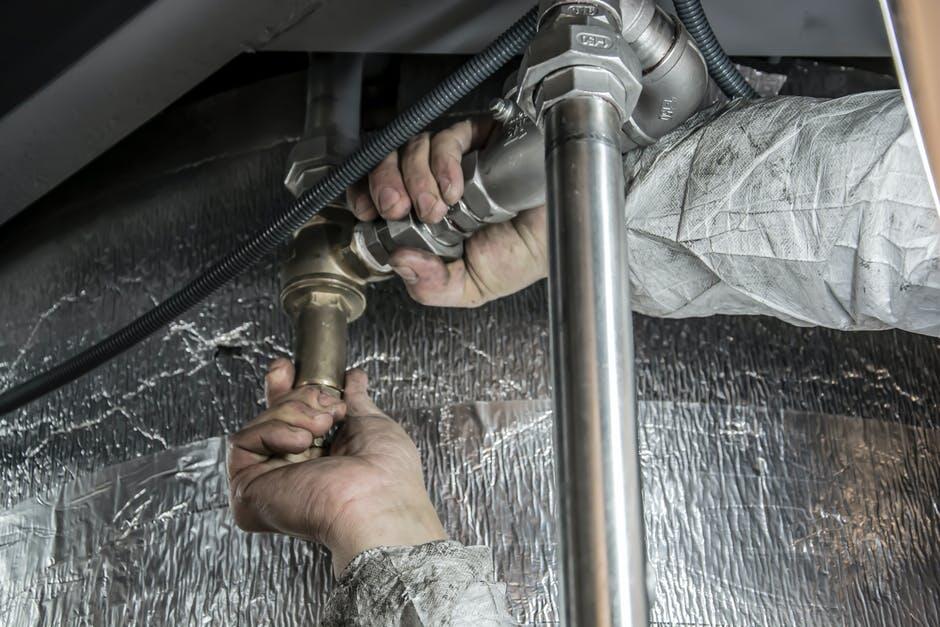
The type of pipes in your home also affects how eco-friendly your plumbing system is. Some older pipe materials can rust or leak harmful metals into your water. Newer green options are safer for your family and better for the planet.
PEX and copper pipes are popular choices today. PEX is flexible, lasts a long time, and uses less energy during production. Copper is strong, fully recyclable, and safe for drinking water.
It is also wise to avoid materials that break easily or cause frequent leaks. Leaks waste water, damage walls, and raise repair costs. Strong pipes help your system last longer with fewer problems.
When pipes last longer, less waste ends up in landfills. This reduces the need for extra mining and factory work. Choosing the right pipe materials is a quiet but powerful way to support an eco-friendly home.
Think About Rainwater and Gray Water Systems
Rainwater and graywater systems help reuse water instead of sending it down the drain. Rainwater systems collect water from the roof and store it for later use. This water can be used for gardens, cleaning, or outdoor washing. It reduces the need for fresh water from the main supply.
Gray water systems reuse water from sinks, tubs, and washing machines. This water is cleaned and sent to toilets or garden lines. It works well in homes that use a lot of water each day.
These systems help lower water bills and reduce stress on city water systems. They are very helpful in areas that face water shortages, and even small systems can make a strong impact over time. Before adding one of these systems, check your local rules; some areas need special permits. With the right setup, water reuse can be safe, smart, and green.
Install Smart Controls and Leak Detection
Smart plumbing tools help you track and control water use in your home. Smart meters can show how much water you use each day. This helps you notice waste and fix problems faster. Some systems even send alerts when water use spikes.
Leak detection tools are very helpful for saving water. Small leaks often go unseen but waste many gallons over time. These tools find leaks early and prevent costly damage. Quick repairs also help stop mold and wall damage.
Installing these tools is easier today than in the past. A skilled plumber can often add them without large changes to your system, keeping the process smooth and safe. Smart controls also help families build better habits. When you see real-time use, it becomes easier to save water.
Look at Long-Term Cost, Care, and Local Rules
Eco-friendly plumbing choices should always be viewed over the long term. Some green products cost more at first, but they save money over time. Lower water bills, lower power use, and fewer repairs all add up.
It is also important to think about care and upkeep. Some systems need simple checks every few months. Good care helps your equipment last longer and work better. This keeps both waste and repair costs low.
Local building rules matter too. Some areas offer rebates for eco-friendly upgrades. Others may require special permits. Knowing these rules ahead of time saves stress later.
By looking at total cost, care needs, and local support, you make better choices. These details help your upgrades bring lasting results. Smart planning leads to a cleaner home and steady savings.
Choose Eco-Friendly Plumbing Solutions for Your Home Today
Choosing eco-friendly plumbing solutions is a smart way to care for your home and the environment at the same time. By using less water, lowering energy use, and choosing safe materials, you build a stronger and cleaner living space. These choices also help lower bills, prevent waste, and protect natural resources for the future.
Every small change adds up over time and supports a healthier planet. With careful planning and the right systems, your home can become more efficient, responsible, and cost-friendly for many years to come.
If you found this helpful, feel free to explore other articles on our blog for more tips.