Introduction to the Lifelong Learning Plan
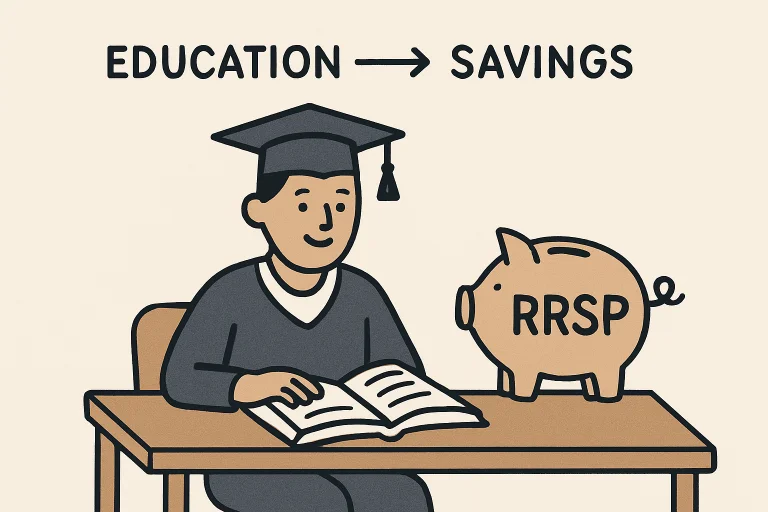
As workplaces increasingly demand adaptability and evolving skill sets, Canadians are seeking ways to fund ongoing education without derailing their financial stability. The Lifelong Learning Plan (LLP) is an innovative initiative that enables individuals to draw on their Registered Retirement Savings Plans (RRSPs) for full-time education or training, making it easier to focus on learning rather than financial strain. You can get an in-depth look at RRSP Lifelong Learning Plan rules to understand eligibility, withdrawal procedures, and repayment timelines that protect your long-term financial health.
By using the LLP, students and professionals can enhance expertise and job prospects without incurring immediate taxes on withdrawn amounts. The LLP bridges the gap between career ambitions and financial realities, helping Canadians access education during career transitions, skill upgrades, or the pursuit of a new profession.
The program not only supports individual and spousal advancement but also addresses the changing dynamics of the job market by rewarding those committed to personal growth and upskilling. As many Canadians explore postsecondary options or mid-career retraining through this program, it becomes crucial to evaluate its rules, its impact on future finances, and its potential to deliver long-term value.
Eligibility Criteria for the LLP
Canadians must satisfy specific criteria to enroll in the Lifelong Learning Plan. First, participants need to be Canadian residents with an active RRSP. Enrollment in a recognized full-time educational or training program is also required. The LLP is open to withdrawals for personal education as well as for a spouse or common-law partner, but does not cover children’s educational expenses.
A qualifying program must last at least three consecutive months and require at least 10 hours per week of coursework. Full-time employees seeking to attend part-time must meet additional criteria, so it’s important to review your program’s details carefully.
Withdrawal Limits and Repayment Terms
The maximum withdrawal allowed under the LLP is $10,000 per calendar year, with a total limit of $20,000 over four years. Crucially, you do not incur immediate tax penalties when withdrawing funds, provided you comply with the LLP’s parameters.
Starting the fifth year after your first LLP withdrawal, you must begin repaying at least one-tenth of the withdrawn amount each year, and full repayment must happen within ten years. If you don’t meet these repayment requirements, the unpaid portion is included as taxable income for that year, negating the tax-deferral benefit.
Benefits of Utilizing the LLP
Using the LLP for educational costs offers several unique advantages, making it a standout tool in education financing.
- Financial Flexibility: Withdraw RRSP funds without immediate tax consequences, offering a smooth educational investment experience.
- Career Advancement: Acquiring new credentials or skills can pave the way for promotions, higher pay, and entry into growing industries.
- Personal Growth: Lifelong learning fosters adaptability, creativity, and satisfaction, traits crucial for today’s ever-shifting world.
These benefits can translate into long-term earnings potential and satisfaction, especially for those committed to reinvesting in their skills as the workforce continues to evolve.
Considerations Before Using the LLP
Accessing RRSP funds through the LLP is not without trade-offs. Before withdrawing, reflect on:
- Retirement Security: RRSP withdrawals decrease long-term retirement savings. Factor in whether a temporary reduction in retirement funds could impact your future financial comfort.
- Repayment Commitment: Missing repayments leads to tax liabilities. A careful review of your household budget can ensure consistent repayments over the next decade.
- Education Value: Carefully assess if the intended program aligns with both career goals and earning potential, justifying the investment of your retirement savings.
Alternative Funding Options
While the LLP offers unique opportunities, prudent planning involves considering additional or supplemental resources:
- Scholarships and Grants: These provide financial support without repayment, based on merit or financial need.
- Student Loans: Federal and provincial loans are designed specifically for postsecondary education and can work alongside LLP withdrawals.
- Employer Tuition Programs: Some organizations provide tuition reimbursement or assistance to encourage employee advancement. Inquiring with your HR department can reveal hidden opportunities.
Comparing these alternatives ensures a tailored approach, reducing overall debt or risk while balancing education and future financial security.
Final Thoughts
The Lifelong Learning Plan offers a strategic option for Canadians who wish to enhance their professional and personal development without immediate tax consequences. However, success with the LLP hinges on careful evaluation of its rules, long-term impact on retirement funds, and committed adherence to repayment.
By understanding how the LLP works and comparing it to other education funding sources, you can make informed decisions that further your educational objectives while protecting your financial future.
Related insights ahead—discover angles you may have missed at 2A Magazine.