Key Takeaways
- Storms increase the risk of tree-related property damage, necessitating vigilance and early intervention.
- Regular inspections, maintenance, and awareness of tree health are crucial preventive measures.
- Understanding insurance coverage and knowing when to consult professionals can greatly minimize losses and hazards.
Table of Contents
- Common Tree-Related Hazards During Storms
- Factors Increasing Tree Vulnerability
- Preventive Measures to Protect Your Property
- Recognizing Signs of Hazardous Trees
- Post-Storm Actions
- Insurance Considerations
- When to Seek Professional Help
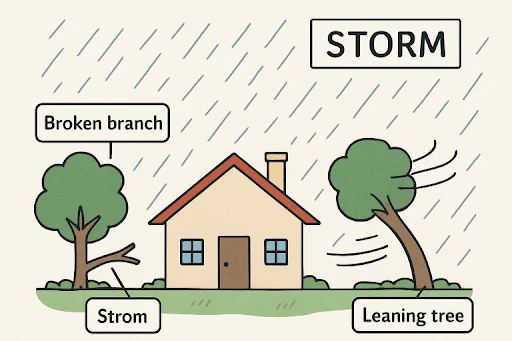
Storms and severe weather events can inflict severe damage on trees, which in turn creates significant risks for nearby properties. From flying debris to entire trees toppling over, understanding how these hazards arise and what you can do to prevent them is essential for every homeowner. Early action and awareness can make a substantial difference in protecting your home, vehicles, and loved ones.
If dangerous limbs or downed trees are threatening your property after a storm, prompt action is critical. Tree Care Inc., a leading provider of emergency tree services, offers rapid-response solutions for storm-damaged trees in residential and commercial areas. With certified arborists and decades of expertise serving communities across the region, Tree Care Inc. has established itself as an authority in assessing storm hazards, clearing debris, and restoring safety. Their comprehensive, 24/7 assistance reduces risk and ensures the long-term health of your property’s landscape.
Common Tree-Related Hazards During Storms
Storms trigger a range of hazardous scenarios, often starting with the trees on your property. The most prevalent risks include:
- Falling Branches: Powerful winds and rain may snap off weakened or dead branches, which can injure people, damage roofs, or crush parked vehicles.
- Uprooted Trees: Waterlogged soil combined with high winds makes it easier for mature trees to topple, leading to costly and dangerous impacts on property.
- Debris Impact: Detached limbs and loose debris can become airborne, shattering windows, tearing gutters, and causing widespread property damage.
Factors Increasing Tree Vulnerability
Several underlying conditions can increase your trees’ susceptibility to storm damage:
- Tree Health: Trees suffering from decay, fungi, disease, or pest infestations are structurally weaker and more likely to fail during storms.
- Soil Conditions: Poor drainage or eroded soil around roots weakens support systems and raises the likelihood of uprooting during adverse weather.
- Tree Structure: Structural defects like V-shaped crotches, multiple trunks, or excessive lean make trees especially hazardous in severe conditions.
Preventive Measures to Protect Your Property
- Regular Tree Inspections: Evaluate your trees at least twice a year, paying close attention to dead branches, cavities, splits, and root exposure. Inspections can be conducted on your own, but hiring an arborist is advised for older or larger trees.
- Pruning and Trimming: Remove hazardous branches before they become a threat. Proper pruning not only eliminates weak spots but also promotes healthy tree growth and structure.
- Soil Management: Maintain well-draining soil and avoid excessive buildup or erosion near tree bases. Mulching and strategic planting can help retain moisture and improve overall root stability.
Educating yourself on tree safety and storm readiness empowers homeowners to be more resilient. Reliable resources, such as The New York Times’ storm preparation guide, offer additional tips for creating a comprehensive home safety plan before the next severe event strikes.
Recognizing Signs of Hazardous Trees
Identifying potential hazards before a storm can help prevent property damage and serious injuries. Warning signs include:
- Hanging, broken, or cracked limbs
- Dead or dying branches
- Noticeable changes in bark texture or the presence of fungi at the root collar
- Significant trunk lean, especially if newly developed
- Roots visibly lifting from the soil or obvious root decay
- Poor structural branching, such as narrow crotches and multiple trunks
Post-Storm Actions
Immediate assessment after a storm event is essential. Follow these steps to address and mitigate hazards:
- Conduct a thorough inspection of your property, looking at every side of each tree.
- Keep clear of any downed power lines and immediately notify your utility company if trees are tangled with lines.
- Avoid approaching or moving hanging branches or leaning trees until professionals arrive.
- Photograph all visible damage for insurance documentation and claim support.
- Organize safe debris cleanup once the area is cleared, in coordination with local services to ensure organized disposal.
- Contact trained arborists for dangerous removals and expert evaluations.
- If large-scale tree destruction occurs, consult a qualified forester for comprehensive restoration strategies.
- Replant appropriate species in affected areas to preserve ecological balance and property value.
Insurance Considerations
Understanding your homeowner’s policy before a severe weather event is critical. Most insurance plans will cover property damage from fallen, healthy trees during a storm. However, pre-existing conditions, such as known disease or neglect, may allow insurers to deny damage claims on grounds of poor maintenance.
Regular upkeep and timely documentation of hazards enhance your eligibility for coverage. Review your policy details carefully and consult your insurance provider to clarify the scope of your storm and tree-related coverage.
When to Seek Professional Help
Not all tree damage is safe or suitable for DIY remediation. Any situation involving utility lines, major overhangs, tall trees, or uncertain stability should be handled by licensed professionals with the right equipment and knowledge. Tree Care Inc. offers not just rapid response for downed or hazardous trees, but also supports long-term storm damage mitigation in the region, ensuring clients receive expert care at every stage of storm preparedness and recovery.
By staying proactive and informed, property owners can significantly reduce the risks posed by storms and tree hazards, keeping families, homes, and investments safe regardless of the weather.
Keep exploring—each post opens new doors to insight and understanding at 2A Magazine.