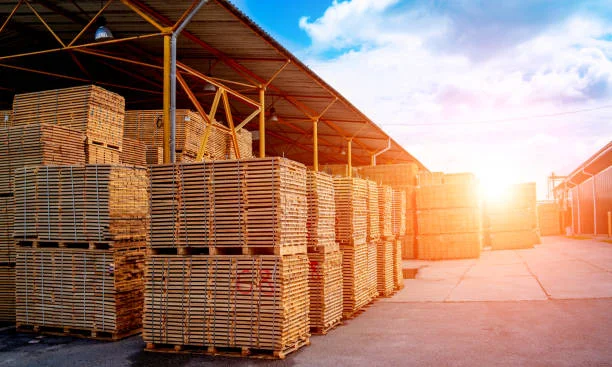
The Foundation of Everyday Operations
Walk through any warehouse or transport yard in Melbourne and you’ll see pallets under almost everything that moves. They don’t get much attention, but they play a direct role in how goods are stored, lifted, stacked and delivered Reliable timber pallets. When pallets perform well, operations run smoothly. When they fail, problems move quickly through the entire workflow.
Businesses searching for pallets for sale often focus on price first. Over time, many find that poor-quality pallets cost more through delays, damage and handling issues. Solid timber pallets help keep storage and transport running as they should.
Why Pallet Quality Sets the Tone Inside the Warehouse
Every warehouse follows a routine. Goods arrive, get stored, picked, moved, and shipped. Pallets sit at the base of each step.When that base isn’t stable, the whole process slows.
Lower-quality pallets create small problems that repeat throughout the day. Forklifts hesitate, loads need re-stacking, and space goes unused because stacking does not feel safe. It is not one major failure, but a constant level of friction that adds up over time.
Reliable timber pallets remove that friction. When pallets perform consistently, staff work with confidence and speed. Movements become smoother, and time on task improves without pushing anyone harder.
How Stacking Stability Improves Space and Safety
Stacking is where pallet quality becomes most obvious. In Melbourne warehouses, heavy or bulky goods like timber, tiles, machinery parts and food pallets depend on pallets that hold their shape under load. When the base is solid, stacks stay safe and space is used properly.
The Impact of Poor Stacking
Unstable pallets lead to:
- Leaning stacks
- Reduced stacking height
- Wider spacing between loads
- Increased risk of collapse
When stacking height drops, floor space fills up quickly. Warehouses feel crowded even when ceiling height is available.
Unlock the next insight—this related post keeps your curiosity alive.
The Advantage of Strong Timber Pallets
Well built timber pallets distribute weight evenly across bearers and boards. This allows loads to sit flat and remain stable over time. Strong pallets support:
- Higher stacking where safe
- Better racking use
- More efficient floor layouts
Space efficiency improves without changing the building footprint.
Forklift Handling Shows Pallet Quality Instantly
Forklift operators notice pallet quality within minutes. Smooth handling depends on how well forks enter, lift, and move the load.
Problems Caused by Weak Pallets
Poor pallets often cause:
- Forks catching on deck boards
- Uneven lifting
- Load tilt during turns
- Extra corrections by operators
To stay safe, operators slow down. Productivity drops through no fault of the staff.
How Reliable Pallets Improve Handling
Good timber pallets allow forks to slide in cleanly and lift evenly, keeping loads balanced as they move. Over a full shift, this reduces operator fatigue, improves handling speed, and lowers wear on equipment.
The result is fewer hold-ups and more work getting done.
Consistent Pallets Support Better Warehouse Layouts
Warehouse layouts are often shaped by risk. When pallet sizes and quality vary, layouts become more conservative. Aisles get wider, stack heights come down, and racking tolerances increase.
This is not poor planning. It is risk control.
How Pallet Consistency Changes Layout Decisions
When pallets are consistent and reliable, planners gain confidence. Layouts can be tighter without sacrificing safety. Benefits include:
- Narrower aisles
- Standardised load footprints
- Cleaner pick paths
- Better use of vertical space
Many Melbourne facilities recover usable space simply by standardising pallet quality.
Transport Efficiency Starts at Ground Level
Transport problems are often blamed on scheduling or traffic. In reality, pallet performance plays a major role.
Issues That Begin With Poor Pallets
Weak pallets can cause:
- Load shifting during transit
- Extra strapping requirements
- Slower loading and unloading
- Increased damage claims
Each issue adds time and cost at every transfer point.
How Reliable Timber Pallets Improve Transport Flow
Strong pallets hold their shape under vibration and braking, which makes stacking in trailers safer and handling at docks quicker. Drivers and warehouse staff spend less time adjusting loads and more time moving them.
For businesses moving goods across Melbourne and beyond, that difference adds up over every run.
Durability Reduces Long Term Operating Costs
Cheap pallets often appear cost effective at first. Over time, frequent replacement changes the equation.
The Real Cost of Short Life Pallets
Short lived pallets create:
- Regular replacement cycles
- Increased inspections
- More disposal handling
- Inconsistent performance
These costs accumulate quietly but steadily.
Why Well Made Timber Pallets Deliver Value
Durable timber pallets last longer and perform consistently. Many can be repaired instead of replaced. Over multiple cycles, they reduce waste, labour, and downtime.
Durability is not just about strength. It is about reliability across daily use.
Melbourne Conditions Demand Dependable Pallets
Local operations face unique pressures. Mixed freight types, high forklift traffic, limited space, and fast turnaround times all expose weak pallets quickly.
Reliable timber pallets handle these conditions without constant adjustment. They bring stability to environments where unpredictability is already high.
That is why experienced operators look beyond price when sourcing pallets for sale. They choose pallets that suit real workloads.
Choosing Pallets Based on Workflow Understanding
Supplying pallets is not just about volume. It is about understanding how pallets are used.
Operations focused suppliers consider:
- Load weight and shape
- Storage method
- Handling frequency
- Transport distance
- Repair and reuse needs
This practical understanding is what separates basic pallet supply from long term operational support.
Takeaway
Reliable pallets hardly ever get noticed, and that is their strength.
When pallets do their job, staff move faster without rushing, equipment lasts longer, space is used efficiently, and transport keeps running.
Efficiency comes from removing small problems at the base of operations.
Strong timber pallets keep storage and transport systems working day after day.
Step beyond the page—explore more stories that spark curiosity at 2A Magazine.