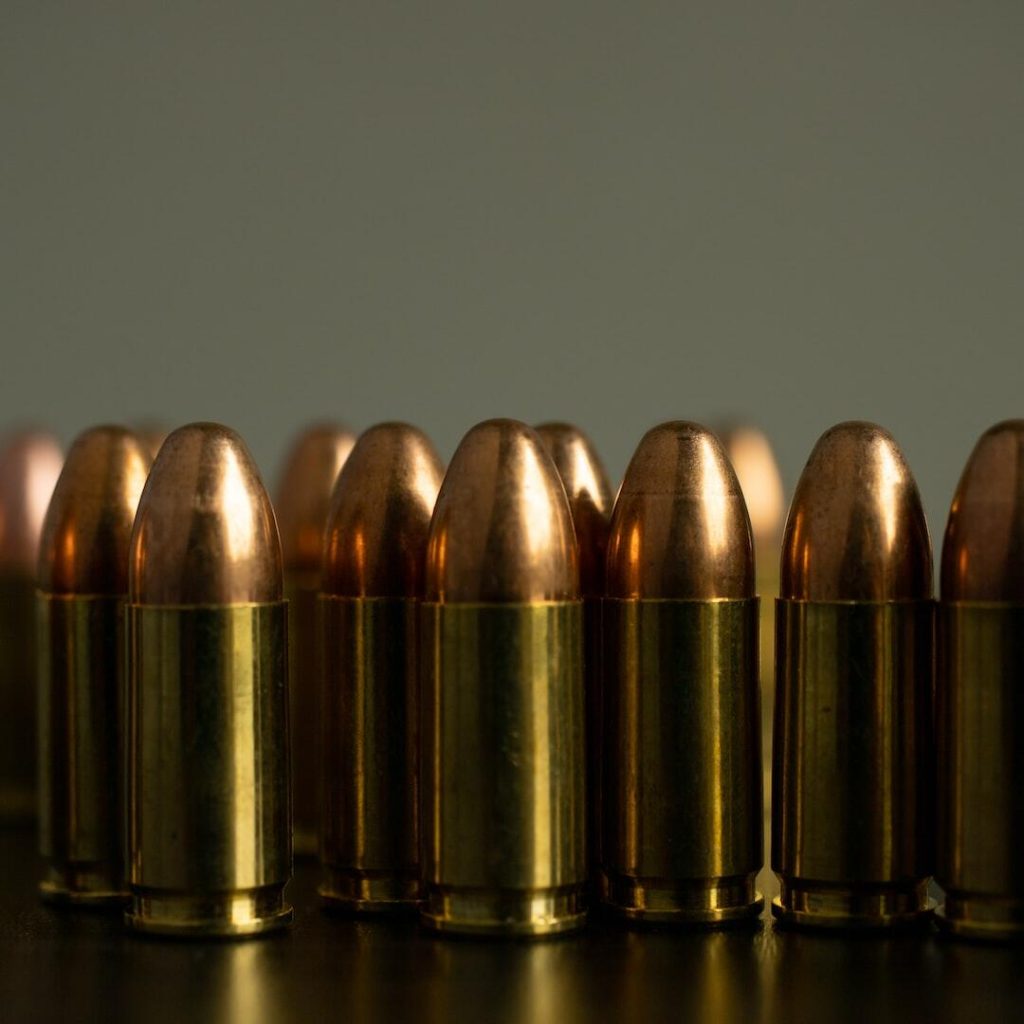
Do you want better accuracy when you shoot and better results when you reload? Many shooters focus on bullets, powder, and primers. But they often forget one very important part of the process.
That part is the brass casing. Quality rifle brass can make a big difference in performance. It helps improve consistency, pressure control, and shot placement.
Keep reading to learn helpful tips that can improve your reloading process and shooting accuracy. Take the time to upgrade your components and see the difference for yourself.
Consistent Brass Means Consistent Shots
Consistency is one of the most important parts of accurate shooting. When brass is made with tight quality control, it has the same thickness, weight, and shape. This helps every round perform in a similar way.
If brass cases vary too much, pressure levels may change. This can affect bullet speed and accuracy. Even small differences can lead to larger shot groups at longer distances.
High-quality brass helps create uniform loads. Reloaders who care about precision usually check brass weight and case length. Starting with reliable brass makes the process easier.
Better Case Strength and Durability
Strong brass cases last longer during the reloading cycle. Quality brass is designed to handle pressure without cracking or wearing out quickly. This means you can reload the same cases many times.
Cheap brass often fails faster. The neck may split, or the primer pocket may loosen. This forces reloaders to throw away the case earlier than expected.
Durable brass saves money over time. It also keeps your loads safe and stable. A strong case gives reloaders more confidence in their ammunition.
Improved Case Neck Tension
Neck tension holds the bullet firmly in place. It helps maintain the right pressure when the cartridge fires. When neck tension is consistent, bullets leave the barrel in a predictable way.
High-quality brass usually has uniform neck thickness. This helps the bullet sit properly inside the case. Good neck tension improves accuracy and stability.
Reloaders often spend time adjusting dies and checking measurements. Using better brass reduces the need for constant corrections. It also creates smoother reloading sessions.
More Reliable Primer Pockets
The primer pocket is another critical part of the brass case. It must hold the primer tightly while still allowing proper ignition. Poor-quality brass may have loose or uneven primer pockets.
Loose primer pockets can cause misfires or inconsistent ignition. That can change the speed and pressure of the bullet when fired. Over time, this hurts accuracy.
Quality brass keeps the primer pocket firm and even. This leads to reliable ignition every time the trigger is pulled.
Better Case Preparation for Reloading
Good brass often arrives with smoother edges and more uniform dimensions. This means less trimming and fewer corrections during preparation. Reloaders can spend less time fixing problems and more time creating accurate rounds.
Many experienced shooters prefer using premium .308 reloading brass because it offers consistent dimensions and dependable performance. This makes the reloading process smoother and helps produce better shooting results.
Choose the Quality Rifle Brass
Quality rifle brass is often overlooked, but it plays a major role in shooting accuracy and reloading success.
Consistent dimensions, strong construction, and reliable primer pockets all help produce better ammunition. These factors allow shooters to build loads that perform the same way every time.
Did you enjoy reading this article? If so, then be sure to check out the rest of our blog for more!