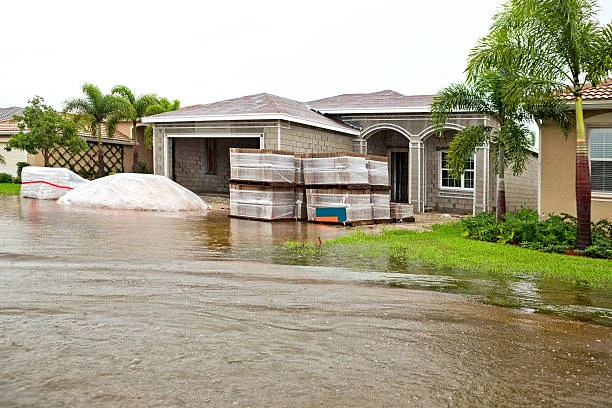
Floods can disrupt daily life and cause significant property damage. Every year, many communities risk these hazards. Though extensive repairs may be required, preventive planning can help mitigate the need for costly repairs or Flood-Related Repairs by reducing the need for them. When homes and businesses are prepared in advance, they protect their assets and save money. Learning effective strategies supports ongoing safety and security.
Assessing Flood Risks
The dangers they face from heavy rain or rising waters vary by area. Assessing local risk creates a basis for prevention. It helps communities track risk zones and the history of flooding. Understanding how to protect your home from flooding starts with prioritizing the actions and guides future decisions. Recognizing potential dangers enables more effective planning and resource allocation.
Improving Drainage Systems
To keep water flow to a minimum during heavy rain, make sure the garden has proper drainage. Gutters, drains, and downspouts are installed or maintained to prevent water from pooling. Inspections make certain that these systems are debris-free and operating correctly. Proper drainage minimizes the chances of water entering a basement or ground floor. Using quality materials is also a great way to create long-lasting protection.
Landscaping for Flood Prevention
Smart landscaping can maximize the runoff water away from buildings. Having soil sloped away from foundations also helps prevent pooling at walls. Certain vegetation types absorb the excess moisture and stabilize the grounds through planting. Besides the ease of controlling the maintenance and drainage of these walls for structural support, they also provide an additional layer of protection against surface runoff. Such programs encourage the natural flow of water and reduce the probability of flooding.
Elevating Essential Equipment
Raising critical systems off the ground limits their exposure to water. Leave electrical panels, heating units, and other utilities above flood waters or Flood-Related Repairs. Placing refrigerators and other valuables high up on shelves or platforms can also limit the likelihood of loss. Taking this straightforward step could save you a lot of money on repairs or replacements after a flood.
Waterproofing and Sealing
Waterproof coatings and sealants are highly effective for doors, windows, and basement walls. Regular inspection and maintenance of these barriers ensures they remain effective. Any cracks or gaps should be tended to before severe weather approaches. Good sealing is your first line of defence against unwanted water ingress.
Community Preparedness Initiatives
Resilience during emergencies can take place by cooperating with neighborhoods. Information sessions can be organized by local governments, as can the dissemination of best-practice materials. Drills and planning activities involving residents foster a collective sense of duty to ensure everyone’s safety. When everyone is encouraged to be ready, we have a culture of readiness and one in which everyone can help when times are tough Flood-Related Repairs.
Emergency Planning and Supplies
Preparation extends beyond property improvements. But a simple, clear emergency plan can easily tell everyone what to do when flooding occurs. Being prepared with water, batteries, first-aid supplies helps a lot when things get stressful. Keeping these kits up to date ensures they are ready when needed.
Insurance and Documentation
The right insurance coverage helps relieve post-flood financial pressure. Updating policies as the situation changes is reassuring. For example, placing important documents in a waterproof container protects them. Having digital backups adds another layer of security if physical copies are lost or destroyed.
Routine Maintenance Checks
All preventive measures are effective only with ongoing care. Gutters, drains, and structural elements should be checked regularly. Timely repairs ensure that small issues do not turn into major problems. With regular, loyal care, buildings remain structurally sound, and repairs cost comparatively less down the road.
Conclusion
When homes are better prepared for flooding, it results in less damage and devastation. Reducing risk before the event occurs means safer results and less disruption. These tips and community participation make it safe for everyone. Preventing flooding is much quicker, less stressful, and more cost-effective than repairing damage. Every adult act of today protects property and well-being for tomorrow.
Continue your exploration with this handpicked piece directly tied to your interest.