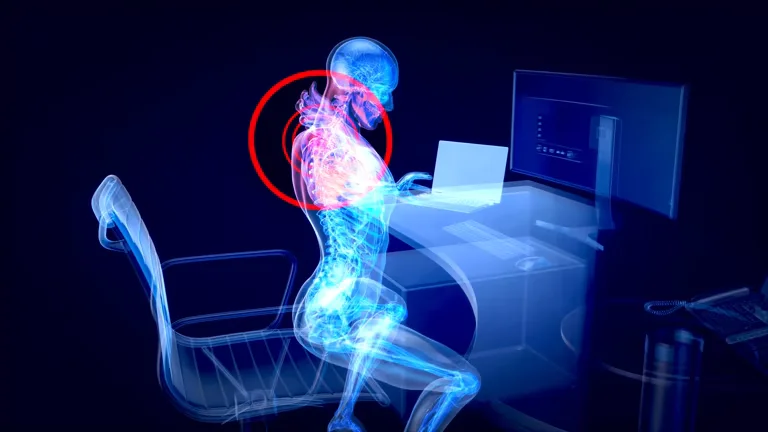
Accidents don’t always cause injuries in a workplace. Many workers develop or exacerbate chronic pain conditions because of poor ergonomics. Their symptoms can become so painful that they experience temporary debilitation or even permanent disability.
Regardless of where a worker performs their duties, they have the right to a safe and healthy work environment. Employers who fail to provide appropriate tools and training to reduce the risk of these types of injuries can be found negligent in fulfilling their legal obligations.
What Is Poor Workplace Ergonomics?
The human body functions best when it moves in natural ways without strain that can cause wear and tear. Ergonomics is the study and application of designs and processes based on these facts. Employers create unsafe environments when they refuse to consider natural movement and strain when designing work zones, purchasing and installing equipment and tools, or instructing workers to perform specific tasks.
It doesn’t matter if the work environment is an office, a warehouse or a construction site, employers must do everything possible to guarantee that they’re not causing their workers preventable harm. That said, many employers ignore ergonomics for reasons that usually boil down to upfront cost. They also expect workers to complete tasks with machine efficiency and speed. Yet, human body parts pushed to an unnatural pace wear out faster and are more difficult to repair or replace than equipment.
What Symptoms Can Workers Expect?
Symptoms from poor ergonomics often develop slowly over weeks, months or even years. Acute injuries can occur, but many workers don’t notice what’s happening to them until it’s too late. Their employer might even convince them that any noticeable signs aren’t cause for concern. For example, a team manager on a construction site might talk about how workers aren’t really working unless they can “feel” the “burn,” even when what they’re feeling is a warning that they’ve pushed themselves too far.
The most common basic warning signs of poor ergonomics are burning sensations, numbness, tingling, and diffuse, pinprick or sharp pain anywhere. Additional signs include aching or pressure in joints and increased fatigue or exhaustion. Symptoms of inflammation, such as heat, redness and swelling in the joints and skin, can also occur. More serious signs include cold sensations, clumsiness, cramps, and misalignment or range-of-motion problems.
A physician might diagnose a worker who has symptoms of poor ergonomics with a back, neck, shoulder or knee injury. They might state the worker has arthritis, bursitis, tendinitis, joint dysfunction, or any musculoskeletal disorder that involves one or more joints, muscles, nerves and tendons. For example, carpal tunnel syndrome is a musculoskeletal disorder that occurs when repetitive wrist and hand movements or sudden strain cause inflammation and compression of the median nerve within the carpal tunnel of one or more wrists.
What Are the Primary Causes of Strain?
The cause of an injury from poor ergonomics can be as simple as the position of a single tool. For example, a worker who uses a desk might experience eye, neck and back strain related to bad posture caused by a monitor positioned on a desktop instead of on a stand. Without a monitor directly in front of the computer user at a height directly across from their eyes, they’re more prone to bend their head downward to use the screen.
The height of a chair in relation to a desktop surface and nearby keyboard and mouse can also cause injuries if not installed in an optimal position customized to a unique worker’s body type and job tasks. A chair without lumbar support can cause lower back and shoulder pain. Even the lack of wrist support when using a mouse can cause injury.
Certain types of tasks that involve repetition or weight-related strain and stress cause a wide range of chronic pain issues, as seen with typing, reaching, sorting and lifting tasks. For example, a person who must sort objects throughout their work schedule, as seen in mailroom and warehouse sorting jobs, can experience inflammation and pain in any areas of their body, including their hands, wrists, elbows, arms, back, hips, legs, knees, ankles and feet. If they lift objects without tools that can reduce strain, they might experience whole-body pain and even permanently damage their spine.
Workers’ Compensation Claim or Lawsuit
Every employer is required by law to provide workers with training about ergonomics and available methods to prevent injury. They must guarantee that workers receive customized accommodations and tools. They must also offer regular rest, hydration and meal breaks.
If a worker believes their chronic pain resulted from employer negligence in these areas, they have the right to seek compensation via a workers’ compensation claim. They can also seek the advice and legal counsel of an experienced work injury lawyer to receive the compensation they deserve from an insurer or their employer. Compensation for damages can help cover the costs of medical treatments or income replacement during downtime or permanent job loss.